Bessel van der Kolk writes: “Treatments that focus solely on decreasing symptoms ignore the importance of integrating the traumatic experience in the overall arc of one’s life.”
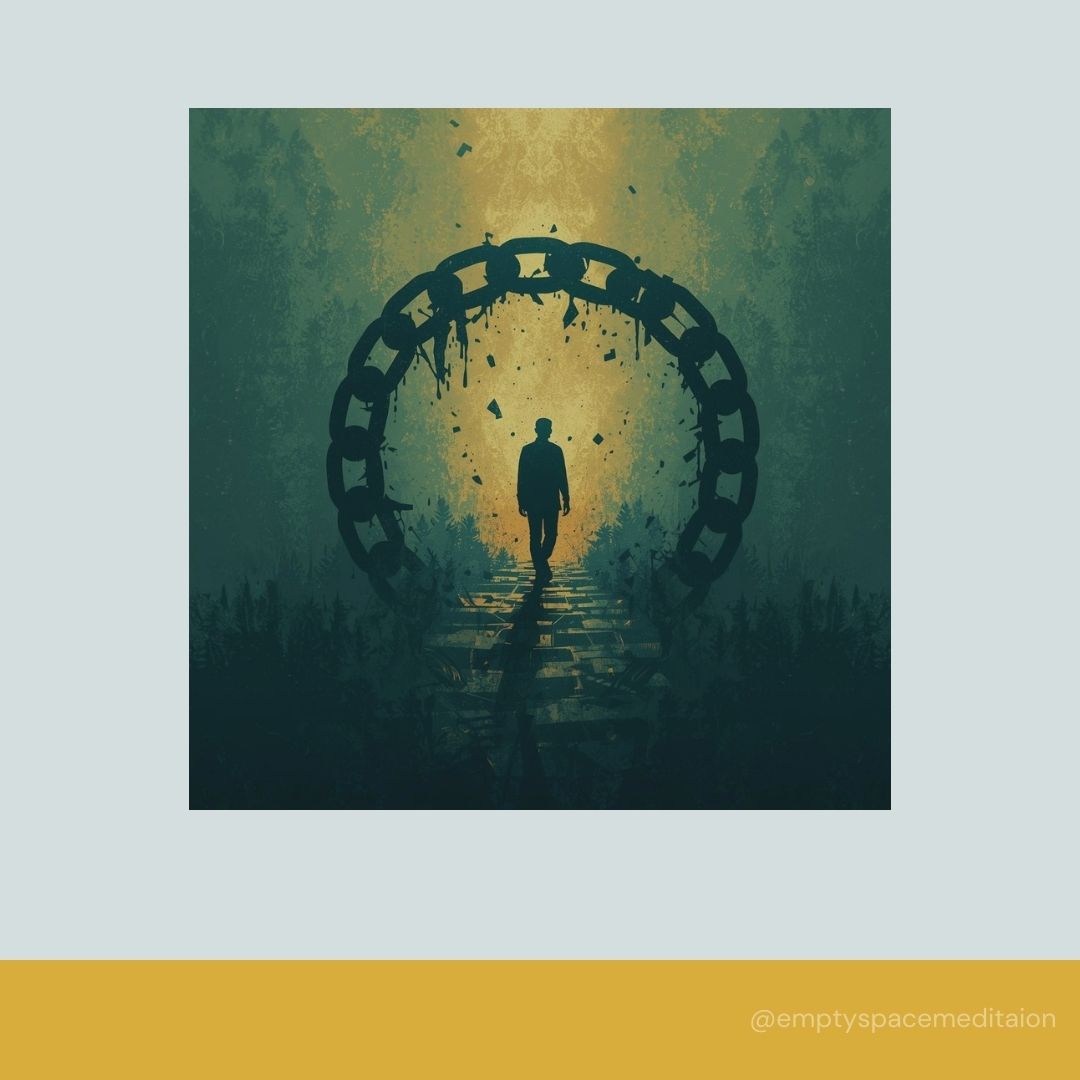
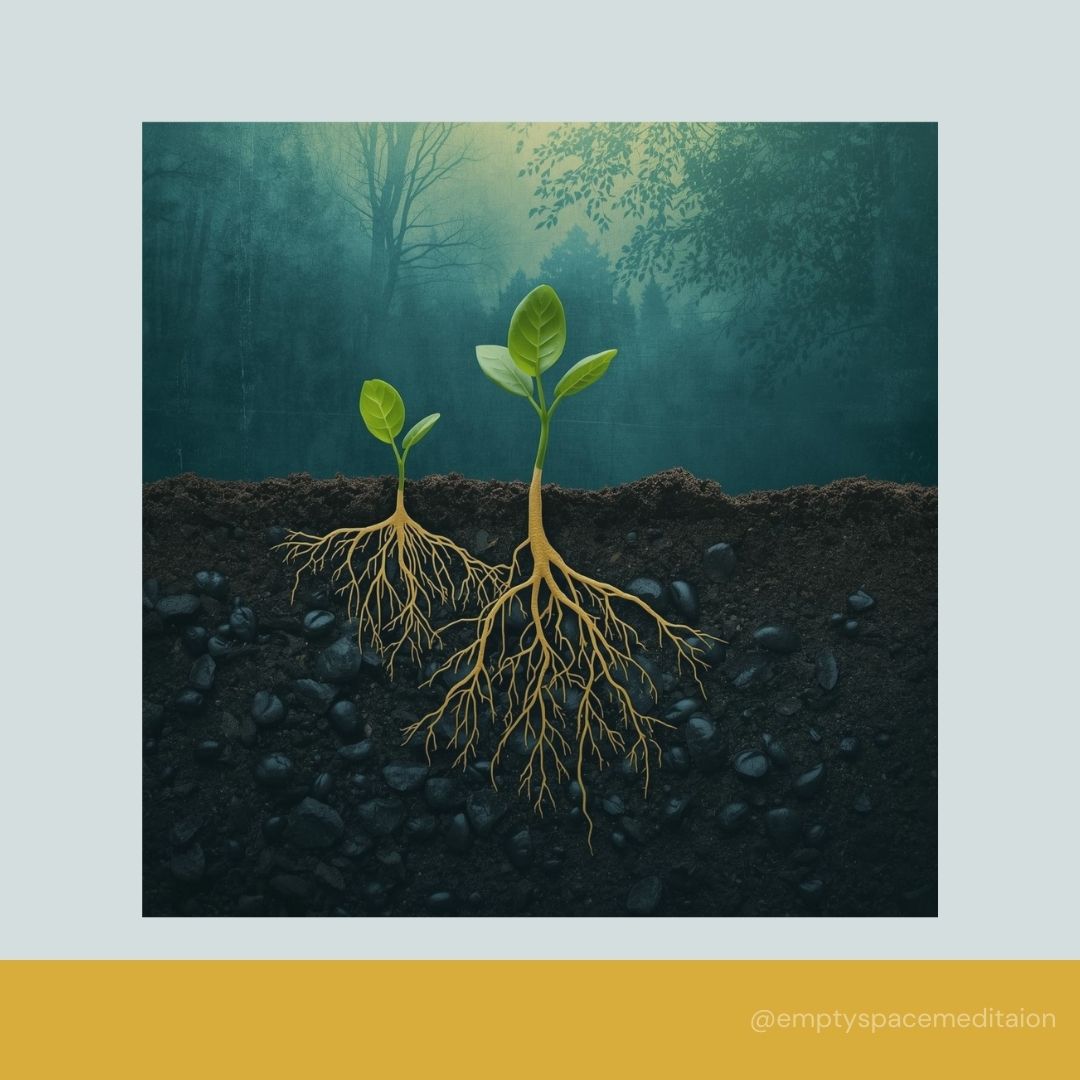
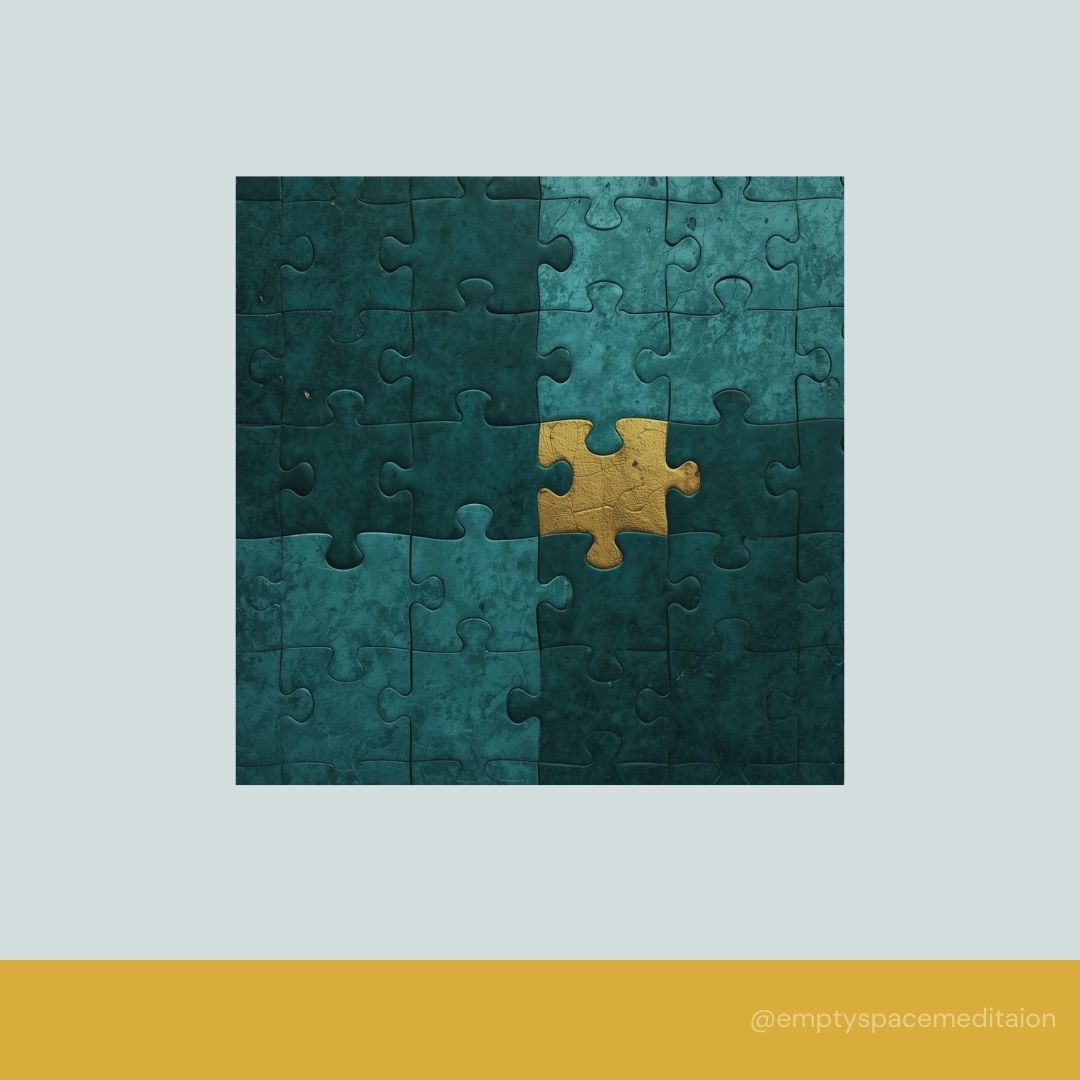
Integration is the work. Not erasing what happened. Not forgetting it. Not transcending it in some spiritual bypass that leaves it still running quietly underneath while you perform having moved on. Integration means making the traumatic experience part of your story — acknowledged, understood, given its proper meaning — without letting it be the whole story or the story’s conclusion.
Larry Yang, Spirit Rock teacher and author of Awakening Together, teaches something essential here: our deepest wounds can become sources of wisdom when they are worked with consciously rather than managed around. This is not a promise that suffering has a silver lining that makes it retroactively worthwhile. It is an observation that the specific knowledge that comes from having been through something — the earned understanding, the hard-won empathy, the capacity for compassion with others in similar circumstances — is only available from inside the experience, not from outside it.
Mark Epstein, in Going to Pieces Without Falling Apart, describes what meditation makes possible in the context of trauma: dissolution without destruction. You can let the carefully constructed defensive self come undone enough to actually examine what it’s been protecting, without being annihilated by that examination. The falling apart is often the beginning of something more genuine, not the end of something workable.
Tara Brach writes about the specific gesture that makes integration possible: bowing to the fact of your life’s sorrows. Not collapsing into them. Not dramatizing them. Bowing — acknowledging their weight, their reality, their permanent place in your history — and then, from that acknowledgment, discovering that the life you’re living is workable. The trauma doesn’t disappear. Your relationship to it changes.
Thich Nhat Hanh teaches: “The past is gone, the future is not yet here, and if we do not go back to ourselves in the present moment, we cannot be in touch with life.” Integration brings the past into the present not as a haunting but as context — held lightly enough to inform the present without dominating it.
This happened. It shaped me. It doesn’t control me. That sentence, lived rather than just said, is the whole project.