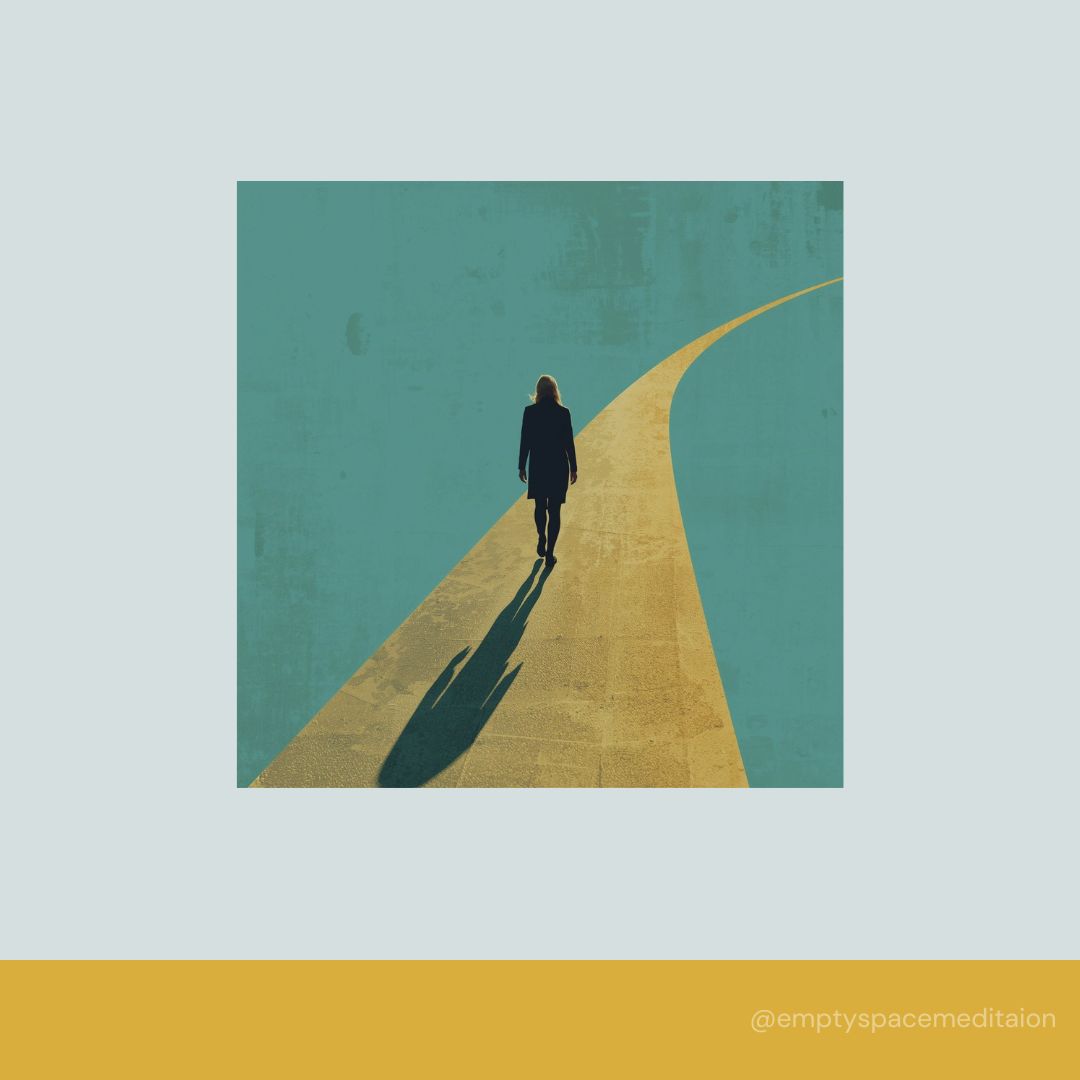
I am grieving the life I had in Los Angeles.
He took me out of LA twice when I was about to break through — thirty years between them. The first time I was young and the pull of family was strong and I didn’t have the language for what I was giving up. The second time I was sober in Portland for years, then living back in Los Angeles for two years — building something real, networking, finding momentum — when he got sick.
Two years. That’s all I got before caregiving pulled me out of the city where I was finally starting to build something that felt like the life I had been working toward.
Now he’s dead but the caregiving isn’t done. Judy lives with me in rural Washington. The LA dreams are still gone. The isolation continues.
Grief is layered. There is the grief for him — complicated, honest, still being processed. And there is the grief for the life I was building when everything stopped. For the career momentum I don’t know how to recover in a small town. For the community I had in Los Angeles that doesn’t exist here. For the version of myself I was becoming before the caregiving required me to become something else.
The Surgeon General’s loneliness advisory named something I know from the inside: rural isolation during caregiving is its own particular kind of alone. No community to lean on. No informal support network. Just the work, and the grief, and the distance from everything that was familiar.
Brené Brown writes that owning our story — the full story, including the losses and the resentments and the things that didn’t work out — is harder than living outside it. Owning this one means acknowledging: I gave something up, I’m grieving it, and the grief is legitimate even though I made the choice.
The sacrifice was real. The grief for it is real. Both things can be true at the same time.