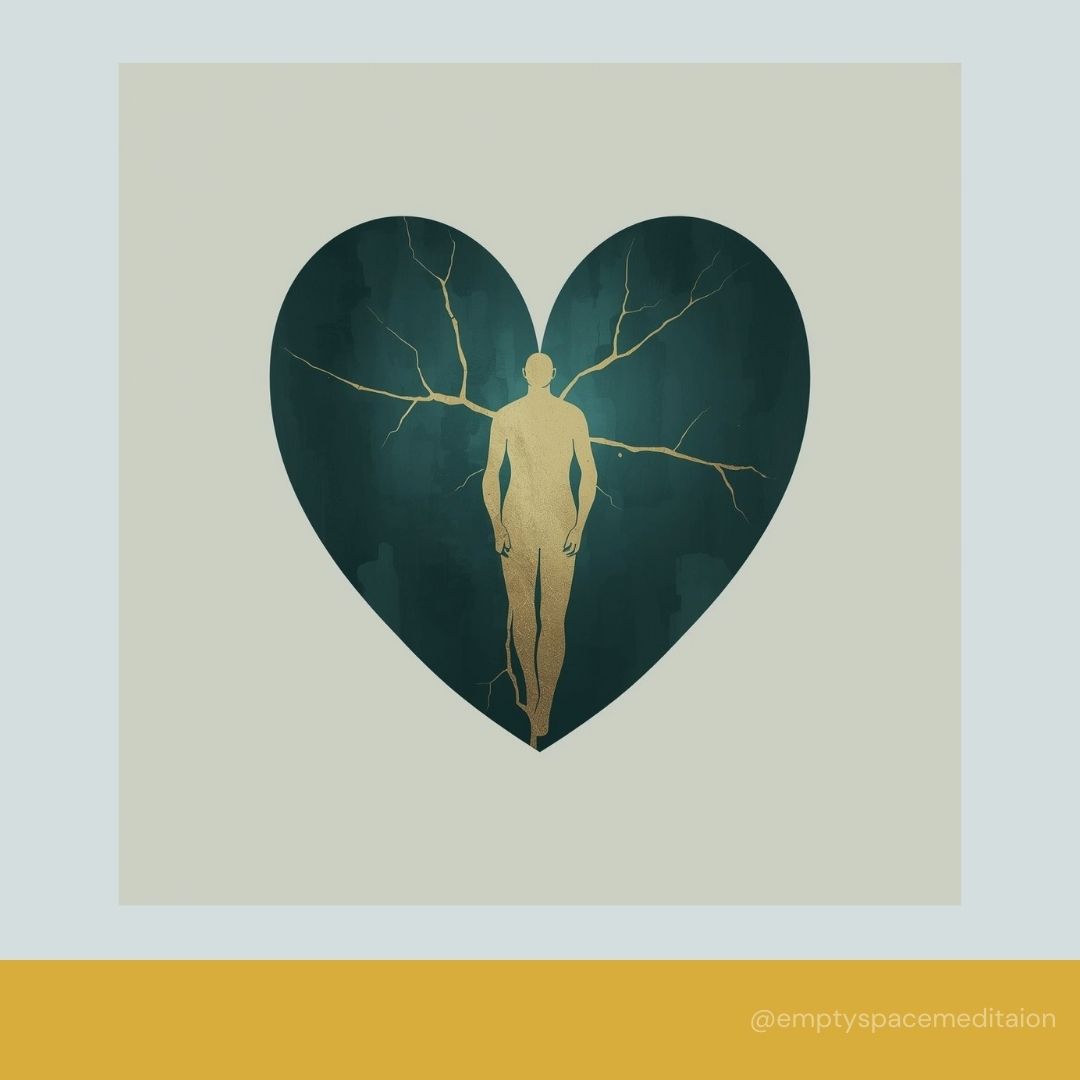
Equimundo’s State of American Men report documents something that is less about statistics than about interior experience: more than half of Americans feel “no one really knows me.” Among young men between eighteen and twenty-three, that number climbs to two-thirds.
This is worth sitting with. Not just “I have fewer friends than I’d like” or “my relationships are shallower than I’d prefer.” The specific conviction that no one, anywhere, actually knows who you are. You move through your life — work, family, social situations — and the version of you that other people encounter is a performance, a surface, a managed presentation of someone who seems fine. The actual interior — the fears, the confusion, the things you’re uncertain about, the ways you’re struggling — lives in a room that no one has been invited into.
I know this from the inside. I was very good at appearing fine for a long time. The humor, the competence, the social ease — none of it was false exactly, but none of it was the whole truth either. The cost of maintaining that gap is difficult to calculate precisely because it’s paid in things that are hard to measure: the exhaustion of performance, the low-grade loneliness of being surrounded by people who don’t actually know you, the specific ache of having something genuine to say and no one to say it to.
George Mumford, who worked with Jordan and Kobe on the mental architecture of high performance, teaches something that applies directly here: the struggle is not the obstacle to connection. It is the substance of it. The willingness to let someone see the actual struggle — not the polished version, not the managed narrative, but what is actually happening — is what creates the conditions for being genuinely known.
Sharon Salzberg writes about “the art of fierce compassion — redefining strength, deconstructing isolation and renewing a sense of community.” The redefinition matters. The current definition of strength — self-sufficiency, emotional containment, never needing — is producing a generation of men who have no one who knows them. A different definition is available. It requires being willing to be seen.