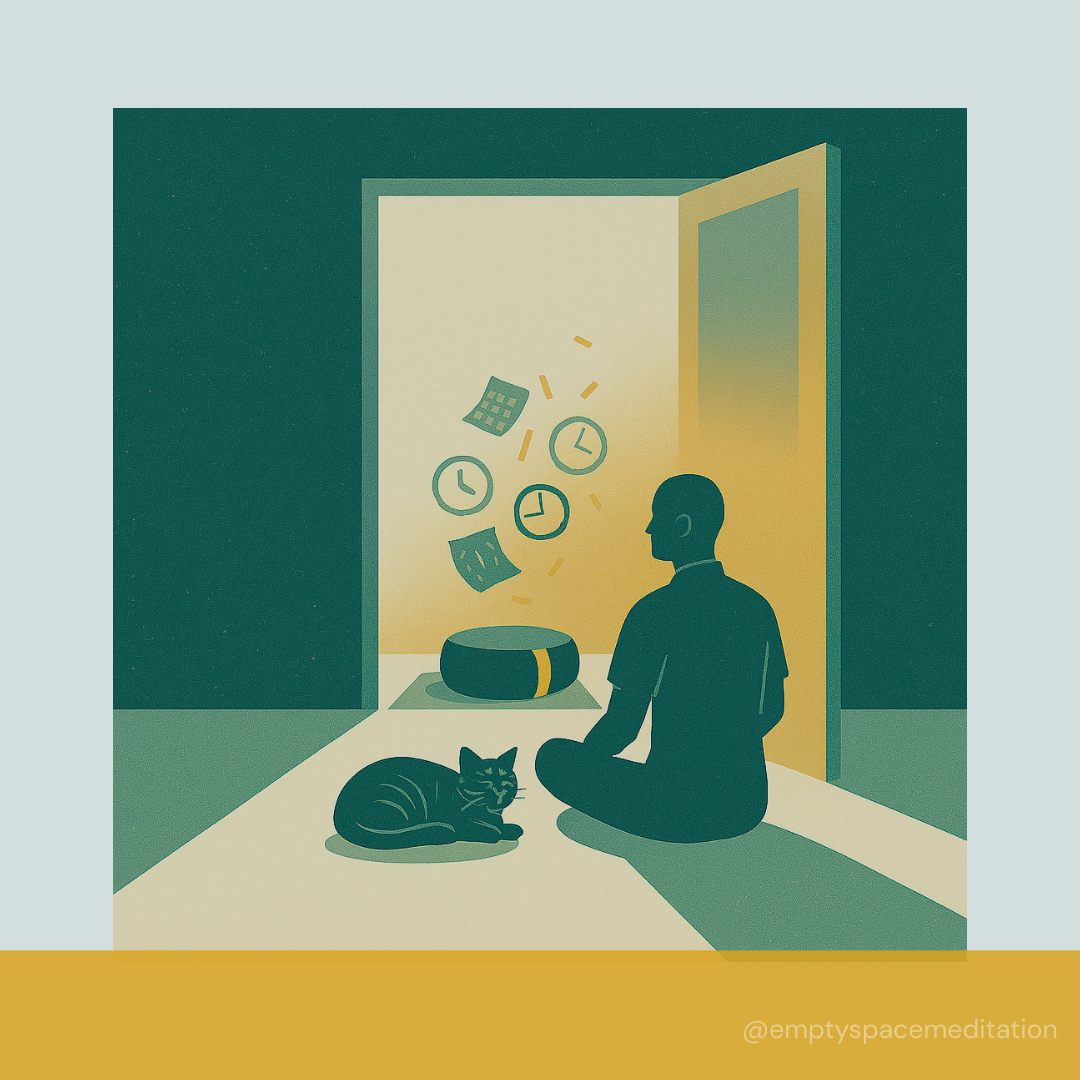
I served my time. Showed up to every probation meeting. Completed every requirement. Did exactly what the court ordered, on time, without incident.
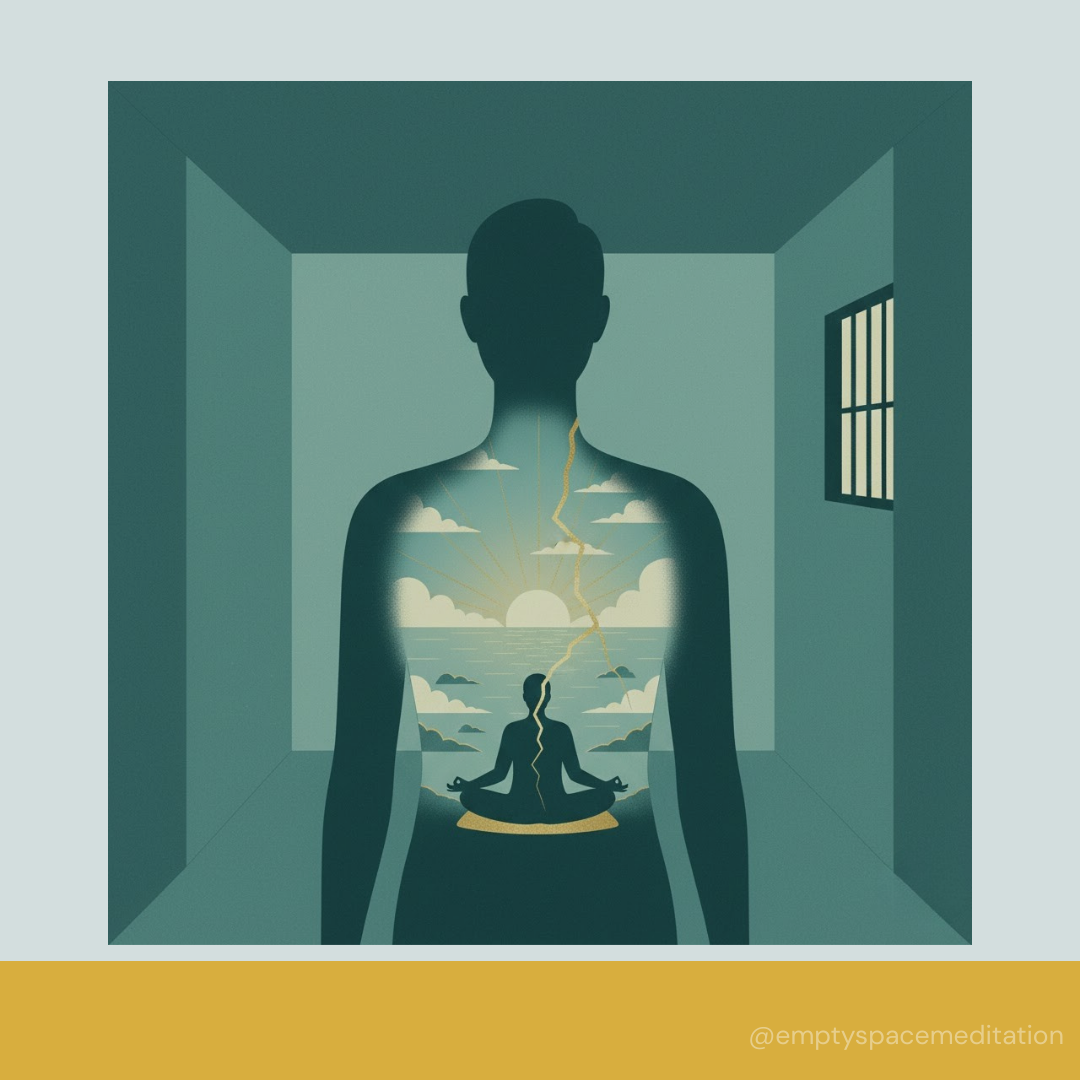
And I was still in county jail. Just in my mind instead of a building.
Because time served isn't the same as time free. You can complete a sentence and still be imprisoned by shame. Still be trapped inside "I'm a criminal" as an identity rather than a legal status. Still be waiting — every job application, every new relationship, every quiet moment — for the other shoe to drop, for someone to finally confirm what you already believe about yourself.
I walked around legally free for years while that internal sentence ran. Every box I had to check on employment forms. Every time I had to decide whether to disclose, whether to explain, whether to preemptively confess so I could control the narrative before someone else took it from me. The legal consequences ended. The story I was telling about what those consequences meant — that kept running without a release date.
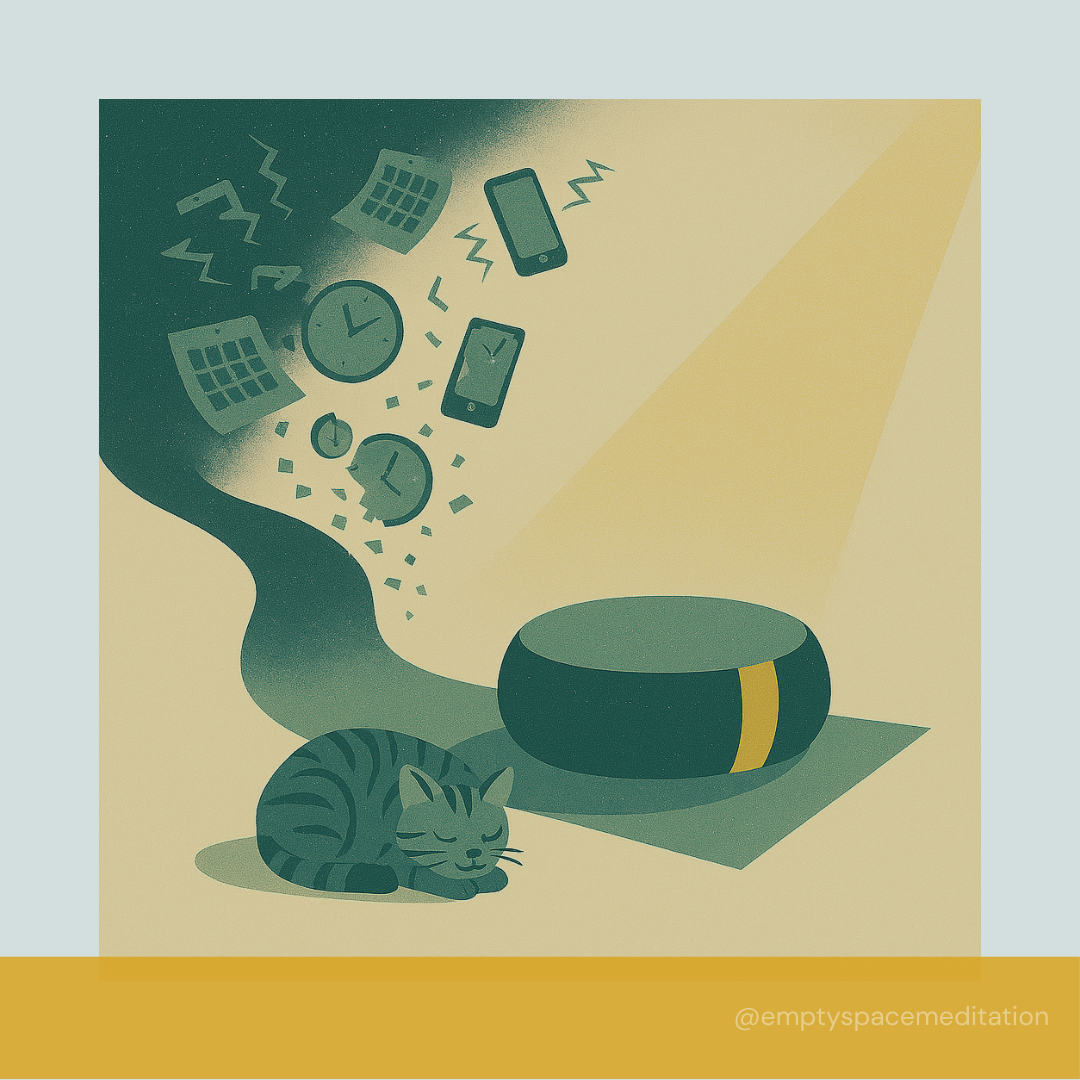
Meditation didn't erase my record. That's not how any of this works. What it gave me, slowly and inconsistently and over a long time, was the ability to sit with who I actually am — past included, record included, shame included — without needing to escape it or perform my way around it or drink it into silence.
When you can sit with the full truth of your history and not be destroyed by it, something changes. Not your record. Not other people's judgment. Not the boxes on the form. But your relationship to all of it. You stop being defined by the worst things you've done. Not because you've convinced yourself they didn't matter — they did — but because you've learned that you are more than those moments, and that "more than" isn't something you have to earn. It's just true.
That's what time free looks like. Not freedom from your past. Freedom with it. Carrying it without being owned by it.
The sentence has an end date. The freedom you build inside — that one's yours to keep.