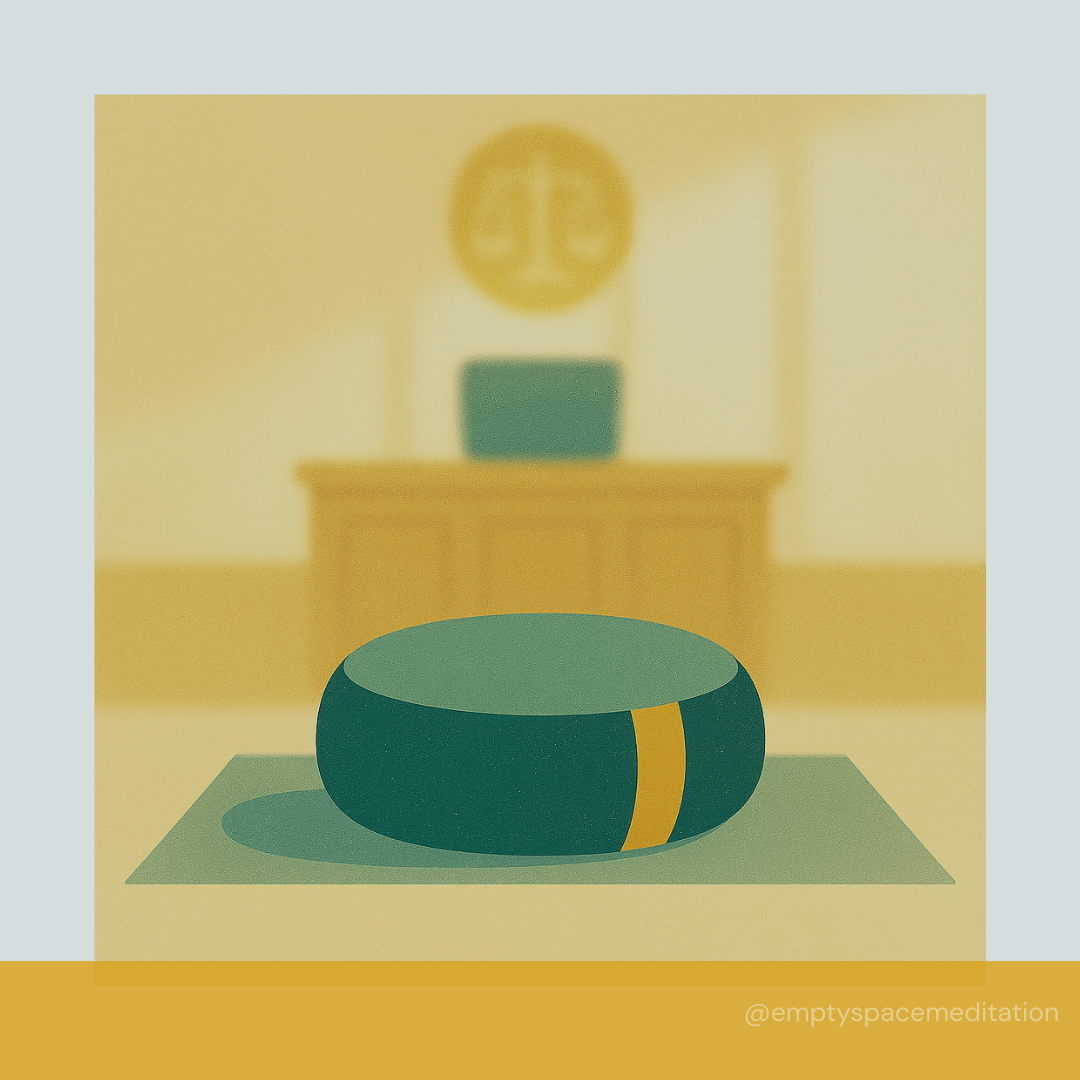
Standing in front of that judge at 25 with my third DUI, I was bargaining with the universe. Not out loud — I knew better than that. But internally: just get me out of this and I'll change. I'll really change this time. I mean it.
The judge threw me in jail for 80 days — I served 80 of the 120 for good behavior, then three years of probation with restrictions and requirements and check-ins. All things I needed. The consequences were real and I needed them to be real. I'm not going to pretend otherwise.
But here's the honest accounting: the court gave me everything it could, and none of it was the thing that actually needed to change. The system can remove your freedom of movement. It can monitor you. It can require you to attend classes and meetings and check-ins. What it cannot do is teach you to be alone with yourself without needing to escape. It cannot give you the space between the craving and the action. It cannot free you from the voice that says you're nothing but your worst moments.
That's not a criticism of the justice system. That's just the limit of external intervention. Behavior changes when the inner landscape changes, not before. And the inner landscape doesn't change because someone orders it to.
I walked out of jail and eventually, years later, found a meditation practice that gave me what the judge couldn't: the ability to sit with what I'd done, with who I'd been, with all the wreckage — and not run from it or drink it away or perform my way around it. To actually be present with my own history. To carry my past without being controlled by it.
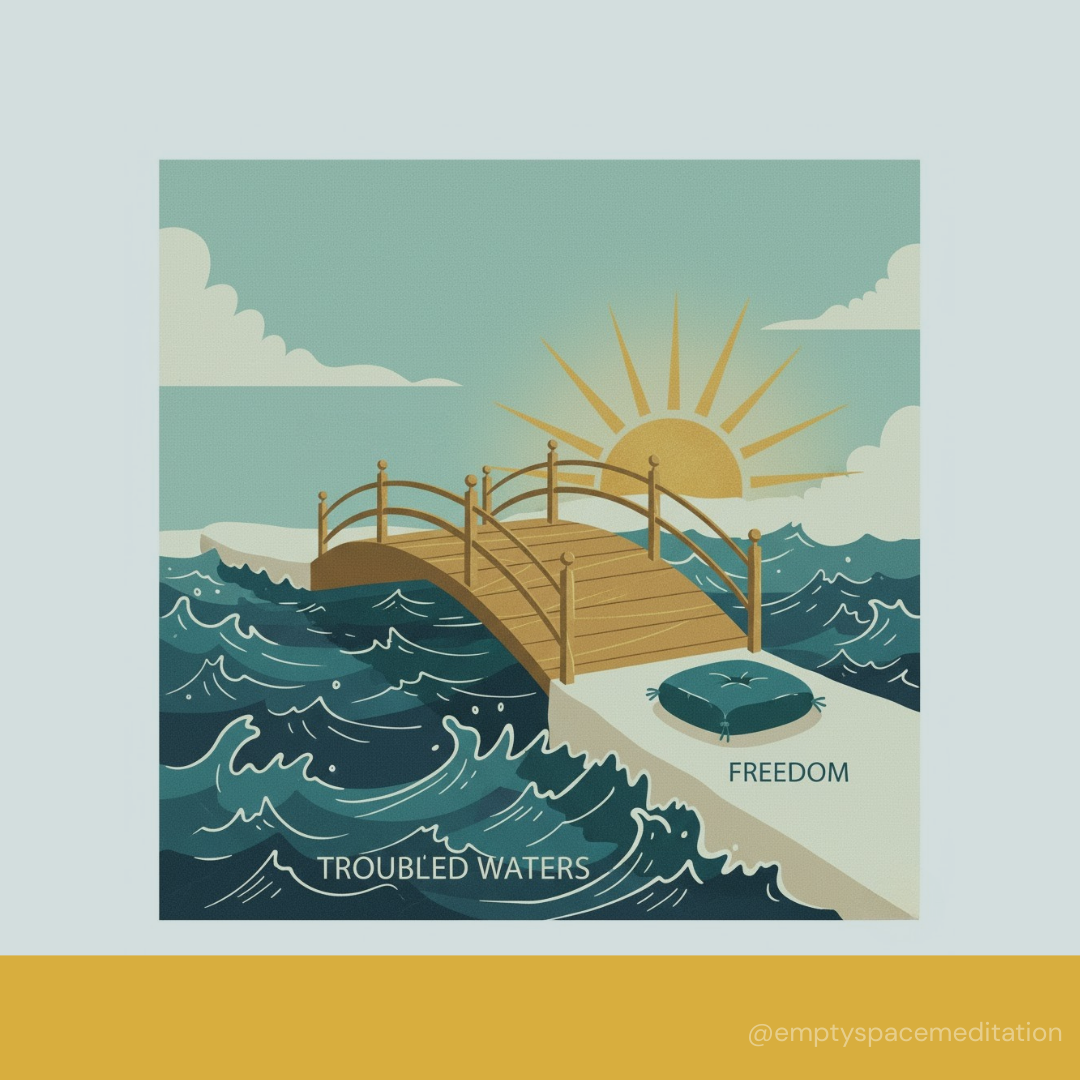
The sentence ends. But the freedom — real freedom, the kind that doesn't require external monitoring — that's something you build yourself. Five minutes at a time. Morning after morning. Choosing to stay with what's uncomfortable instead of finding the nearest exit.
The judge did his job. This work is mine.