Children of alcoholics become excellent at reading rooms. We have to. Your survival depends on knowing: is this the calm version tonight, or the other version? Is this the moment to be invisible, or to deflect with humor?
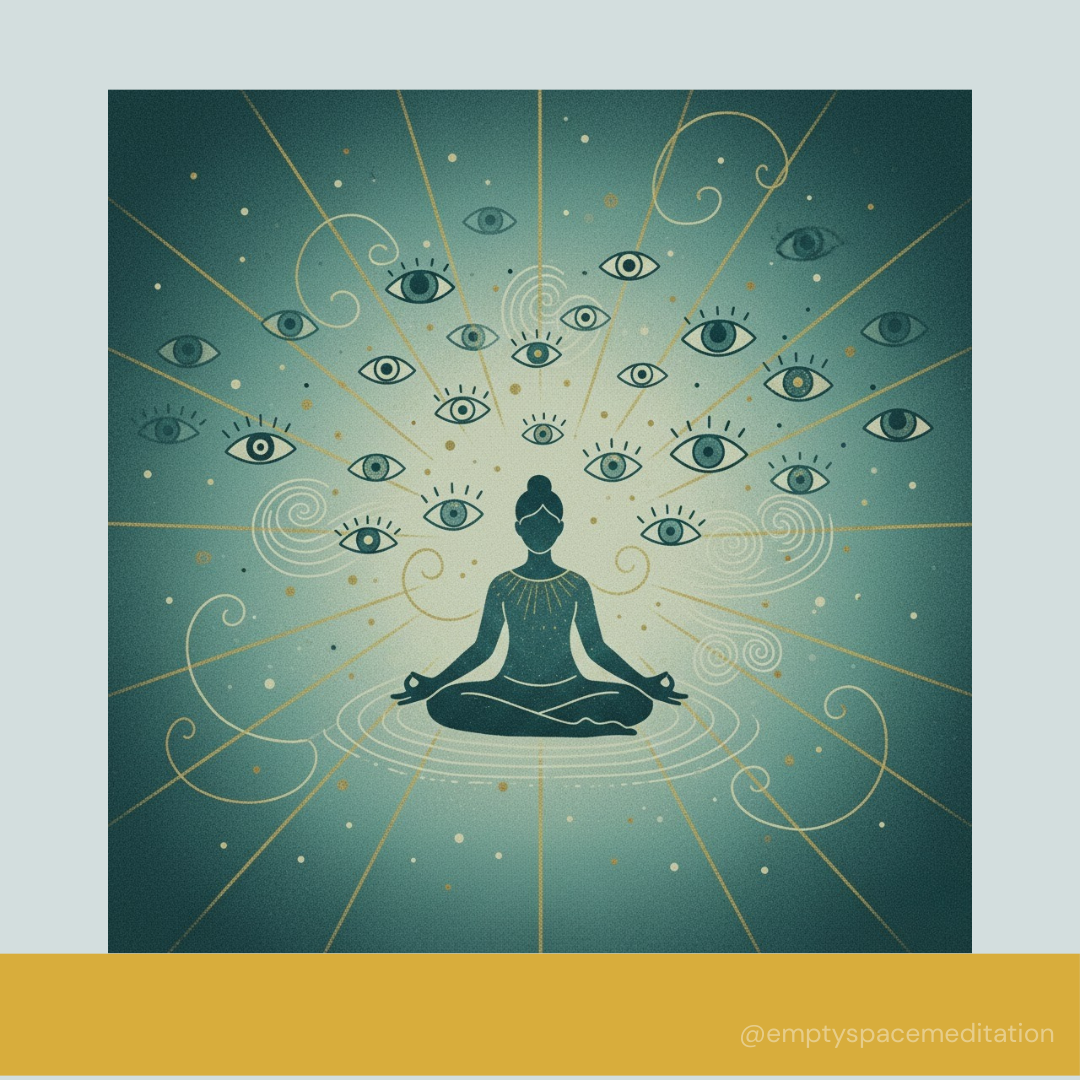
We learn to scan faces, interpret tonal shifts, read the energy before anyone has said a word. We become extraordinarily perceptive — not because we’re gifted empaths, but because our safety depends on it.
Then we grow up and people call it emotional intelligence. Intuition. Being good with people. We get promoted. Get praised. Nobody mentions that it’s exhausting, because from the outside it looks like a skill.
I built a career on this. Managed teams. Anticipated problems before they became crises. Read rooms and situations with what looked like insight. And I never stopped moving. Never stopped scanning. Never stopped waiting for something to blow up, because the waiting was what I knew how to do.
Amishi Jha at the University of Miami, whose research focuses on attention under high demand, distinguishes between productive vigilance and the kind of hyperactivated scanning that burns attentional resources without generating useful information. I was doing the second thing. At a high level. For decades.
The distinction between genuine empathy and survival-mode threat scanning is this: empathy asks “what is this person feeling?” Hypervigilance asks “am I in danger?” They produce similar external behaviors and completely different interior experiences. One connects you to people. The other keeps you alone with your alarm system.
Meditation was the first place I practiced not monitoring. To let other people have their experience without it being my job to predict, fix, or manage. To notice the alarm firing and ask: am I actually in danger, or is this just my childhood speaking?
The hypervigilance isn’t gone. But now I have some choice about when to use it and when to let it rest. That difference is not small.