When I stopped drinking, some family members got uncomfortable. When I started setting boundaries, I was told I was “too sensitive” and “holding grudges.” When I entered therapy, I was “making a big deal out of nothing” and “blaming everyone for my problems.”
Here is what nobody tells you about breaking cycles: it feels like betraying your family.
Breaking the cycle means saying: that wasn’t okay, that hurt me, that was dysfunctional. And dysfunctional families don’t want anyone naming the dysfunction. They want you to keep playing your role in keeping everything looking normal. When you name it, you’re not just opting out of the pattern — you’re disrupting the system that depends on everyone agreeing the pattern doesn’t exist.
I felt guilty. Felt disloyal. Felt like healing meant admitting something about my family that I had spent decades protecting — and admitting it felt like abandoning the people who raised me, however imperfectly. The guilt was real. It took a long time to understand that guilt as a feature of the system rather than evidence that I was wrong to leave it.
Ruth King, a Spirit Rock guiding teacher, writes about the importance of attending to suffering rather than bypassing it — of being willing to look clearly at what happened and what it cost, rather than maintaining a fiction of normalcy that protects the wound rather than healing it. That looking is what feels like betrayal from inside a family that has organized around not looking.
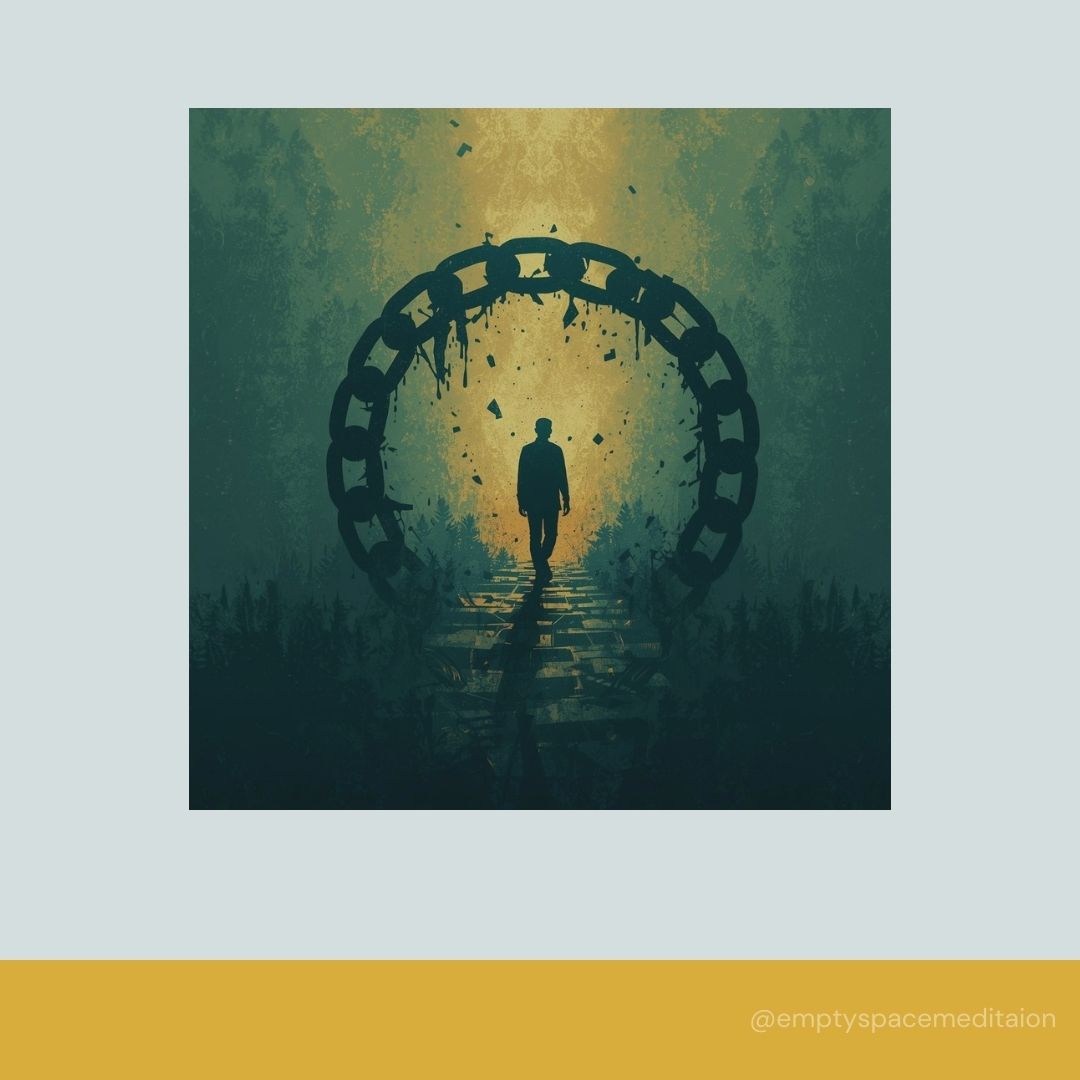
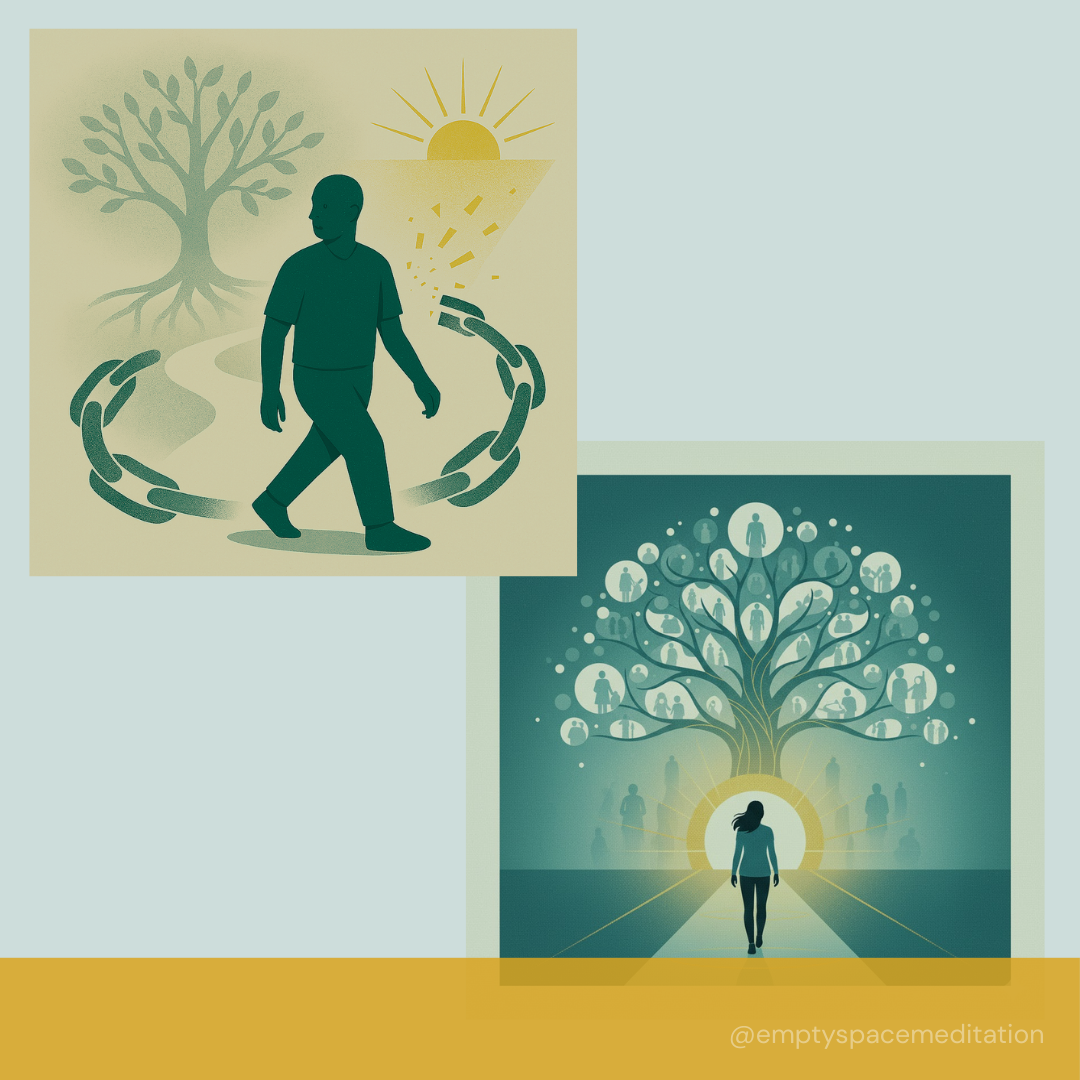
Breaking the cycle is not about blame. It’s about choosing different. It’s about saying: this ends with me. My relationships won’t repeat these patterns. My life won’t be ruled by trauma I didn’t cause.
You can love your family and still refuse to repeat their patterns. You can honor where you came from and still decide it goes no further. Both things are true. The guilt that comes up when you hold both of them is real — and it is not the truth.