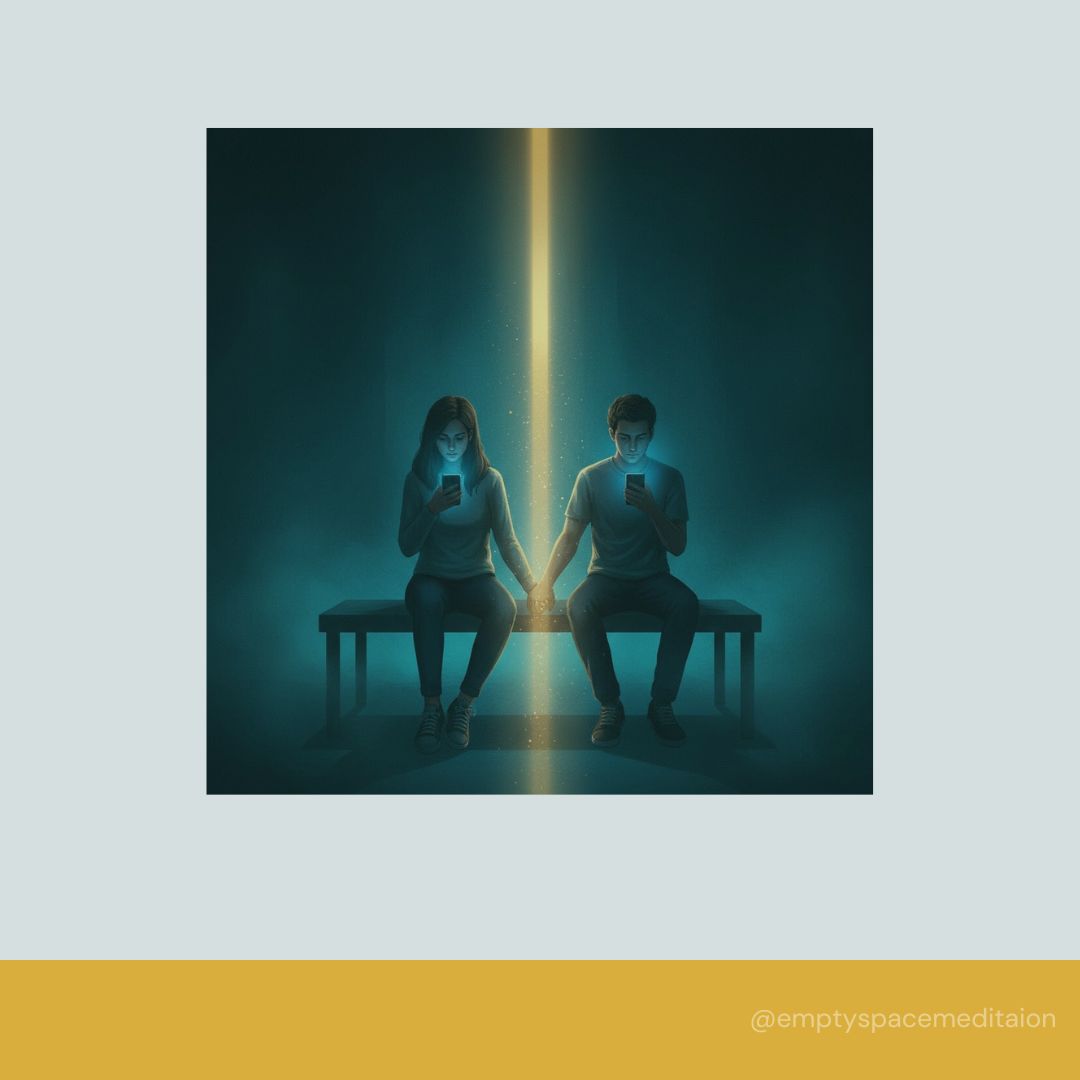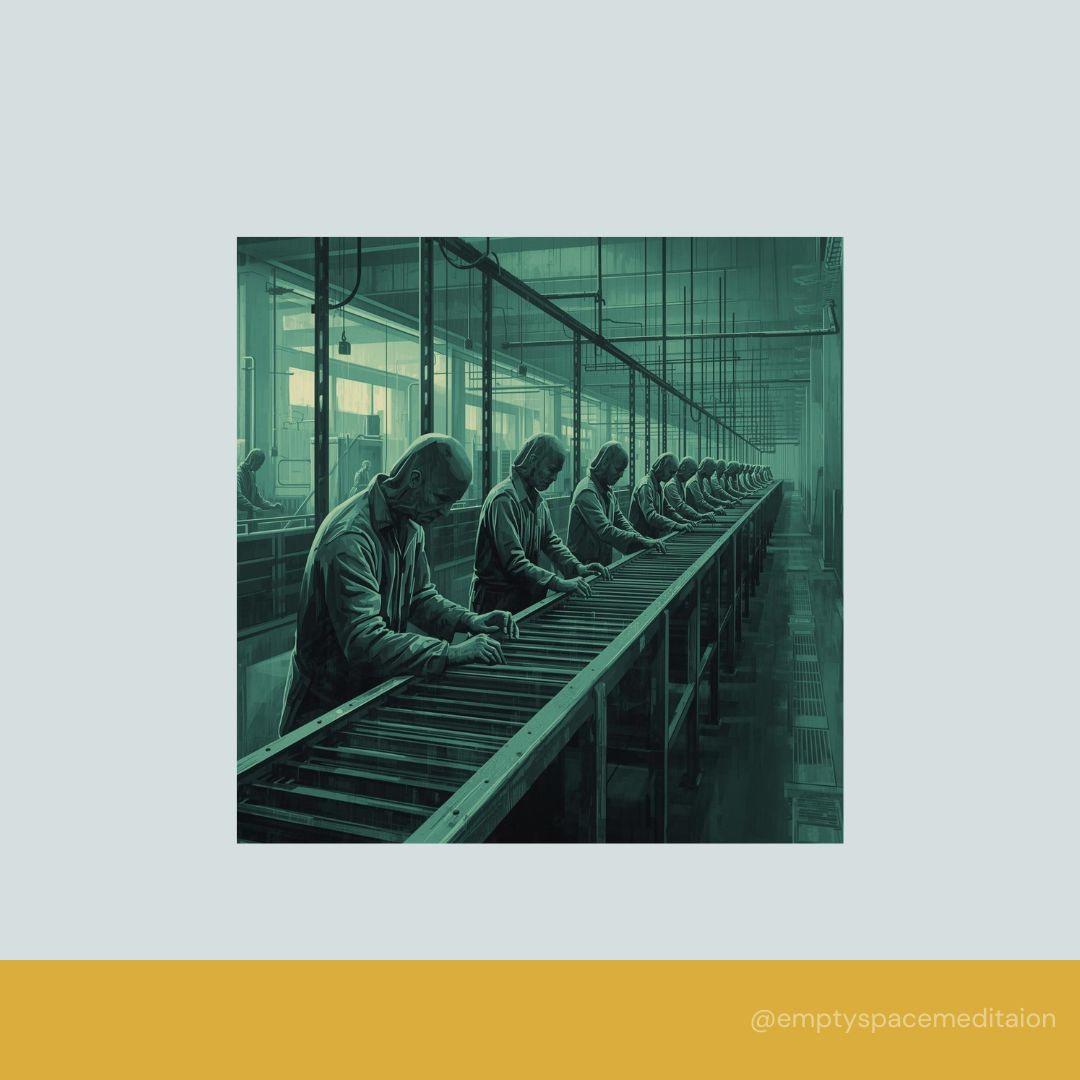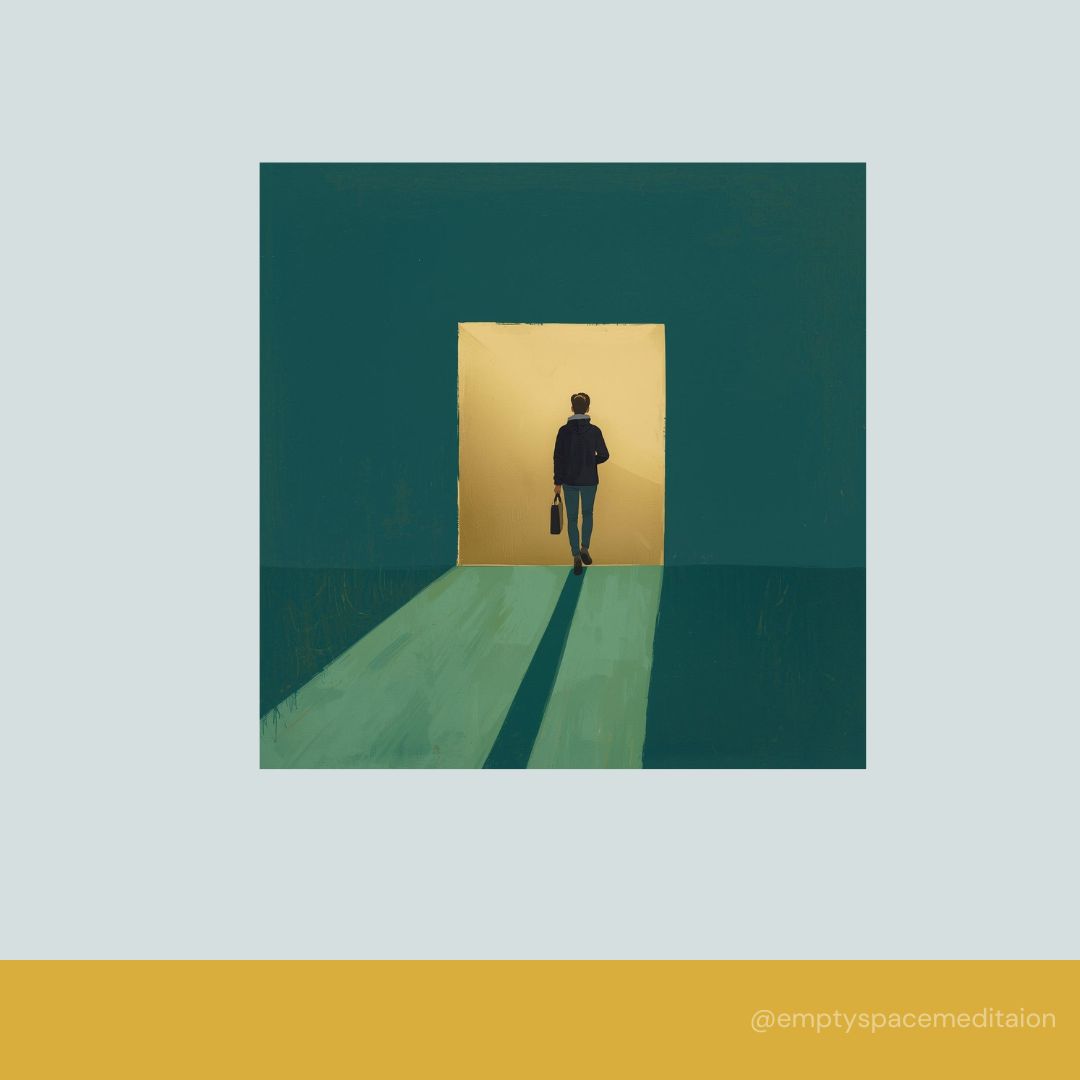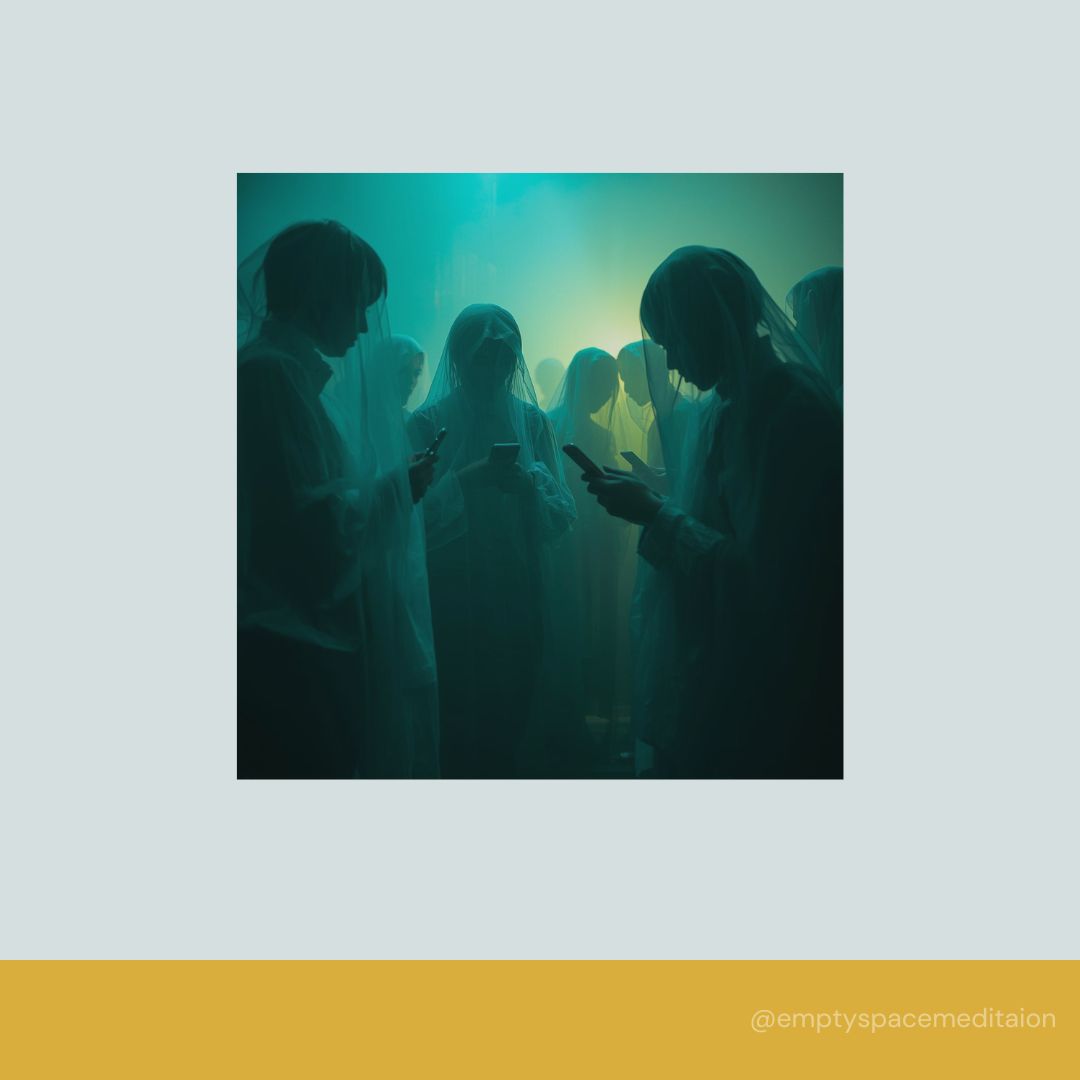
Scott Galloway writes: “There is nothing more dangerous than a lonely, broke young man.” He’s right. And we are manufacturing them at scale, deliberately, for profit.
The combination isn’t accidental. Economic precarity creates anxiety. Anxiety makes people susceptible to whoever is telling them why they feel this way and who’s to blame. The algorithm serves up those explanations tailored to keep the user engaged — which means increasingly extreme, increasingly tribal, increasingly divorced from anything that might actually help.
The Surgeon General’s 2023 advisory on loneliness flagged something that should alarm anyone paying attention: prolonged isolation carries health consequences comparable to smoking fifteen cigarettes a day. We spend enormous public health resources on smoking cessation. We have spent almost none on the loneliness epidemic, despite it affecting a far larger share of the population.
What I know from my own history is this: a lonely, broke young man with no community and no tools for his interior life is very easy to aim. Whoever can give him an enemy and a sense of belonging has him. I was pointed at alcohol. The current version of that story is more varied and some of it is considerably more dangerous.
The economic piece matters and it’s real — stagnant wages, housing costs, the gutting of working-class stability have created genuine grievance. But the algorithmic layer amplifies the grievance, strips it of nuance, and redirects it toward whatever keeps the user engaged rather than whatever might actually address the situation. Rage keeps you on the platform. Organizing gets you off it.
Meditation isn’t a substitute for economic justice. I want to be clear about that. But what practice does — specifically, consistently, over time — is rebuild the capacity to observe your own mind. To notice when you’re being manipulated by an emotional state rather than reasoning from one. To feel the loneliness and the rage without being immediately run by them. That gap — Viktor Frankl’s space between stimulus and response — is what the algorithm is designed to eliminate. Practice is how you get it back.
The young man who can sit with his own discomfort is considerably harder to radicalize than one who can’t. That’s not a political statement. It’s a description of how the mechanism works.