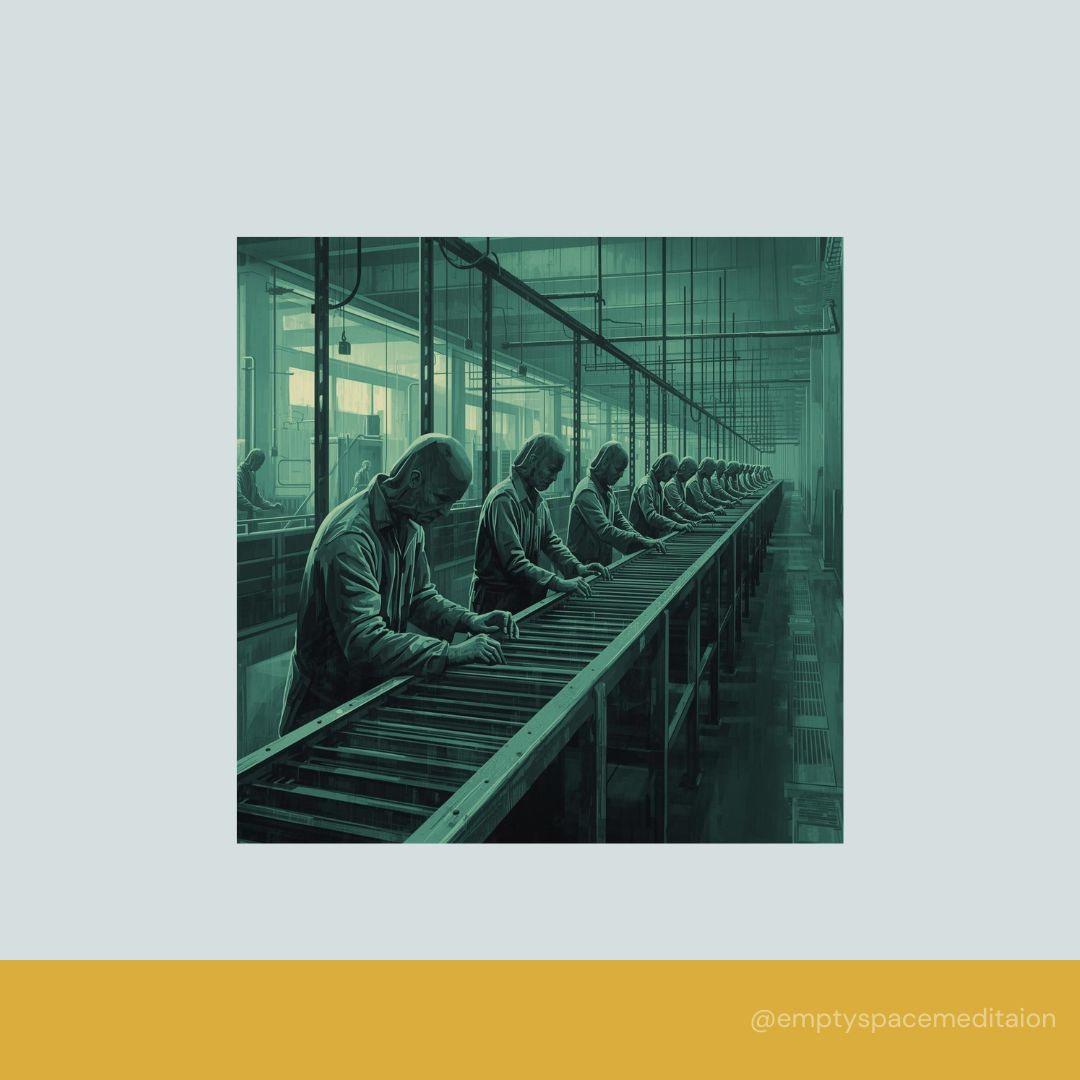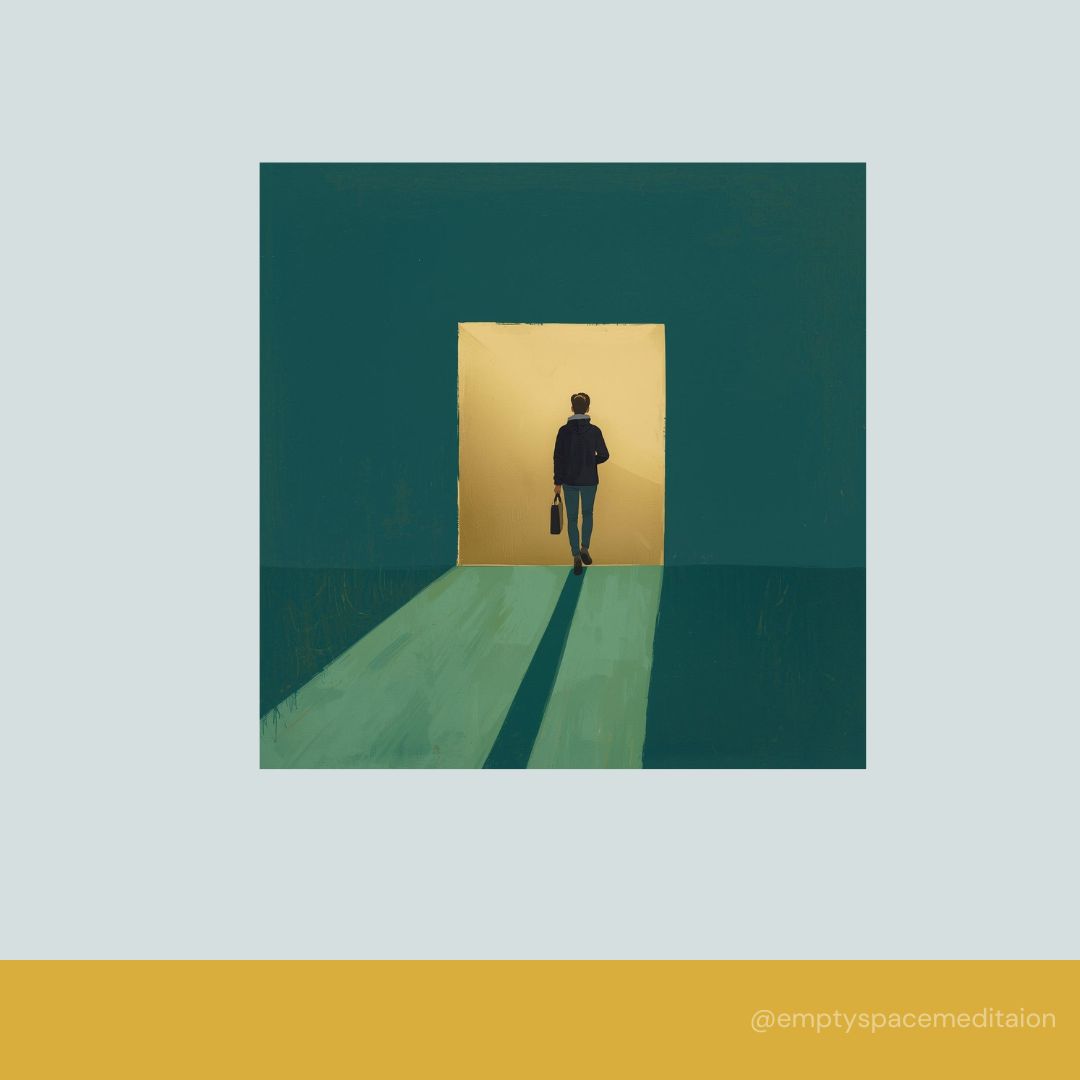
“Get out of the house. Action absorbs anxiety.” Scott Galloway says this, and it’s true. But it requires a distinction that usually gets skipped: scrolling is not action. Scrolling is the illusion of action — the feeling of doing something while actually doing nothing except feeding the machine that profits from your anxiety.
Real action is specific, embodied, and directed at something that exists outside your screen. It has friction. It costs something. It ends. It produces something you can hold or point to or show to another person. The algorithm will never give you that, because giving you that would mean you’d have a reason to put the phone down.
Amishi Jha’s research on attention and action is useful here. Her work with military personnel — people who operate in genuinely high-stakes, high-distraction environments — shows that mindfulness training measurably improves what she calls “the readiness to act.” Not just calm for its own sake. The capacity to assess a situation accurately and respond deliberately rather than reactively. That’s a specific functional improvement, and it comes from building the habit of returning to the present moment rather than being swept along by whatever demands attention loudest.
In my experience, the sequence matters. Anxious action — doing something just to escape the feeling of doing nothing — often makes things worse. You move but you’re still reactive, still running from the discomfort rather than toward something real. The pause comes first. Not a long pause, necessarily. Five minutes of actual stillness. Then you can act from something other than panic.
Viktor Frankl called it the space between stimulus and response. The stimulus is everywhere now — every notification, every outrage cycle, every algorithm-curated provocation designed to trigger a click. The space requires cultivation. It doesn’t arrive on its own anymore, if it ever did.
Get out of the house. Take actual action on actual things. But build the pause first. That’s what makes the action real.