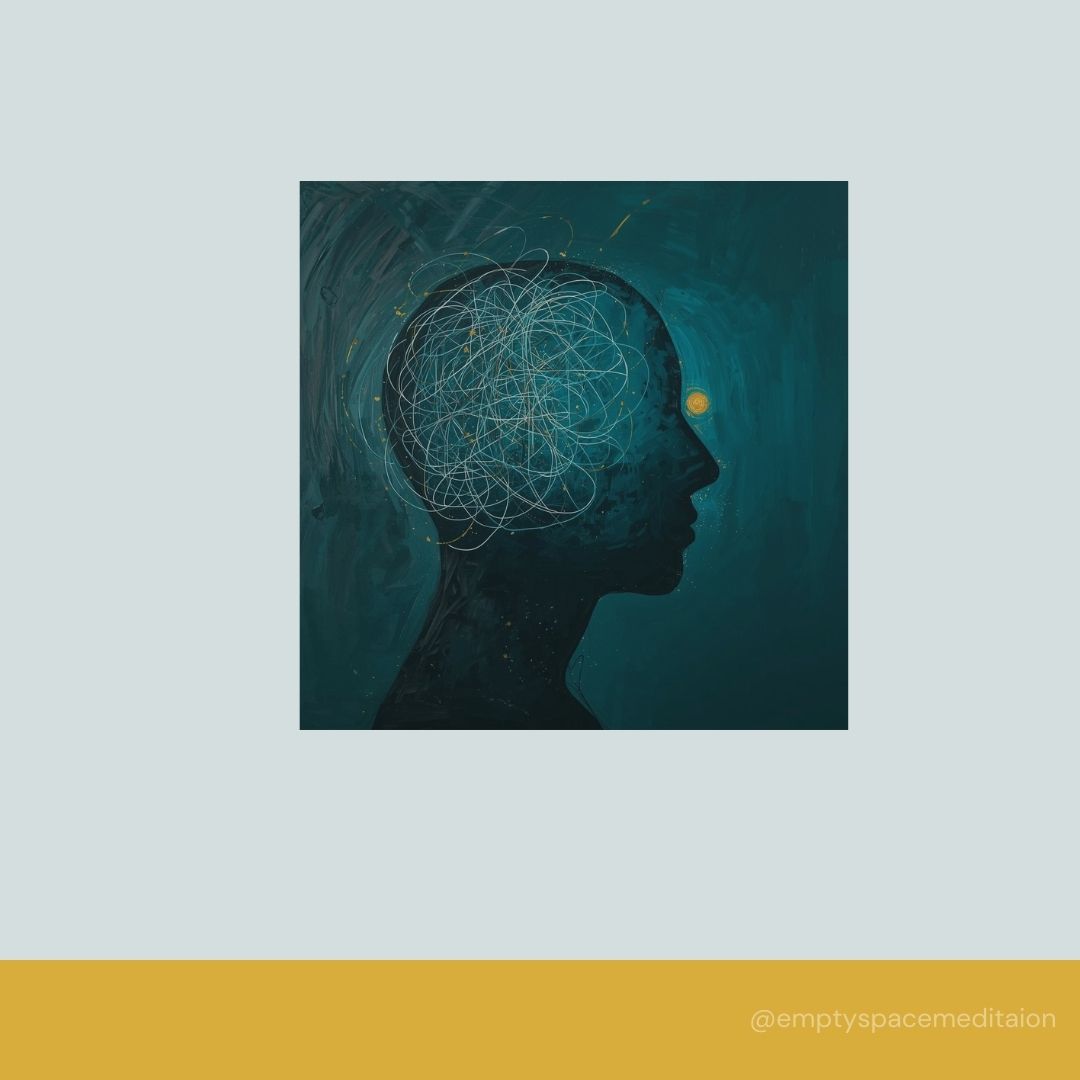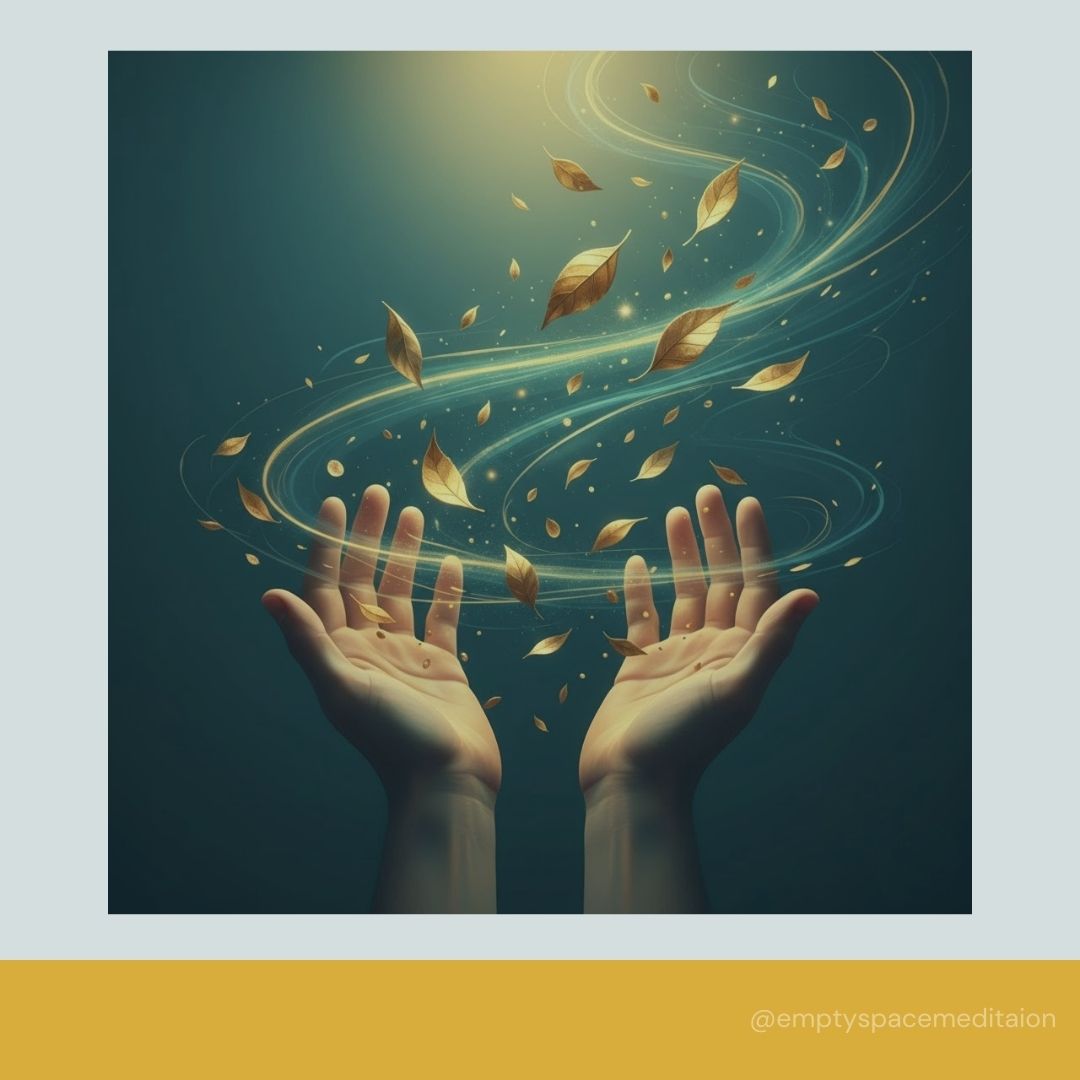
Thich Nhat Hanh teaches: “Letting go gives us freedom, and freedom is the only condition for happiness. If, in our heart, we still cling to anything — anger, anxiety, or possessions — we cannot be free.”
That word anything is the one that gets me every time.
Not the obviously bad stuff. Not just the resentments you know you should drop or the grudges that have been running your life for a decade. But anything. Including the story you’ve been telling about your own transformation. Including the identity you’ve built around surviving something hard. Including the righteous anger that’s kept you warm on cold nights when you needed something to hold onto.
I held onto things for a long time. Resentment toward my father — which was entirely justified and also entirely corrosive. The story of the things that had been done to me — which was true and also, over time, a container I was living inside of rather than a history I carried. The drinking took those things and gave them company: substances become their own clinging, their own thing you hold onto because without them the feelings are just there, unmediated.
Letting go is not forgetting. It’s not excusing. It’s not pretending the thing didn’t happen or didn’t matter. It’s releasing your grip — the active, effortful holding — so that the thing can exist in its proper proportion rather than taking up the entire room.
Dan Harris writes about “striving tempered by the realization that the final outcome is out of your control.” Do everything you can. Work as hard as you can. Care as much as you can. And then — and this is the part that doesn’t fit neatly into any achievement culture — release your grip on the result. It will be what it will be. Your clinging to it won’t change it, only exhaust you.
The Buddhist teaching that nothing is worth holding onto used to sound to me like nihilism. Now it sounds like the most liberating thing I’ve heard. Not because nothing matters — everything matters enormously, and I care about it — but because carrying it all doesn’t make any of it better. Setting it down, for even a breath, is the practice of freedom.
What are you still holding? Name it. Then — not permanently, not with any expectation that it stays gone — practice opening your hand.