One of Norman Rockwell's last portraits was of Colonel Harland Sanders. The Kentucky Fried Chicken guy. White suit, white beard, string tie.
Some people thought it was strange. The painter of American ideals, painting a fast-food mascot at age 79?
But Rockwell knew exactly what he was doing.
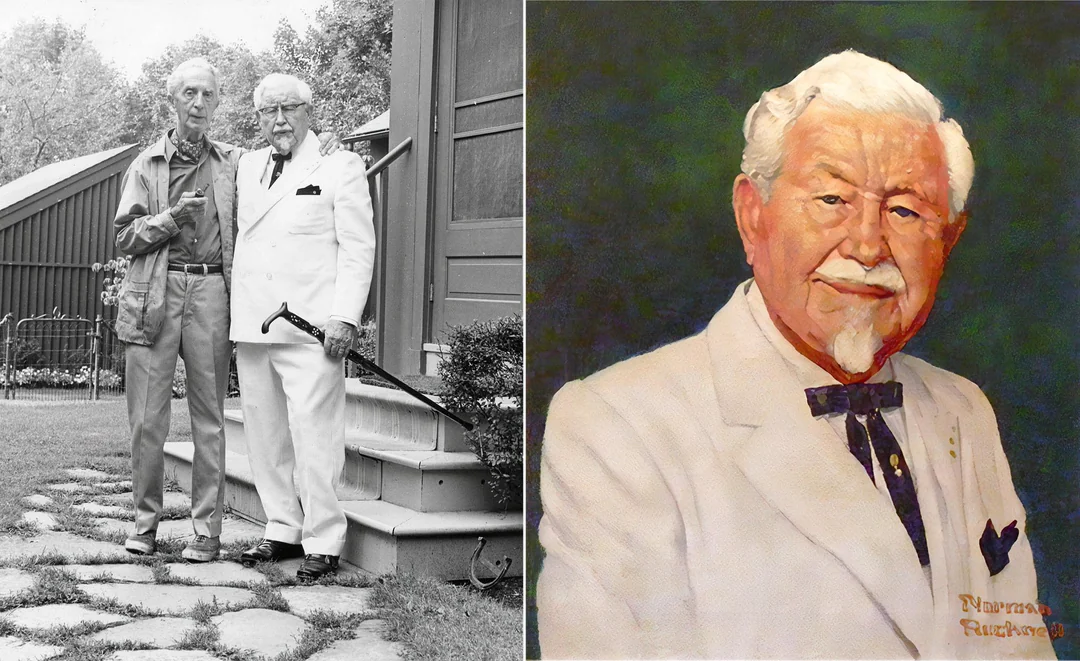
Colonel Sanders didn't franchise KFC until he was 62. Before that, he'd been a farmhand, a streetcar conductor, a soldier, a fireman, a lawyer (he got into a courtroom fight that ended his legal career), an insurance salesman, and a service station operator.
He was 65 when KFC really took off. In his seventies, he became a national icon. In his eighties, he was still doing TV commercials.
Sound familiar?
Rockwell started his civil rights work in his late sixties. He walked away from the Saturday Evening Post at 70. He painted some of the most important American images of the 20th century after most people would have retired.
The Colonel Sanders portrait wasn't random. It was Rockwell acknowledging a kindred spirit—another man who found his true purpose in what most people consider old age.
"No one is ever told that his work has been done. No one is finally retired from service to his fellow man." — Norman Rockwell
Our culture worships youth. We act like life peaks at 30, like everything after is decline. But some of the most important work in human history has been done by people who should have been "finished."
Grandma Moses started painting at 78. Laura Ingalls Wilder published her first novel at 65. Frank Lloyd Wright designed the Guggenheim in his eighties. And Norman Rockwell spent his seventies painting images that still define how we see civil rights in America.
The late bloomer gospel isn't about achievement. It's about remaining open. Staying curious. Refusing to believe that your best years are behind you.
Recovery teaches this too. It doesn't matter how many years you lost. It doesn't matter how late you found the pause. What matters is that you found it. What matters is what you do now.
Rockwell died on November 8, 1978, at 84. He was still painting. Still looking. Still finding the sacred in the ordinary. He spent sixty years observing America, and he never stopped being surprised by what he saw.
That's the practice. Not perfection. Not productivity. Just continued presence. Continued attention. Continued willingness to show up and see what's in front of you.
Colonel Sanders in his white suit, still working in his eighties. Norman Rockwell at his easel, still painting civil rights in his seventies. Both of them proof that the timer doesn't run out until it runs out.
What are you going to paint with your remaining time?
Support the Legacy: Museum prints available at prints.nrm.org. Support the museum that preserves 574 original Rockwell works.
