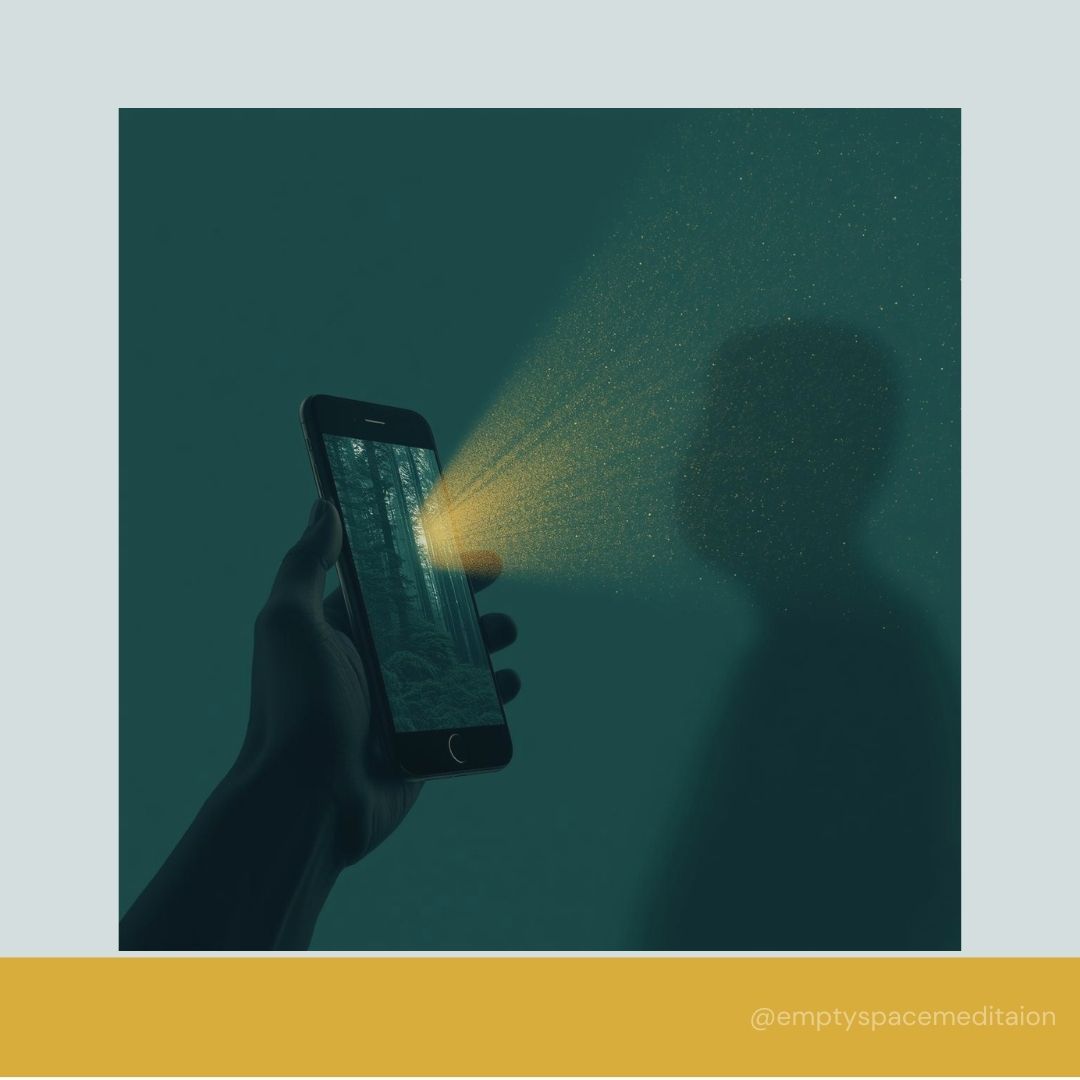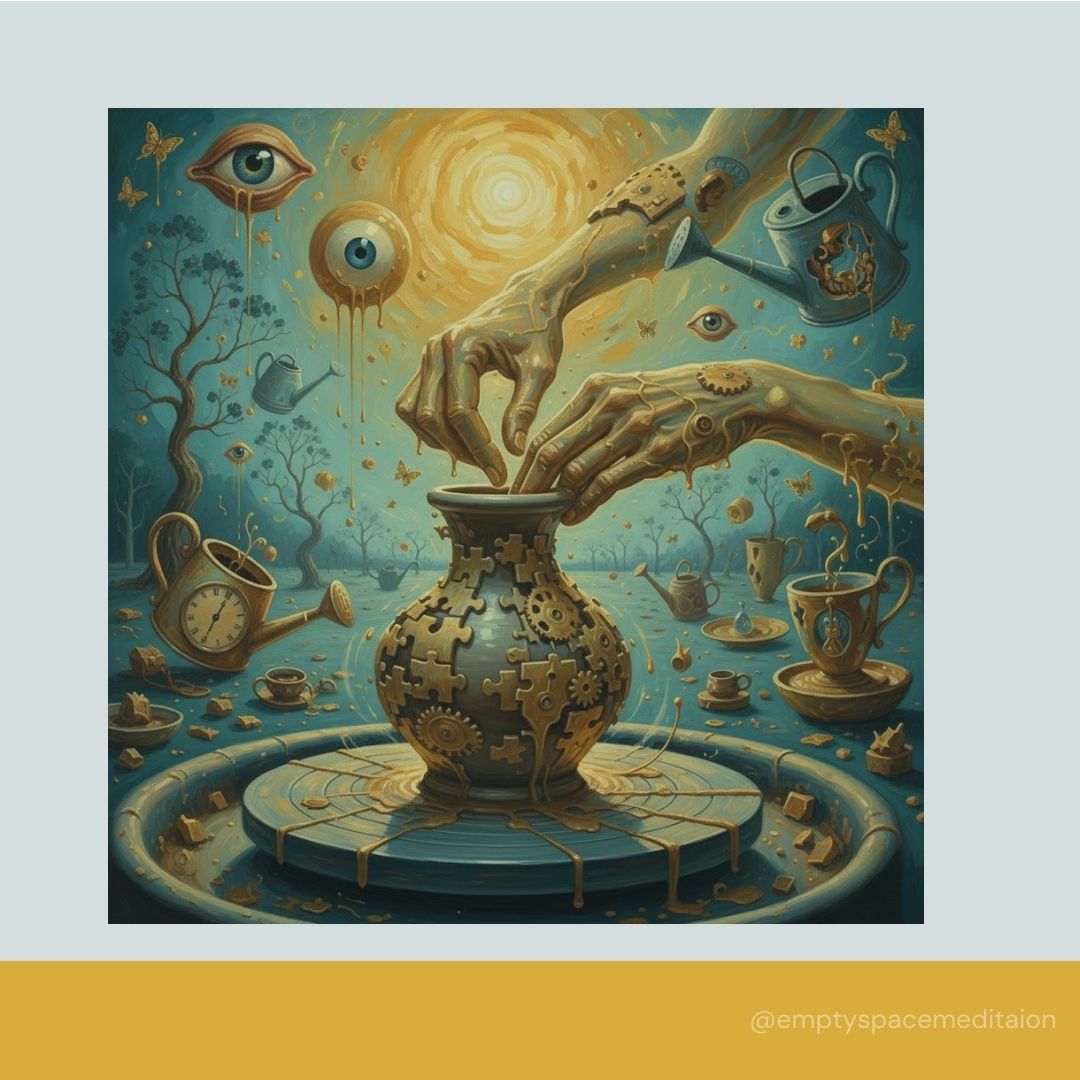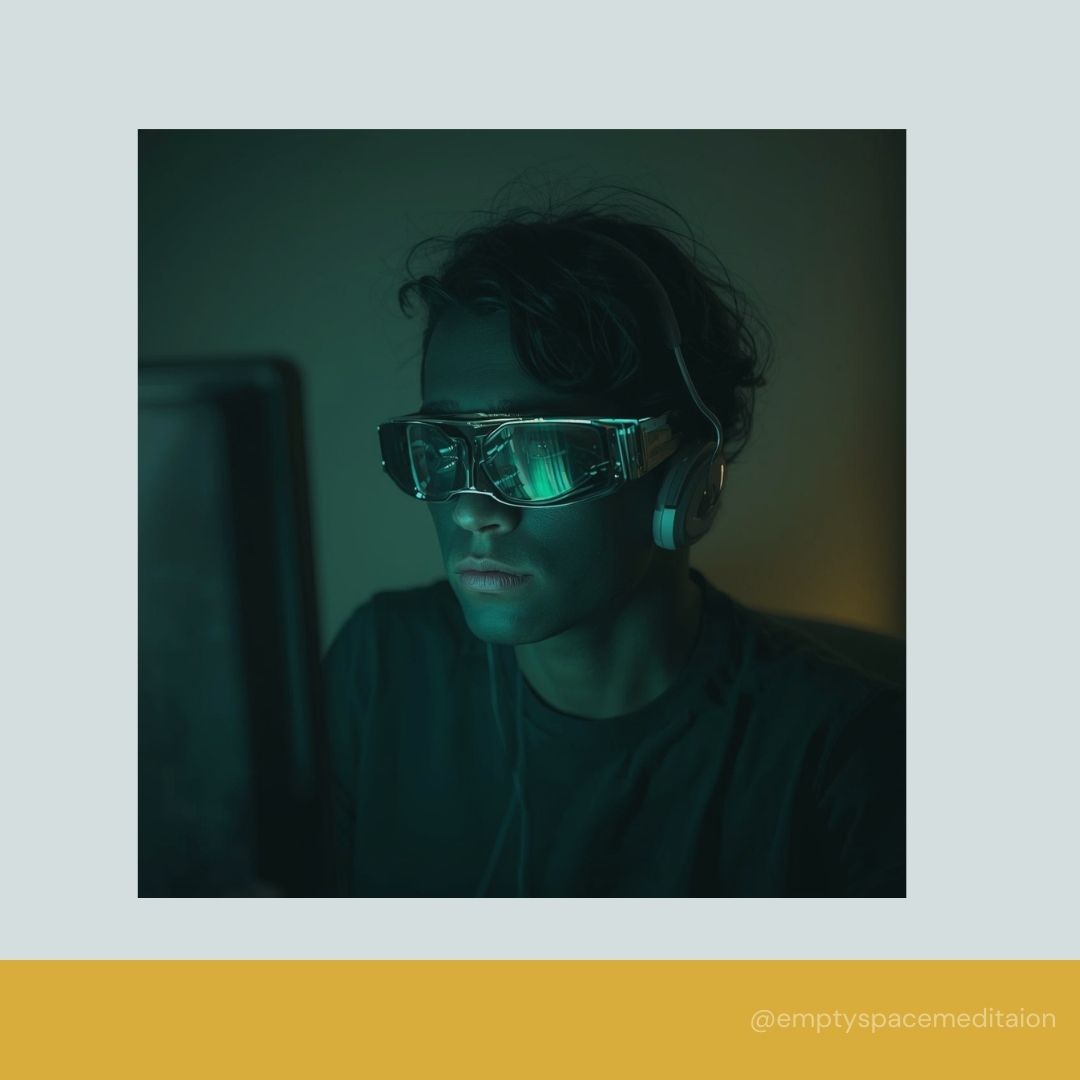
Johann Hari makes a specific observation in Stolen Focus that cuts through the usual framing of screen addiction as personal failure: we have built a world that is structurally hostile to the kind of sustained, deep attention that human wellbeing requires. This is not primarily a willpower problem. It is an environmental problem — and environments can be changed.
But before the environment can be changed, the function of the behavior needs to be understood. The scroll is a numbing device. This is worth saying plainly. When you are anxious, you scroll. When you are lonely, you scroll. When you are uncomfortable with your own thoughts — with the particular quality of silence that arises when nothing is happening and you are left with whatever is actually there — you scroll. The screen interrupts the discomfort before it has to be felt. This is the same mechanism as any other habit that fulfills an inner need: it works, in the short term, at exactly what it is designed to do.
Amishi Jha at the University of Miami has documented what sustained screen use does to attentional capacity: it trains the mind toward short cycles, rapid switching, and low tolerance for the kind of concentrated engagement that produces deep work, genuine conversation, and the quality of presence that close relationships require. Attention is not a fixed endowment. It is a trainable skill, and the training that constant connectivity provides points in the wrong direction.
Thich Nhat Hanh teaches: “Feelings come and go like clouds in a windy sky. Conscious breathing is my anchor.” The screen is not an anchor. It is drift — organized, monetized drift, but drift nonetheless. What the screen cannot do is help you be with what you’re feeling. It can only interrupt it, which postpones it, which compounds it.
Dan Harris describes the meditation practice as teaching the brain that presence feels better than clinging. The screen teaches the brain the opposite. Every time you reach for the phone to escape a moment of discomfort, you are reinforcing the neural association between discomfort and escape. The practice — noticing the reach, pausing, asking what you’re actually feeling — is the countertraining. Not to be miserable in the discomfort. To find out what is actually there when you don’t immediately run from it.