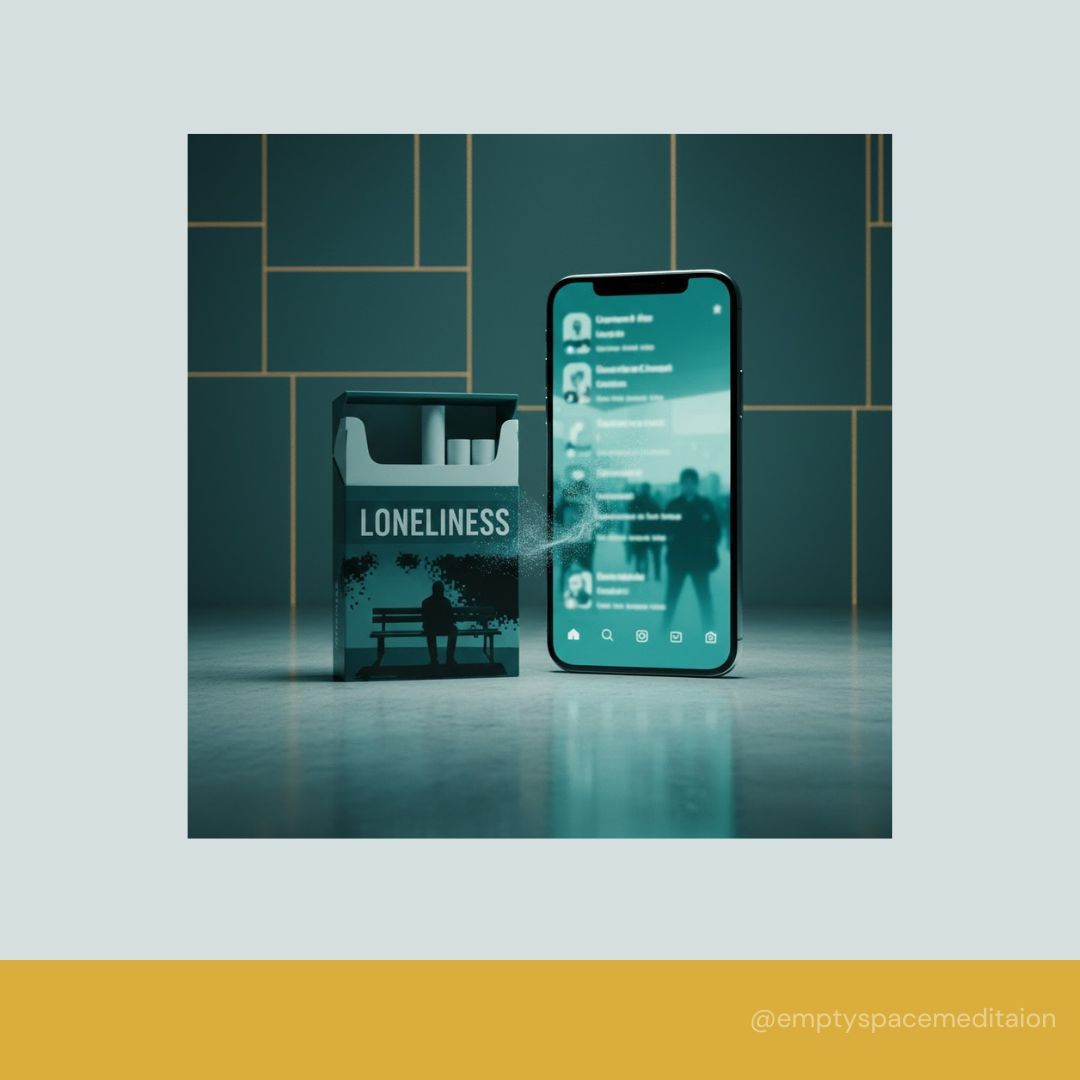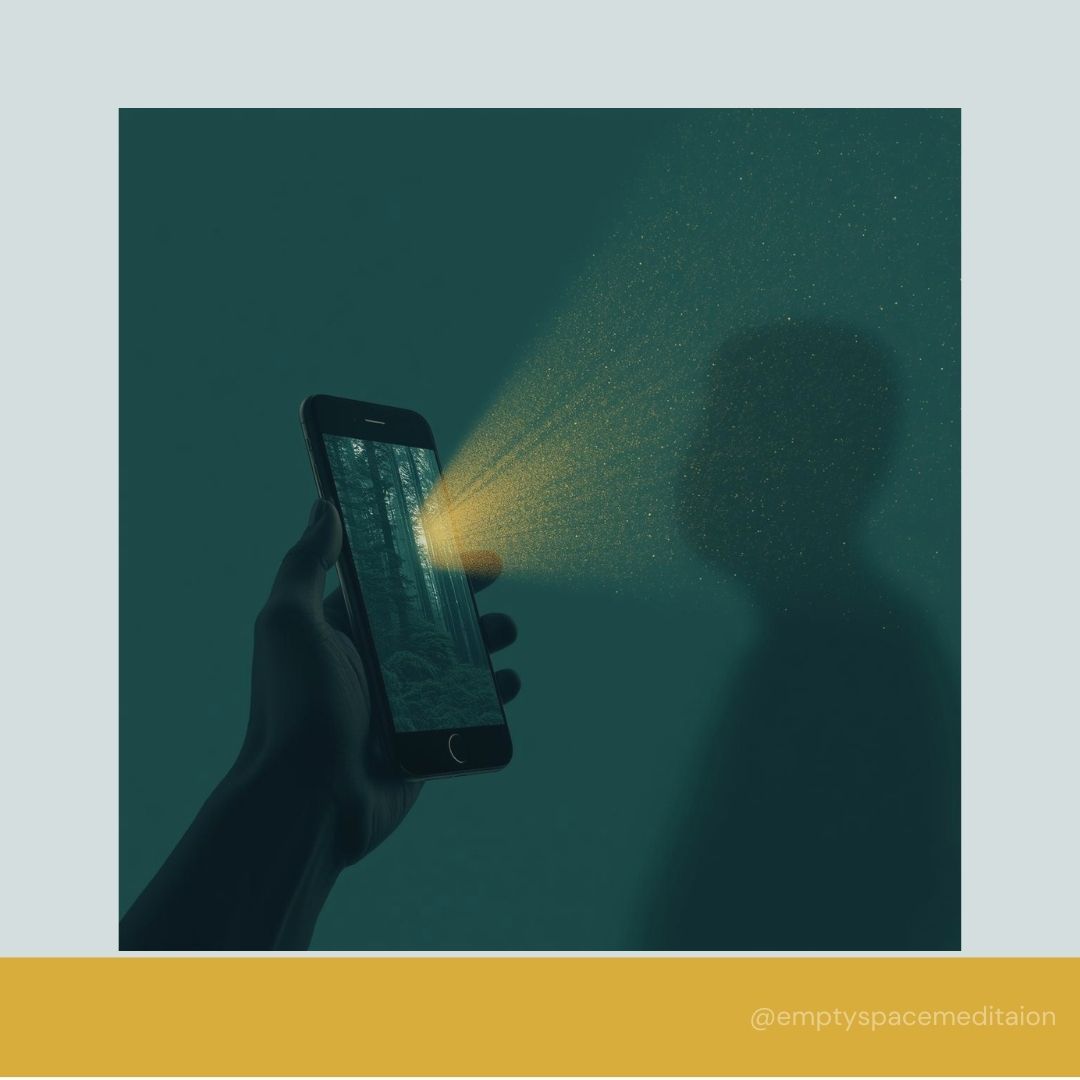
Johann Hari opens Stolen Focus with a precise claim: your attention didn’t collapse on its own. It was stolen — systematically, deliberately, by business models designed to extract it for profit. The tech companies building the platforms you use are not indifferent to whether you can concentrate. They are actively working to ensure you can’t, because fractured attention that keeps returning to the feed is more valuable than sustained attention that goes elsewhere.
Thich Nhat Hanh writes: “The most precious gift we can offer others is our presence.” That presence — the quality of being actually here, actually available, actually attending to the person or the moment in front of you — is exactly what the phone is designed to redirect. Not accidentally. By design. The scroll is engineered to interrupt. The notification is timed to pull you back. The algorithm surfaces whatever triggers the most engagement, and the most engaging emotion, as Derek Thompson has reported in The Atlantic, tends to be outrage.
So you are at dinner with your family and part of your attention is checking whether something happened. You are supposedly present with your children and part of your mind is in the feed. You are with your partner and the phone is on the table as a kind of standing reservation for whoever wants it next. The presence that Thich Nhat Hanh describes as the most precious gift is being continuously redirected toward a screen optimized for your engagement, not your wellbeing.
Amishi Jha at the University of Miami has studied attentional capacity under conditions of high demand and found something directly relevant: mindfulness practice protects and strengthens the exact capacity that digital technology is eroding. The ability to sustain attention, return to what matters, and resist the pull of distraction is a trainable skill. It is also one that constant connectivity is actively degrading.
Dan Harris describes anxiety as coming from the inability to dwell in the present moment. The phone doesn’t just distract — it trains the mind toward a permanent state of low-level alert. Something might have happened. Let me check. The practice runs in the opposite direction: nothing needs to happen. This moment is enough. That is available, but only when the phone is away.