Jack Kornfield quotes Aleksandr Solzhenitsyn, who wrote this from inside a Soviet labor camp: “If only it were all so simple! If only there were evil people somewhere insidiously committing evil deeds, and it were necessary only to separate them from the rest of us and destroy them. But the line dividing good and evil cuts through the heart of every human being. And who among us is willing to destroy a piece of their own heart?”
The sorting feels satisfying because it creates clarity. Criminal and citizen. Addict and normal person. Problem and those of us who don’t have that particular problem. But the line doesn’t run between people. It runs through people. All of us.
I have been on both sides of this line in the same day. Most people have, if they’re honest about it. The difference between someone with a record and someone without one is often not character — it’s circumstances, resources, who was watching, how the system decided to respond.
Pema Chödrön teaches: “Compassion is not a relationship between the healer and the wounded. It’s a relationship between equals. Only when we know our own darkness well can we be present with the darkness of others.” The people doing the most effective work in recovery spaces are almost always people who know their own darkness intimately. Not despite having been there. Because of it.
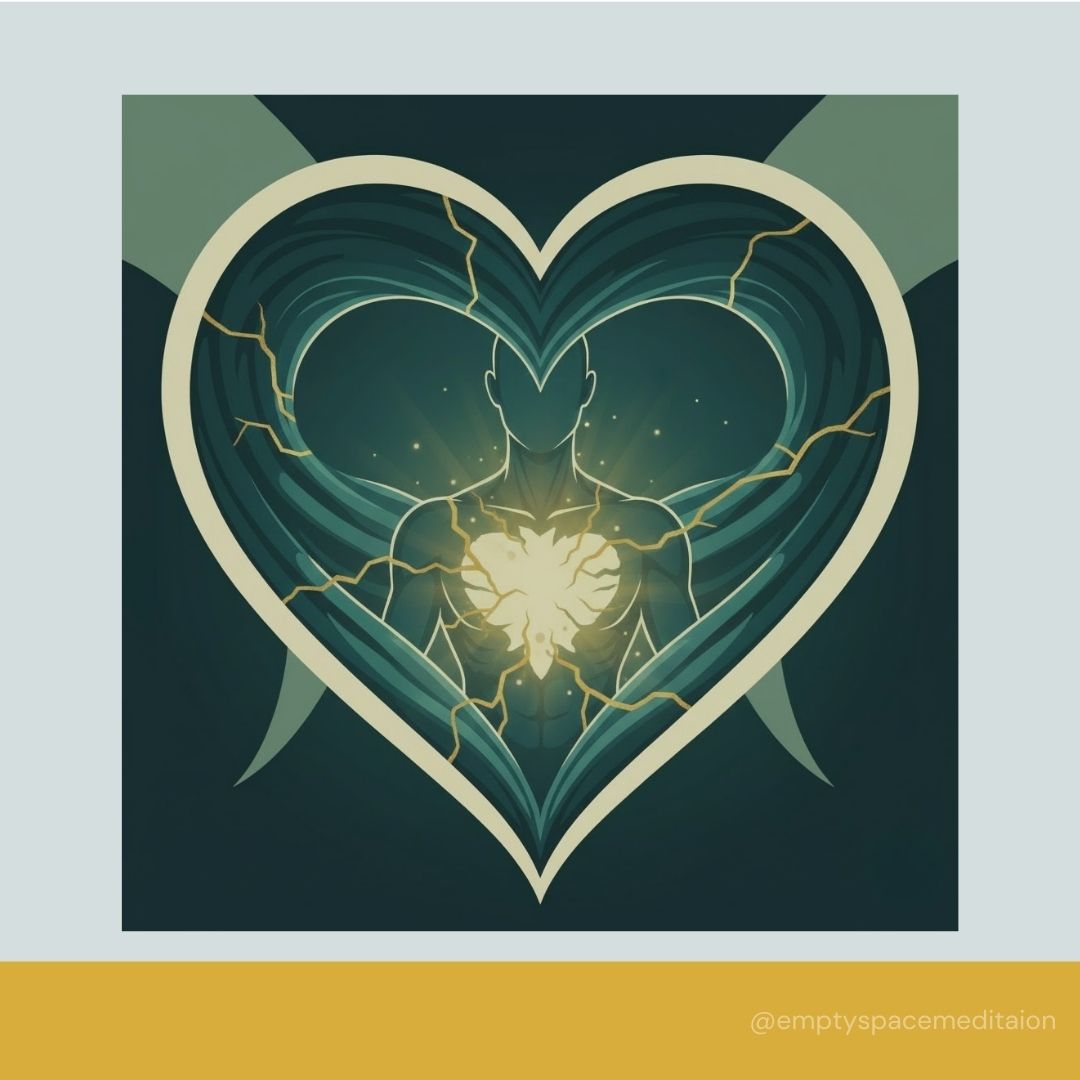
Bréné Brown’s research lands here too: “What we don’t need in the midst of struggle is shame for being human.” The line cuts through your heart. You’ve done harm. You’ve been harmed. Both are true. Holding both with compassion — for yourself and for the people who’ve hurt you — isn’t weakness or excuse-making. It’s the honest account of what human beings actually are.
Knowing that — really knowing it rather than just agreeing with it abstractly — is where genuine compassion for others begins. You can’t offer what you haven’t found in yourself first.