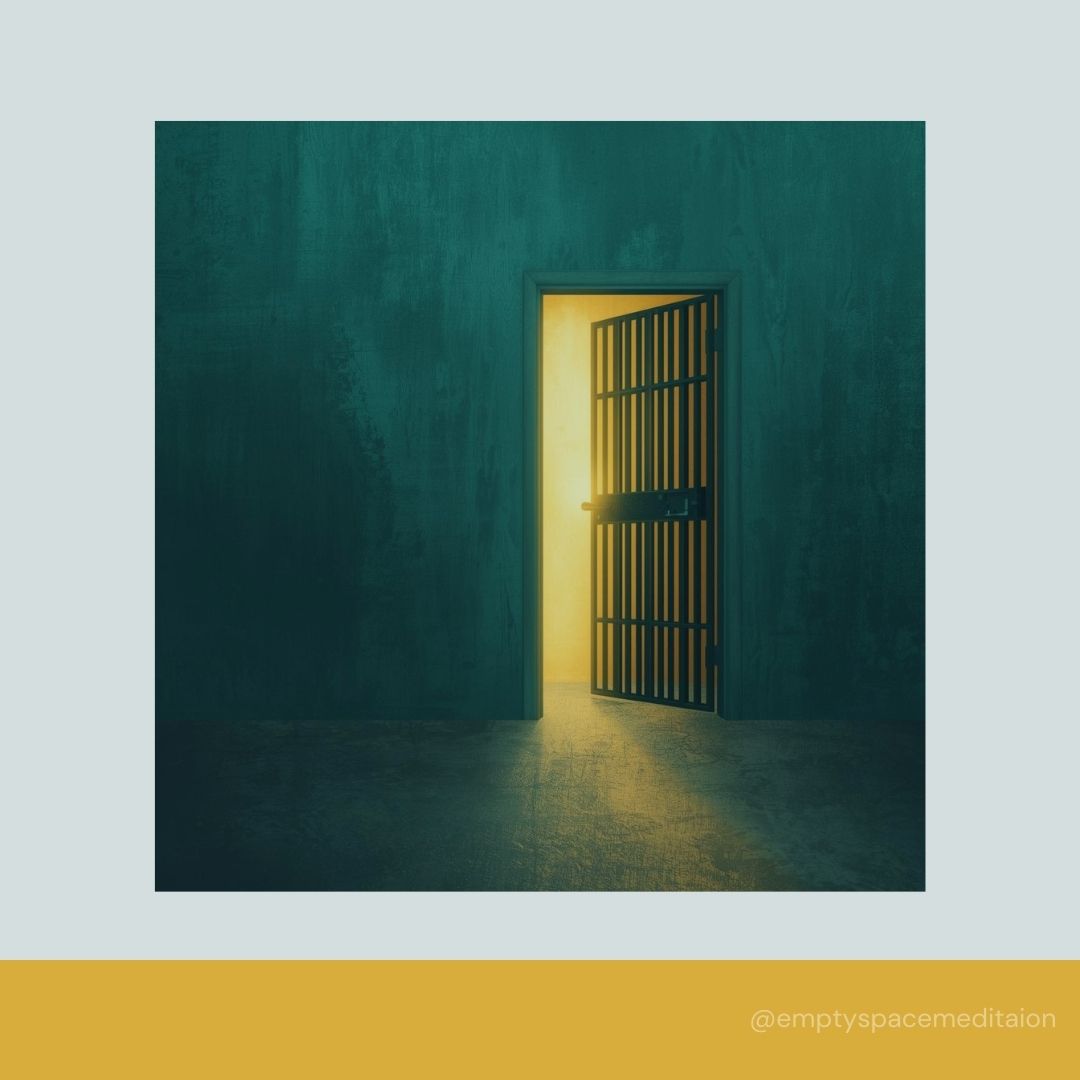
Solitary confinement: twenty-three hours a day in a concrete box. No meaningful human contact. No natural light in many facilities. For months. Sometimes years. Sometimes decades.
Dorsey Nunn helped end indefinite solitary confinement in California. Before his movement succeeded, the state was keeping people in these conditions with no fixed endpoint — the isolation extended based on classification decisions with almost no oversight or review.
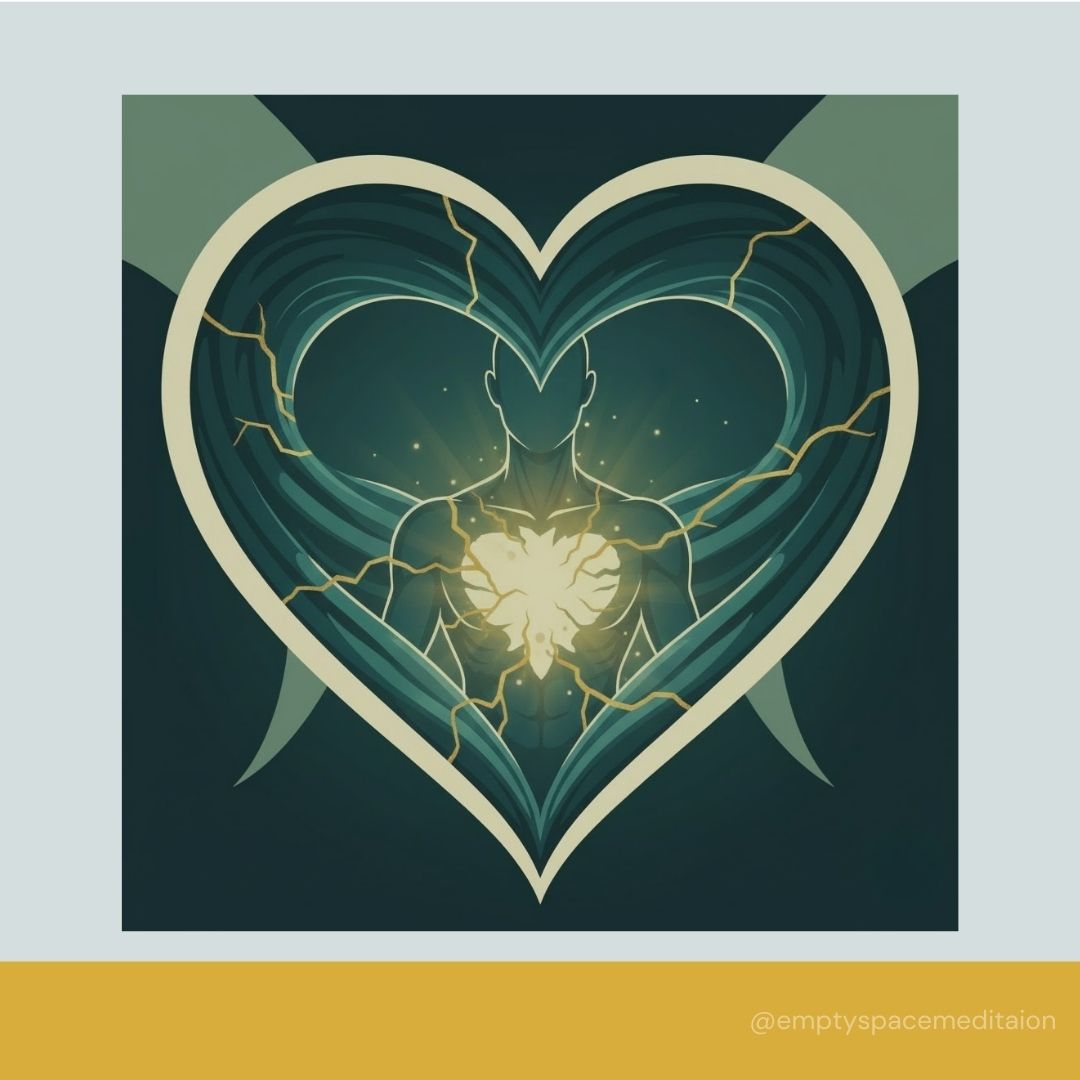
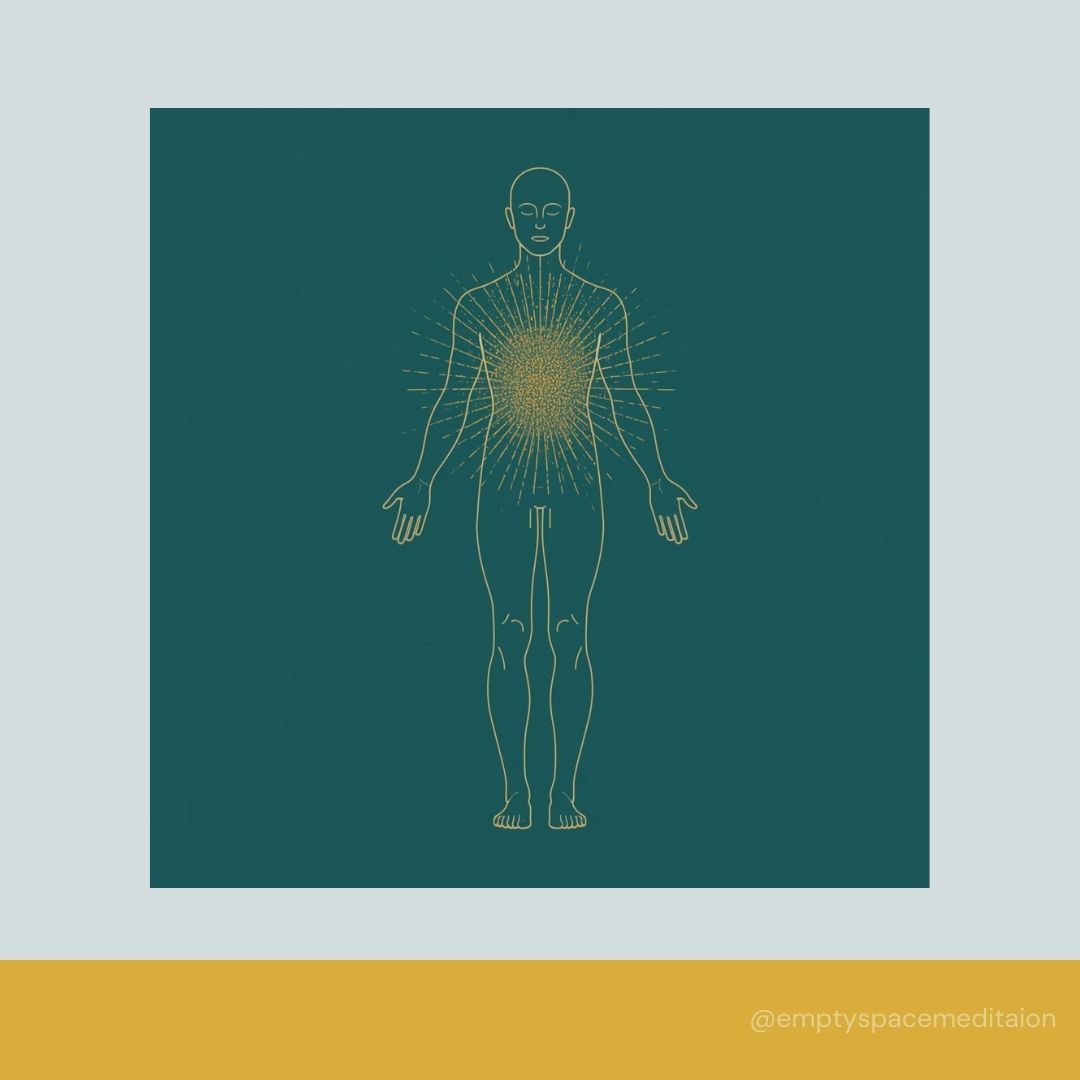
Bessel van der Kolk writes: “The terror and isolation at the core of trauma literally reshape both brain and body.” Solitary confinement is not incidentally traumatizing. It is specifically designed to create exactly those conditions. Total isolation. Removal of every source of human connection and sensory input. The nervous system running a threat response with nothing to orient it, no social feedback, no human presence.
Sharon Salzberg writes about loving-kindness as “the ability to see past the surface to the common humanity.” Solitary confinement is the institutional opposite of this — it operates by removing every condition that makes common humanity visible. The person in the box has no opportunity to demonstrate anything to anyone. They are simply held, in conditions that compound whatever drove them there.
Thich Nhat Hanh teaches: “When another person makes you suffer, it is because he suffers deeply within himself, and his suffering is spilling over.” We release people from solitary — having subjected them to years of designed suffering — and then express confusion when their suffering spills over into their communities. The causality is not mysterious.
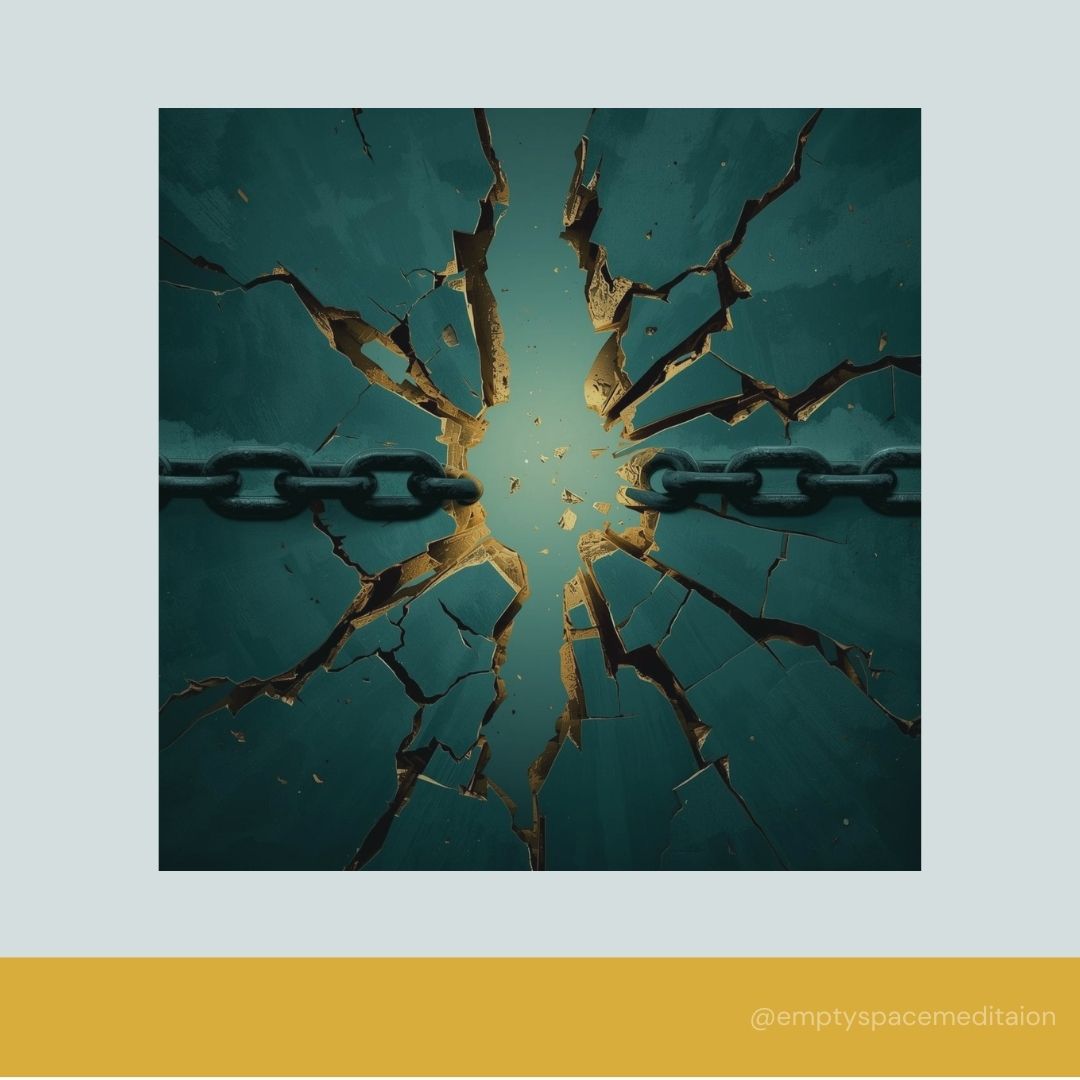
Dorsey understood this from the inside. His work — ending indefinite solitary, advancing Ban the Box, building All of Us or None — rests on a single premise: you cannot torture people into being better. You can traumatize them more severely, compound what brought them there, and release them carrying wounds that will ripple outward for decades. Or you can recognize that healing requires safety, connection, and the experience of being seen as human. Not as a reward. As a starting condition.