Thich Nhat Hanh writes: “Life is available only in the present moment.”
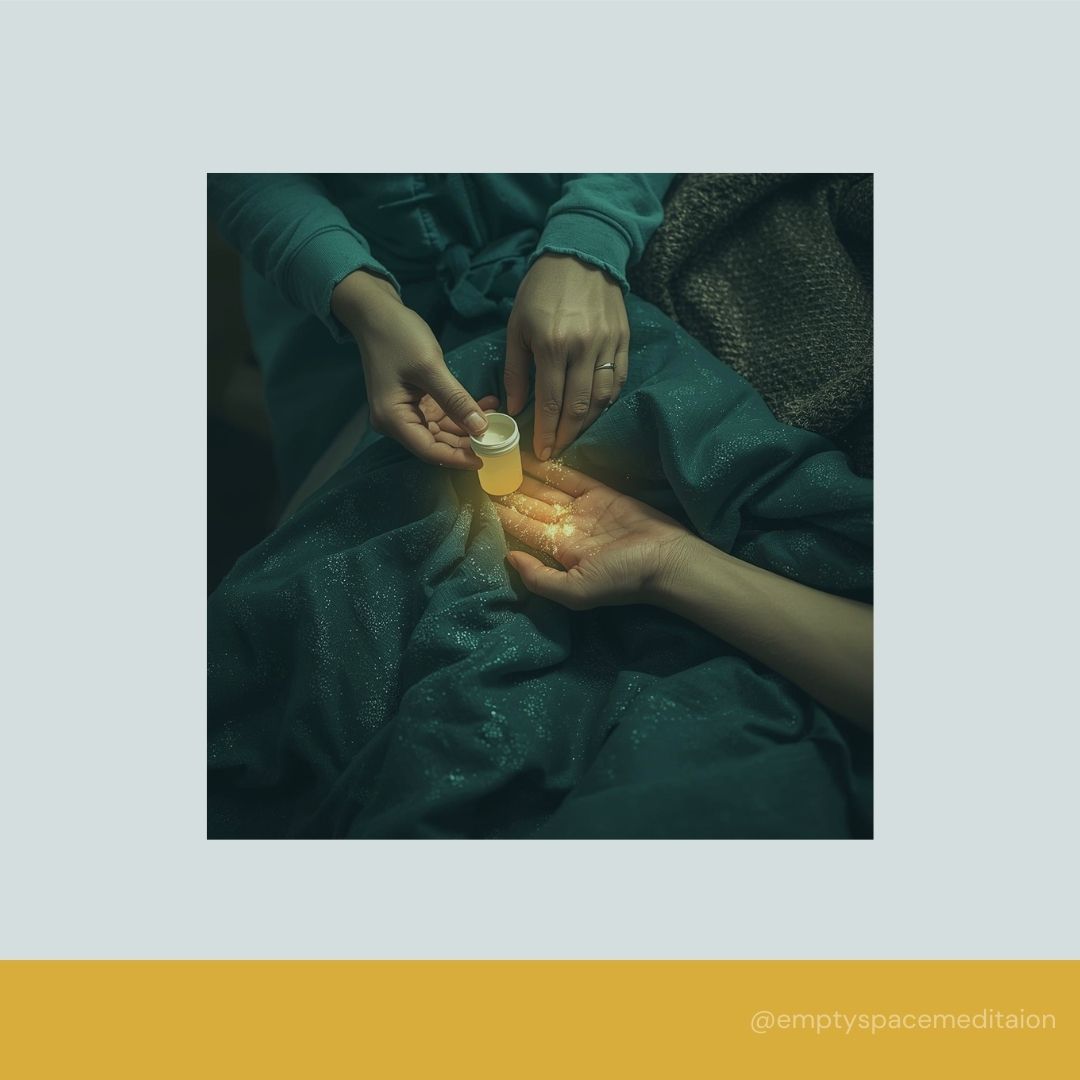
Even this one. The one where you’re changing an adult diaper. The one where you’re explaining for the fifteenth time today why her daughter can’t come right now — and watching the confusion and the fear cross her face, again. The one where you’re watching someone you love lose the thread of who they are, incrementally, irreversibly, and there is nothing you can do about it except be there.
I sat with this during the years I was caregiving for my father and my stepmother Judy. My father’s emphysema took his breath slowly. Judy’s dementia took her memory. Neither process had a clean arc. There were good days and terrible ones, moments of recognition and moments of complete confusion. The only real question I faced, over and over, was whether I could be actually present for what was happening rather than spending the visit in anticipatory grief or future planning or the management of my own distress.
Thich Nhat Hanh teaches: “Breathing in, I calm body and mind. Breathing out, I smile.” You may not be able to smile while changing a diaper or redirecting a dementia-related crisis for the fourth time in an afternoon. But you can breathe. That one breath — conscious, intentional, returned to — is presence. It is not nothing. Over the course of a caregiving day, those breaths accumulate into the only form of self-care that doesn’t require you to leave the room.
Dan Harris describes anxiety as coming from the inability to dwell in the present moment. Caregiving generates future-oriented anxiety almost continuously — what happens next, what happens when this gets worse, what happens when I can no longer manage this alone. The practice of returning to the present moment is not denial of those realities. It’s the recognition that the future hasn’t arrived yet, and right now there is this moment, this person, this breath.
Amy Goyer, whose work at AARP has focused on sustainable caregiving, writes about finding pockets of presence even in the hardest days. Not by escaping the reality. By being fully inside it, for moments at a time, without the overlay of everything else.
One breath. This moment. That’s all, and it’s enough.