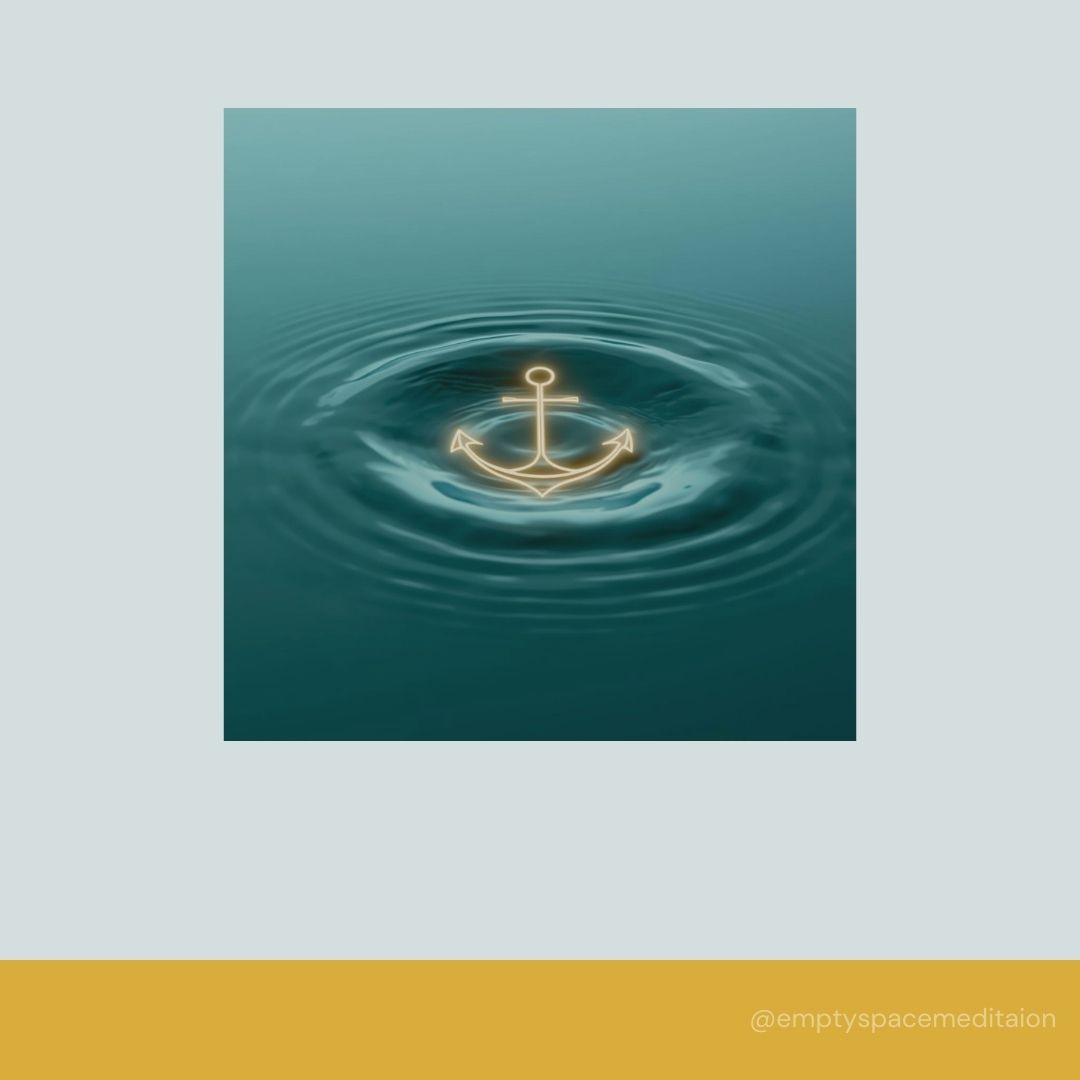
Thich Nhat Hanh writes: “Feelings come and go like clouds in a windy sky. Conscious breathing is my anchor.”
I learned emergency breathing as a Navy Hospital Corpsman. In acute crisis — trauma, shock, acute stress response — people forget to breathe. Or they breathe in a way that makes everything worse: short, shallow, high in the chest, which activates the sympathetic nervous system and accelerates exactly the state you’re trying to manage. Part of our training was teaching people to breathe when their body was convinced that breathing was optional.
It turns out the same principle applies in every meeting where someone criticizes your work. In every traffic jam. In every conversation that starts turning in a direction you didn’t expect. Your breath tells the truth about your state — it tightens before you’ve consciously registered the threat, shallows out when you’re suppressing something, stops briefly in the moment of a shock. And returning consciously to the breath changes the state, not because breathing is magic, but because the breath is the one physiological process that runs both automatically and voluntarily, which makes it a lever between the involuntary and the chosen.
When everything feels out of control — and there are periods in any human life when a great deal actually is out of control — your breath is the one thing you can return to. Not control. Return to. That distinction matters. You’re not trying to breathe your way out of grief or breathe away legitimate anger. You’re anchoring yourself in the present moment so that whatever you do next comes from presence rather than panic.
Mark Epstein, a psychiatrist who has written extensively about the intersection of Buddhism and psychotherapy, describes meditation as building “the capacity to not know, to be comfortable with uncertainty.” The breath is what makes that comfort possible. When you can return to the breath in the middle of not knowing, you have something to stand on while the ground is moving.
Thich Nhat Hanh’s instruction is simple: “Breathing in, I calm body and mind. Breathing out, I smile.” You don’t have to believe in anything. You don’t have to have achieved any level of practice. The breath is always already there, always already available, always free.
Three conscious breaths. That’s the whole practice when you need it. In through the nose, out through the mouth, and for those three breaths, you’re exactly where you are.