Bessel van der Kolk writes in The Body Keeps the Score: “The terror and isolation at the core of trauma literally reshape both brain and body.” Not metaphorically. The architecture of the nervous system changes. The body learns threat patterns faster than conscious thought can intervene.
This is why insight alone doesn’t heal trauma. I spent years being quite articulate about my history. I could trace the patterns and explain the causality. And I could still be completely hijacked by a tone of voice, a specific quality of silence, a configuration of circumstances my nervous system recognized as dangerous even when my prefrontal cortex knew it wasn’t.
Van der Kolk is specific: “The most important challenge in recovering from trauma is learning to regulate oneself.” Not understand yourself — regulate yourself. The two are different skills. Regulation happens through the body: breath, movement, rhythm, the slow patient practice of teaching the nervous system that the emergency is over.
Mark Epstein, in The Trauma of Everyday Life, writes that “the willingness to face traumas — be they large, small, primitive, or fresh — is the key to healing from them.” Not the willingness to understand them. The willingness to face them — which means being present with what the body is holding rather than explaining it from a distance.
Rick Hanson at UC Berkeley’s Greater Good Science Center offers the science underneath this: “The mind can change the brain.” Neuroplasticity means the nervous system is not fixed at the point of trauma. Through practice — through repeated, patient return to breath, to body, to presence — different patterns can be laid down. Not overnight. Not without discomfort. But the biology supports it.
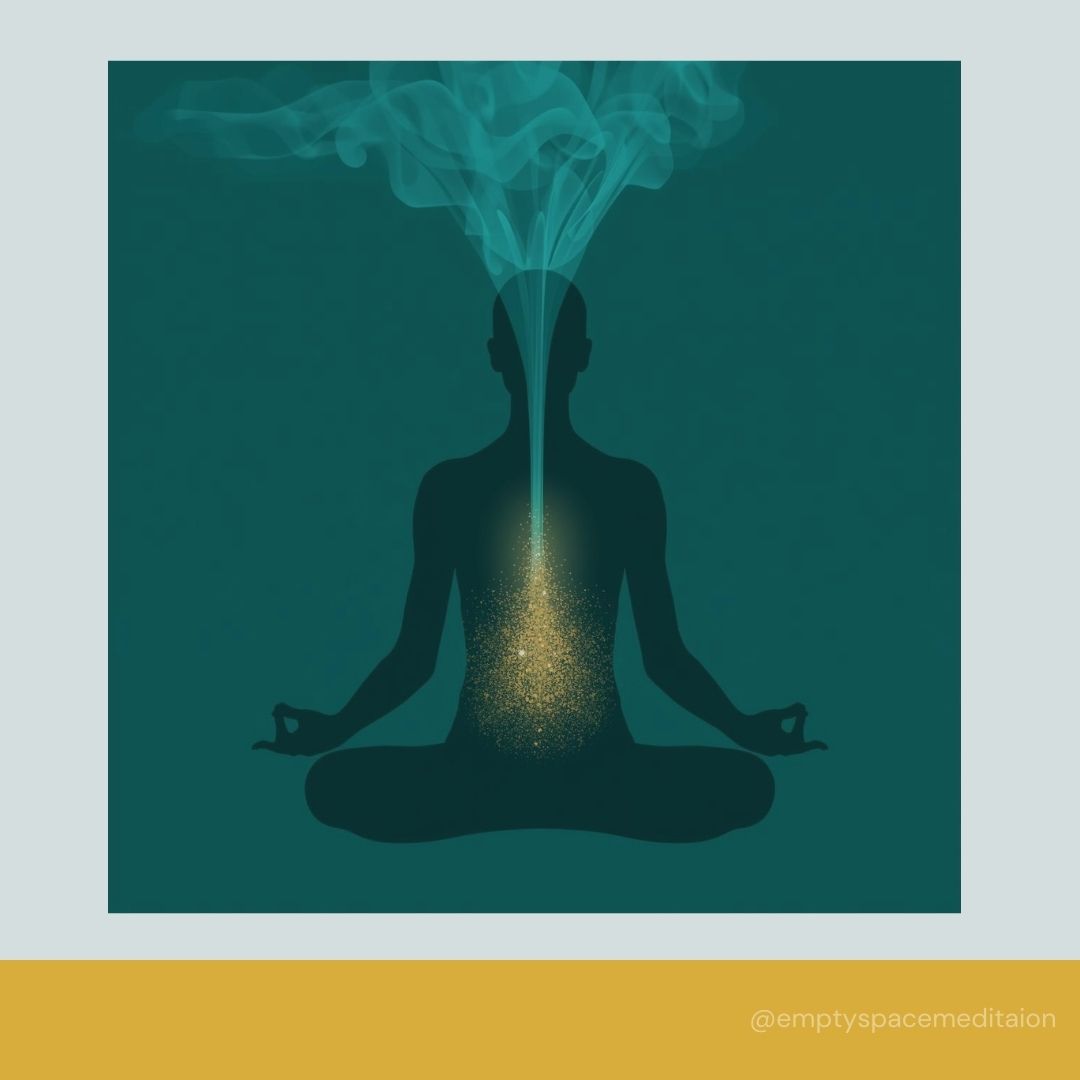
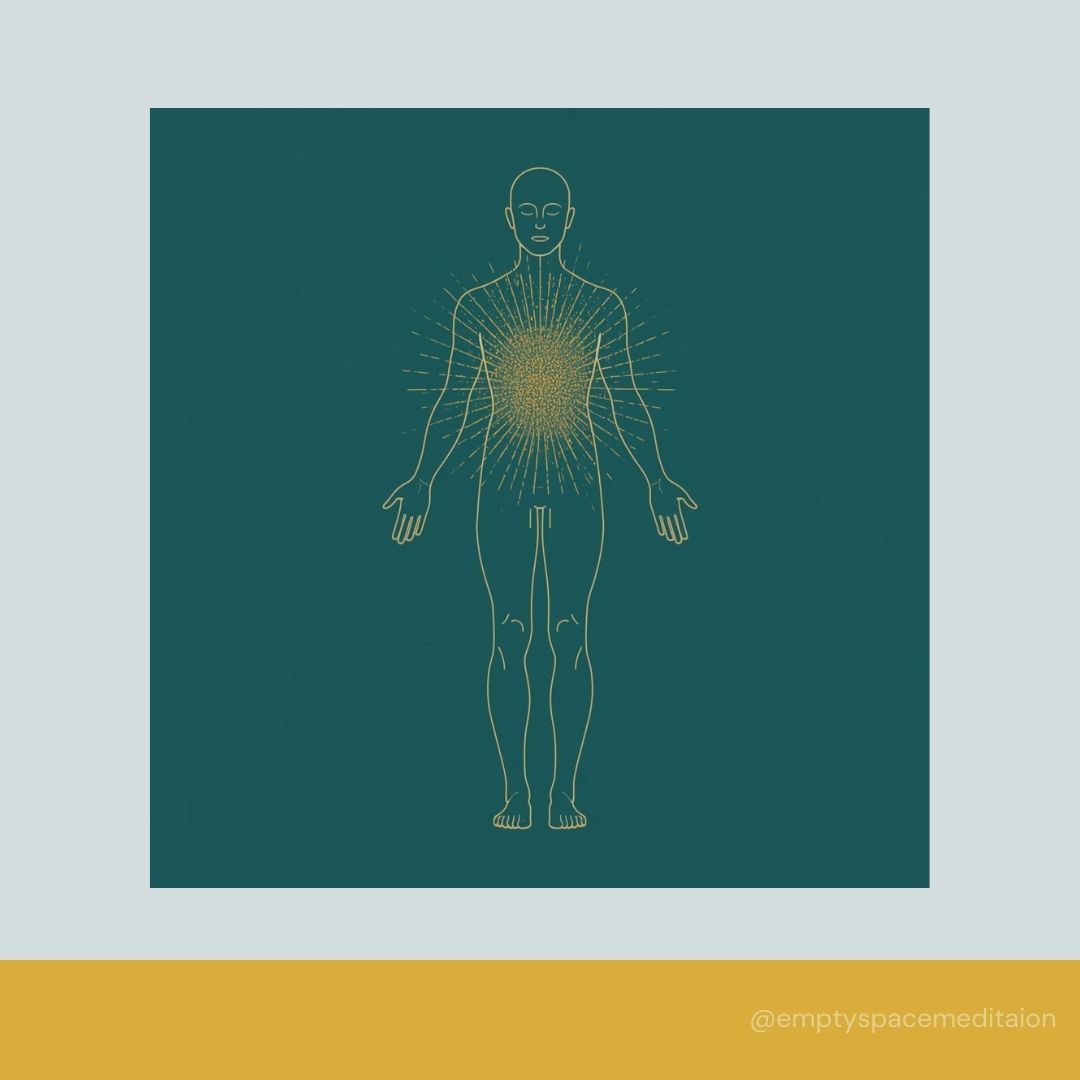
When I started sitting in meditation seriously — without a drink, without anywhere to go — body memories surfaced that I hadn’t known I was carrying. Tightness in my chest. A clenching in my jaw. A low-level bracing I’d been living inside of so long it had stopped registering as information. That was the body keeping score, exactly as van der Kolk describes.
The body knows. Learning to listen to it without running from what it knows — that’s the practice.