Bessel van der Kolk writes: “The most important challenge in recovering from trauma is learning to regulate oneself.” Not understand yourself — regulate yourself.
This distinction took me a long time to fully grasp. I had insight. I could explain my patterns, trace the causality, describe what had happened and roughly why I responded the way I did. And I could still be completely hijacked in the moment — the nervous system firing before conscious thought had any say, the old response running before I’d even registered the trigger. Insight is retrospective. The regulation needs to be learned at the level where the dysregulation is happening.
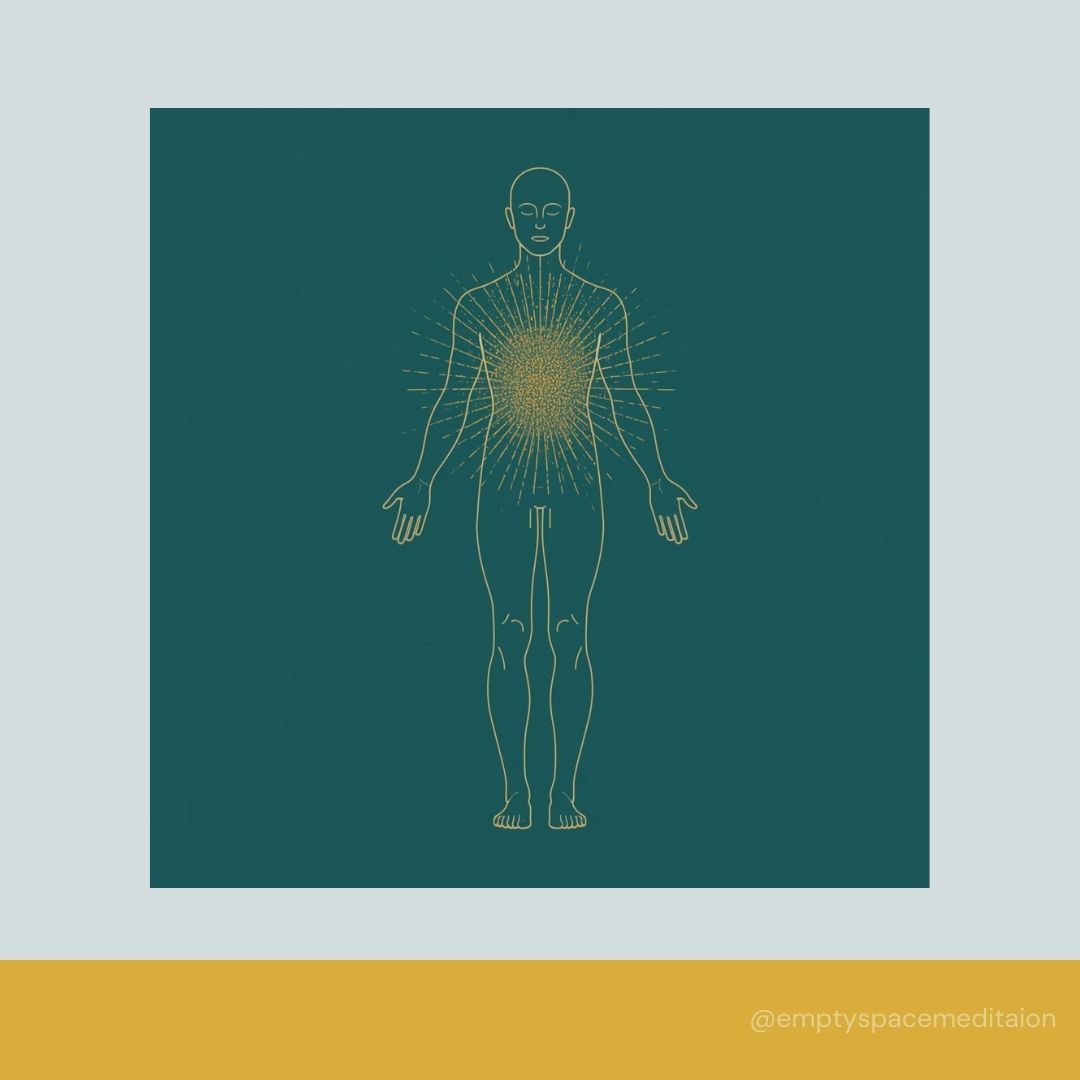
Van der Kolk is specific about what actually works: “We can activate this innate capacity by utilizing breath, touch, movement, and rhythmical engagement with fellow human beings.” Things that bring you back into your body and create, through repetition, a different relationship between your nervous system and what it perceives as threatening.
Amishi Jha at the University of Miami has studied this in military populations — people who cannot afford vague wellness benefits. Her findings are specific: consistent mindfulness practice measurably improves the capacity to be with difficult internal states without being run by them. That’s not a side effect of feeling calmer. It’s a direct, trainable skill.
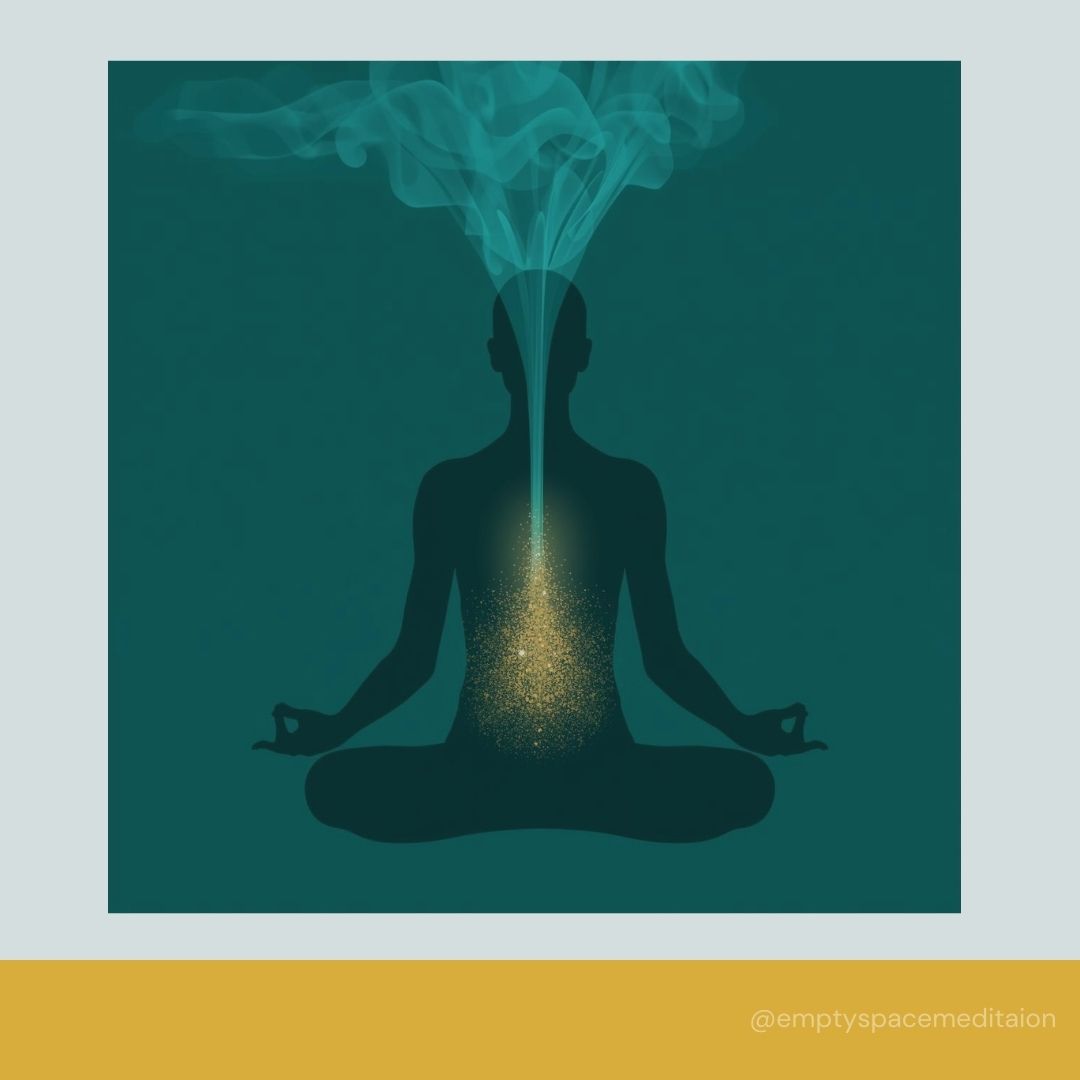
As a Navy Hospital Corpsman, I learned emergency breathing — how to bring someone back into their body when their nervous system was in acute crisis. Short, shallow, high-chest breathing activates the sympathetic nervous system and accelerates exactly the state you’re trying to manage. Conscious return to the breath changes the state. Not because breathing is magic — because the breath is the one physiological process that runs both automatically and voluntarily. It’s the lever between the involuntary and the chosen.
Three conscious breaths. That’s the practice when you need it most. Not a cure. A return. Repeated enough times, across enough hard moments, it builds something the trauma never could: the reliable knowledge that you can come back from the edge.