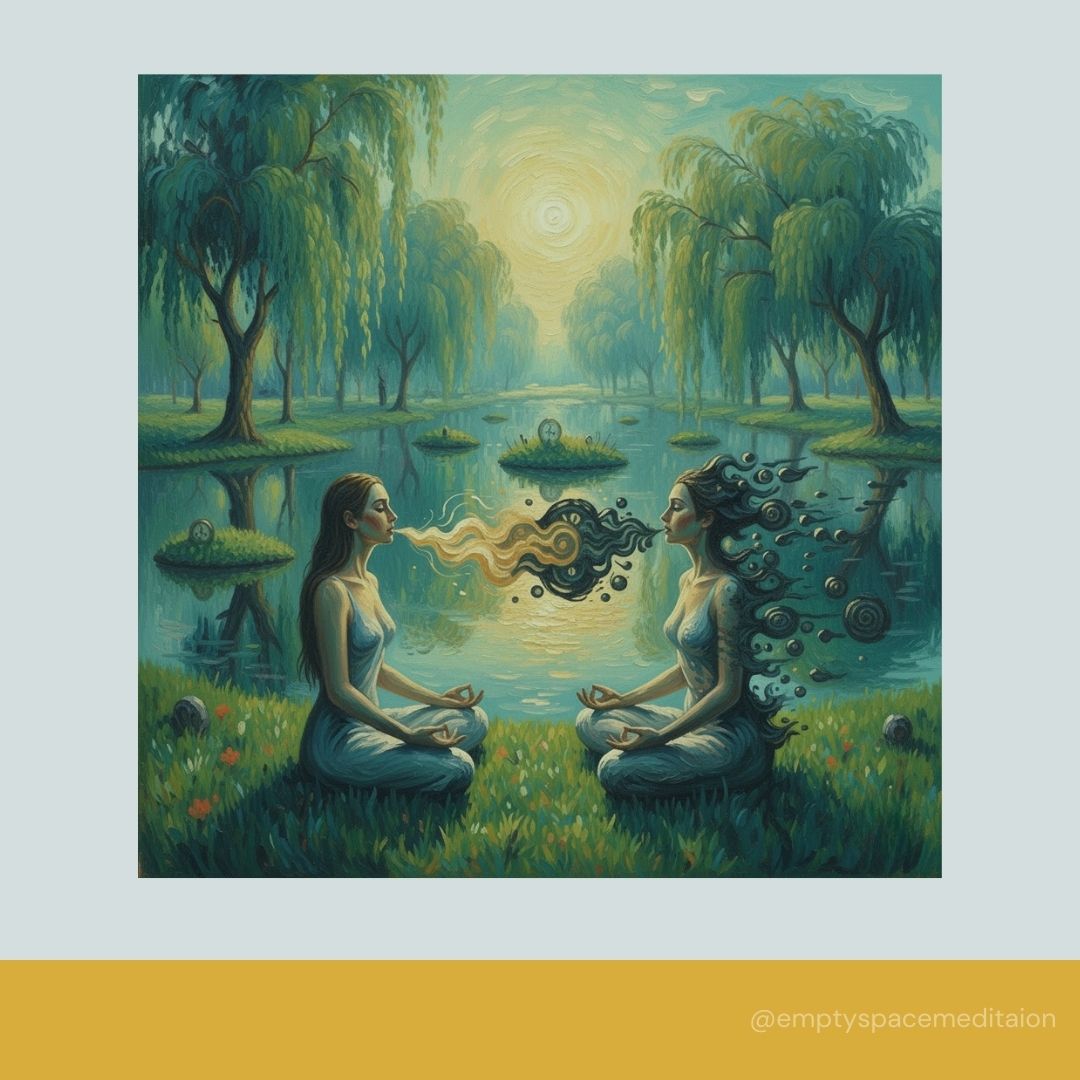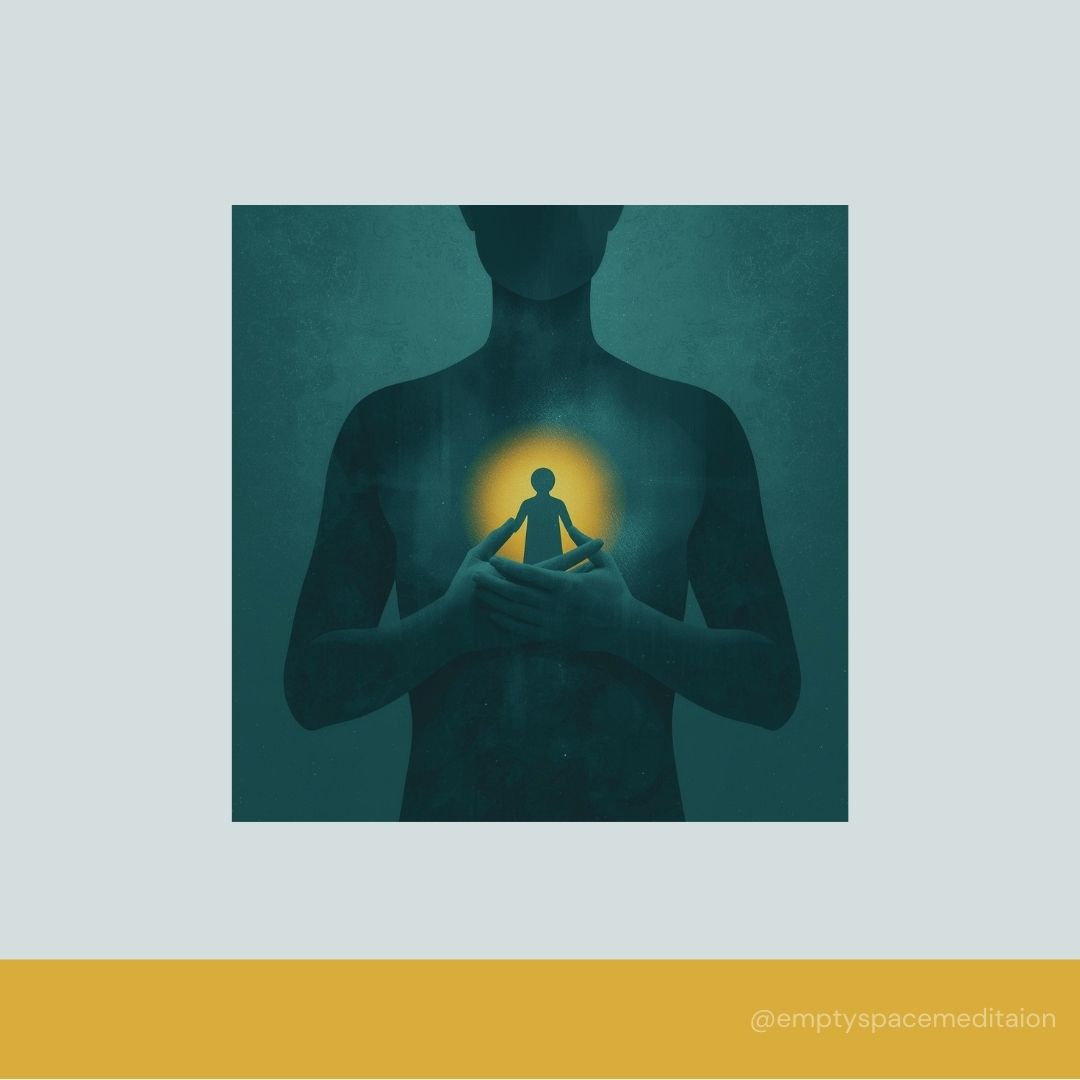
Bréné Brown writes: “Shame corrodes the very part of us that believes we are capable of change.”
There is a distinction worth sitting with: guilt says I did something bad. Shame says I am bad. Guilt can motivate — it connects behavior to values and creates the possibility of doing differently. Shame paralyzes. When the belief is that something is fundamentally wrong with you — not with what you did, but with who you are — there is no path forward. Change requires the belief that change is possible, and shame corrodes exactly that.
Children who grow up in environments where shame is the primary disciplinary tool learn to internalize this distinction in the wrong direction. They learn that their behavior is not separate from their identity — that mistakes don’t mean “I did something wrong,” they mean “I am wrong.” That conviction, carried into adulthood without examination, becomes the invisible floor of a life that keeps hitting it.
Mark Epstein, in Thoughts Without a Thinker, makes a point that meditation makes practically accessible: you can learn to see thoughts as thoughts, not as facts and not as identity. The thought “I am fundamentally defective” is a thought. It has a history, a context, a specific set of conditions that produced it. It is not a verdict on ultimate reality. Meditation practice — specifically the repeated noticing of thoughts without immediately identifying with them — builds the ability to observe that thought rather than live inside it.
Kristin Neff’s self-compassion research adds the relational dimension: treating yourself with the same kindness you’d offer a friend in similar circumstances. If a friend told you they had done something harmful and felt terrible about it, you would probably help them distinguish between the act and their worth as a person. You would not confirm that they were irredeemably defective. You can learn to offer yourself the same response — not as self-excuse, but as the specific kind of attention that makes actual change possible.
The UCSD Center for Mindfulness teaches that self-compassion is a trainable skill. UC San Diego’s research shows it can be built through practice like any other capacity. You are not what you did. You did things. Some of them caused harm. Those things can be owned, examined, made right where possible — and they do not constitute the final word on your worth. You were worthy before them. You are worthy now.