I've done them all. Fought when I should have listened. Run when I should have stayed. Frozen when I should have moved. If you asked me which was my default, I'd tell you all three — sometimes in the same afternoon.
As a Navy corpsman, my nervous system was trained for a very specific purpose: keep yourself and your people alive. A corpsman is the medic and, to some extent, the emotional shock absorber for their unit. React fast, analyze later. Don't process feelings in the moment — there's no time for that. Stay functional. Stay calm on the outside even when everything in you is screaming.
Those instincts served me well in the Navy. They were exactly what was needed. The problem is that instincts don't get a memo telling them the context has changed. They don't know that the emergency is over. I got out of the Navy and my nervous system kept doing its job — reading threat where there was none, staying hypervigilant in perfectly ordinary situations, going from zero to activated in about two seconds when someone raised their voice in a meeting.
Civilian life doesn't need a combat-ready nervous system. It needs something the Navy never trained me for: the ability to respond instead of react. The ability to pause between the trigger and what comes next.
Meditation didn't fix my nervous system overnight. It didn't erase the conditioning of years of high-stress service, or the drinking I used for years afterward to manage what that conditioning had done to me. But it gave me something I never had before: that gap. That microsecond — sometimes it grew to several seconds, occasionally longer — between the thing that triggered me and what I did about it.
"Am I actually in danger right now, or is my body just remembering when I was?"
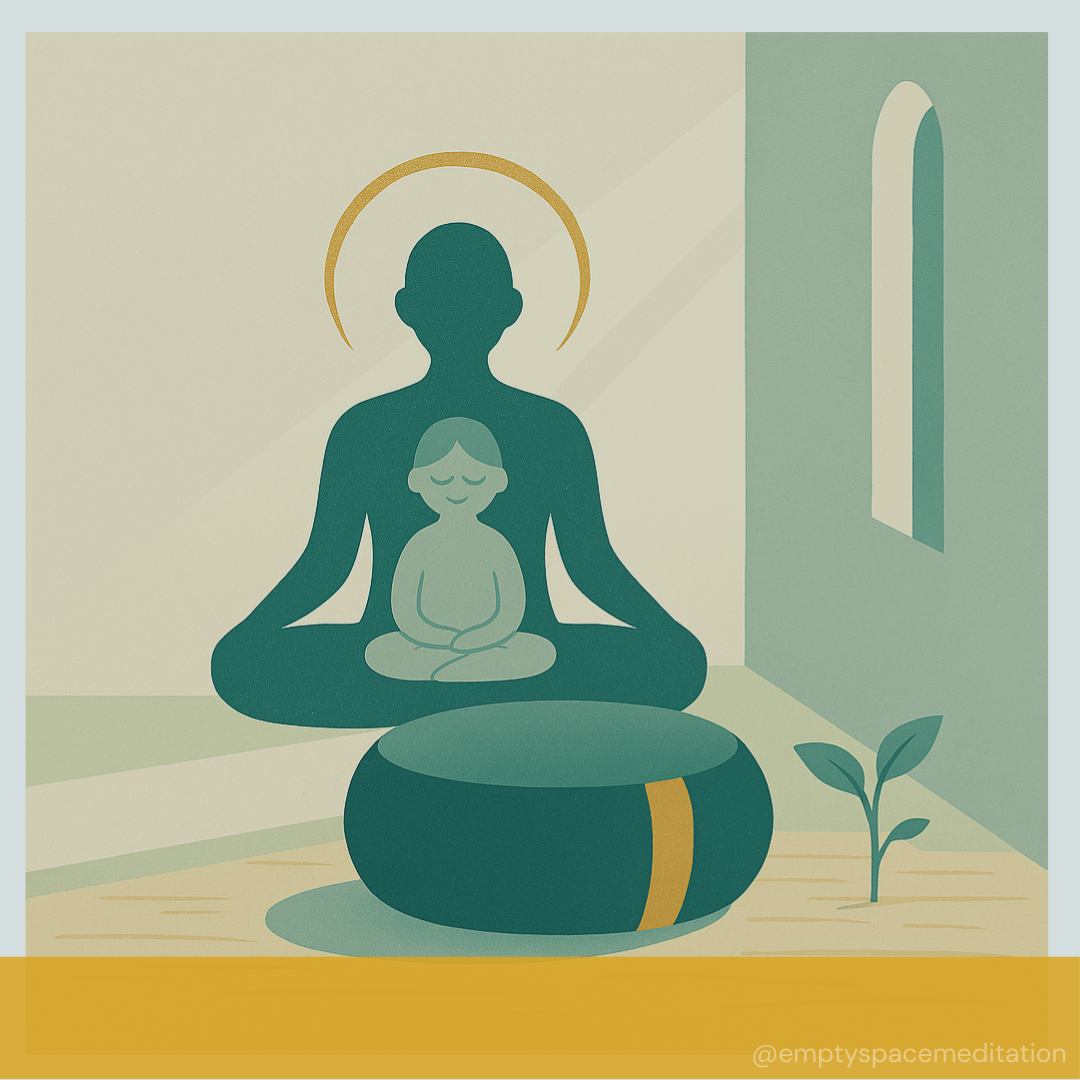
That question changed everything. Not because it's profound — it's actually quite simple. But because asking it requires enough awareness to notice that you're activated before you've already acted. That noticing, that brief window of "wait, what's happening in my body right now," is the whole ballgame. That's where choice lives.
The meditation teacher Tara Brach, who trained me at Banyan, talks about this as the difference between being caught in a trance and waking up from it. The trance is the automatic, conditioned response — the nervous system doing its thing without your conscious participation. Waking up is noticing the trance is happening. You can't always stop the trance. But you can get better at recognizing it faster, and choosing something different once you do.
What actually helps is consistency over intensity. Sitting five minutes every single day is more valuable than sitting sixty minutes once a week. Not because five minutes is transformative on its own, but because you're training the habit of turning inward. You're building the muscle of noticing what's happening inside before reacting to what's happening outside.
Accountability matters here too — not as pressure but as reality check. When someone who knows you asks "Did you pause before reacting today," they're not grading your performance. They're holding up a mirror. Some days the answer is yes and you want to tell them about it. Some days the answer is "I tried and failed and here's exactly what happened." Both conversations are valuable. Both move the needle.
Fight, flight, freeze — those responses kept our ancestors alive. They might even keep you alive someday. But in the ordinary course of a human life, most of what triggers them isn't actually dangerous. It just feels that way to a nervous system that hasn't gotten the update.
That's what meditation gives you: the update. One breath at a time.