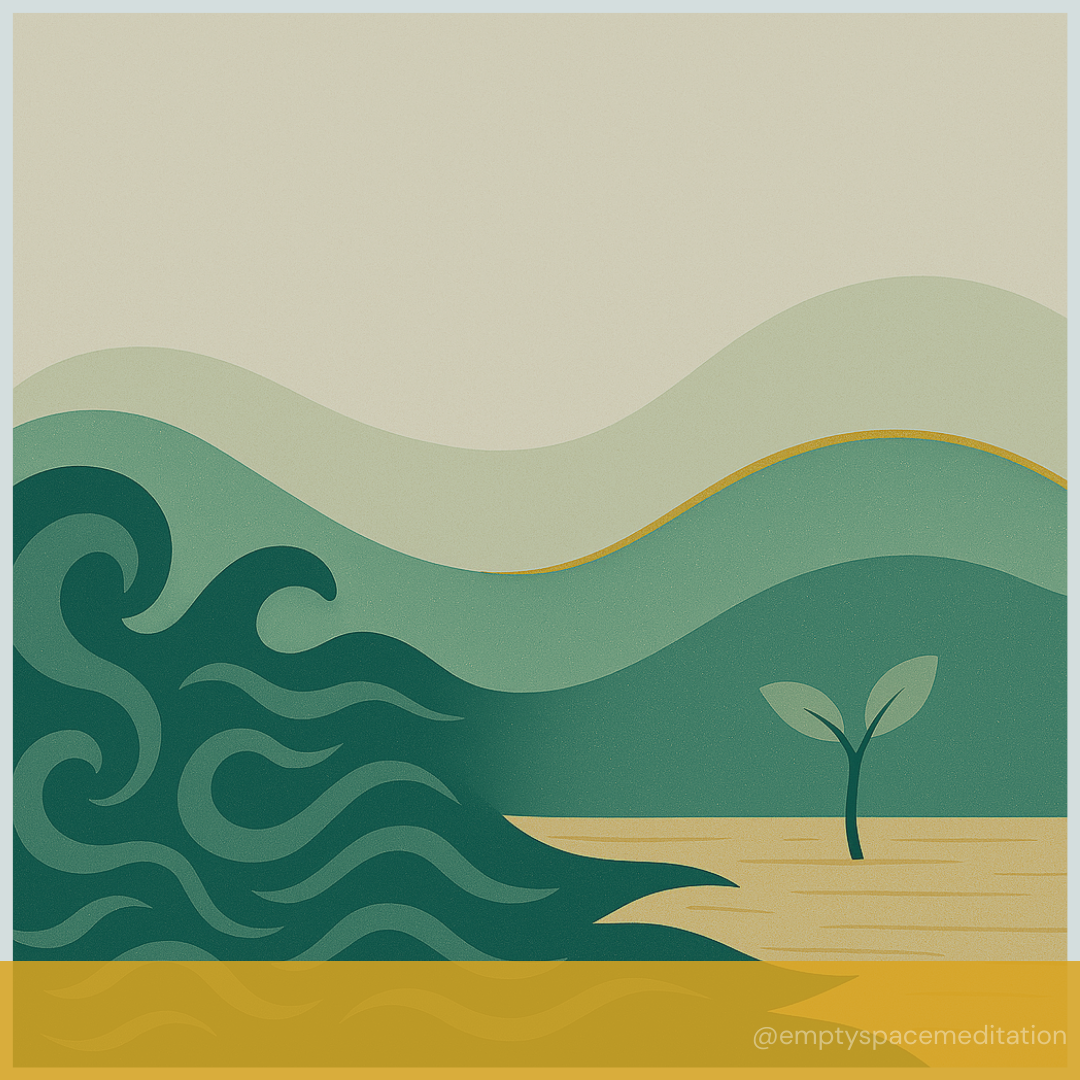
Freezing kept me safe as a kid. If you made yourself invisible — didn't speak up, didn't move, didn't draw attention — you reduced the chance of getting hurt. It was adaptive. Smart, even, in the context where I developed it. The freeze response was a useful strategy for a child who couldn't leave.
Then I joined the Navy and learned a different kind of freeze. The professional version. Stay calm under pressure. Don't show fear. Function through anything. As a Hospital Corpsman you're expected to be the steady one — the medic and unofficial emotional anchor for your unit. You carry people's fear so they can function. You freeze the feelings so your hands can keep working.
I got very good at this. High-performing, capable, useful to everyone around me. Also: completely disconnected from my own inner life. That's also where I really started drinking — because the professional freeze has a cost, and alcohol was my way of paying it at the end of the day so I could get up and do it again tomorrow.
What nobody tells you is that you can get out of the Navy, stop being a corpsman, leave the context that created the freeze — and still be frozen. The freeze doesn't know you've moved on. Your nervous system is still waiting for the next emergency. You're still performing "fine" while something underneath is braced for an impact that isn't coming.
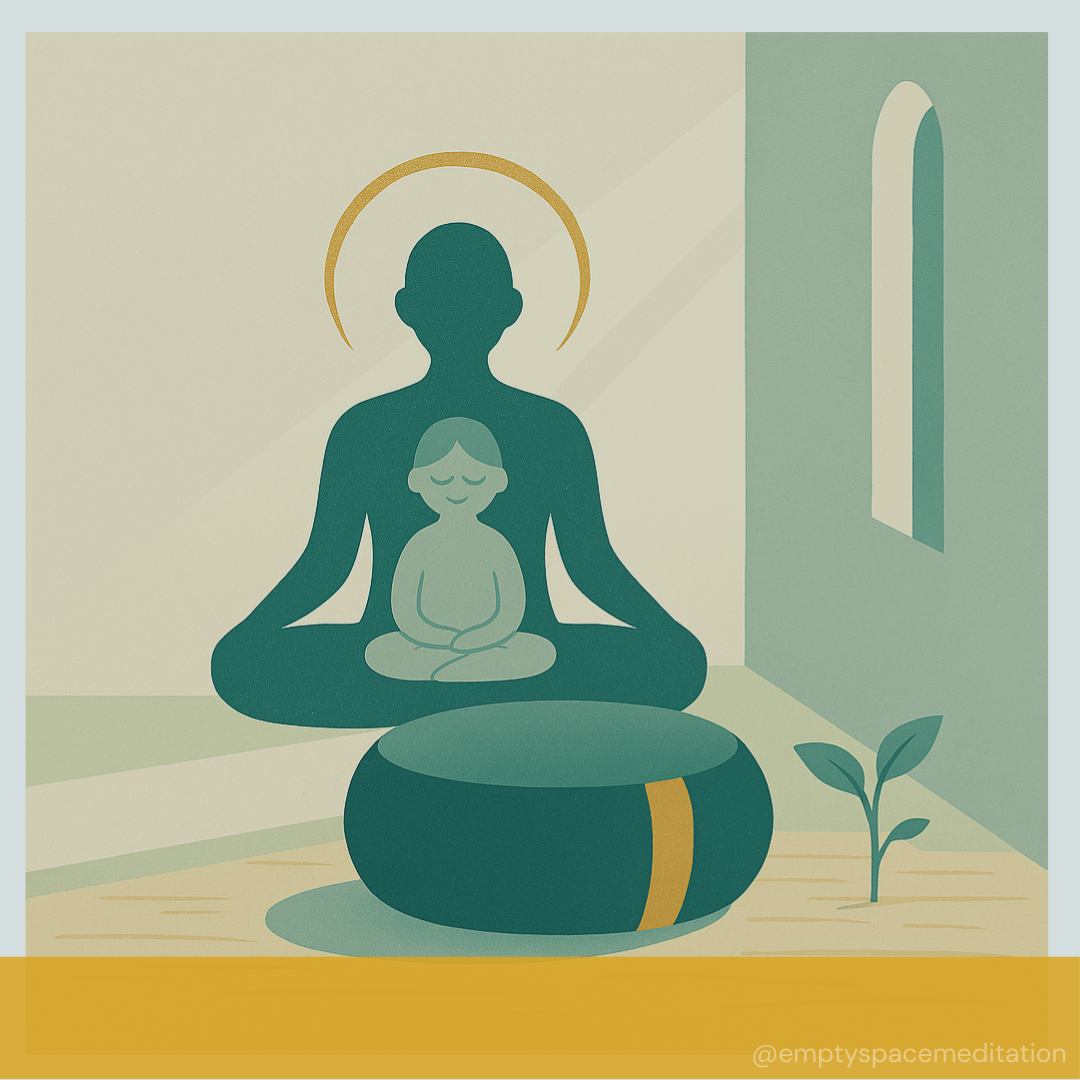
I started seriously meditating about ten years after I left the Navy. And the first thing that happened — not immediately, but over months — was that I realized I was still frozen. Just functioning while doing it. The meditation didn't thaw me immediately. But it showed me I was stuck. And there's something important in that: you cannot move out of a pattern you can't see. Awareness comes first. Change follows awareness, not the other way around.
The accountability piece matters here in a specific way. The freeze is invisible from the inside. You feel fine because "fine" is the default setting — it's been trained in so deeply that it reads as normal. What you need is someone on the outside who notices when you've gone numb. When you're performing your way through a conversation rather than actually present in it. Someone who asks "How are you actually doing?" and waits — really waits — for the real answer, not the one that lets you both off the hook.
The meditation practice that helps isn't the dramatic kind. It's the boring, quiet kind: sitting still long enough to notice where you're holding your breath. Where your shoulders are already tensed for something that hasn't happened yet. Where you've stopped feeling your feet on the floor. The body keeps score, as they say — and the freeze leaves its marks in the body's bracing, the shallow breath, the held jaw.
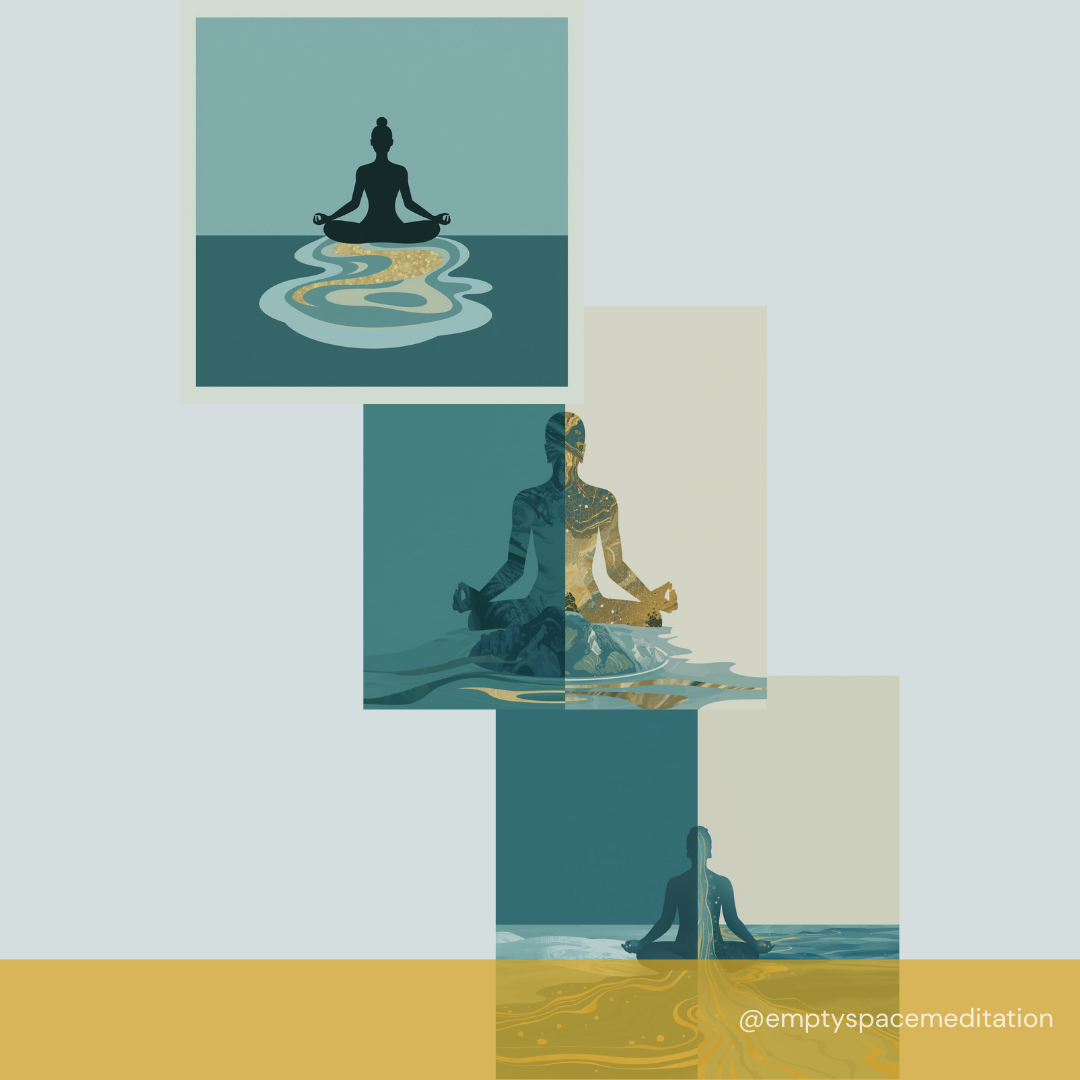
One breath, consciously released, is not a cure. But it's a beginning. It's the practice of noticing you're frozen — and that noticing, repeated enough times over enough mornings, eventually loosens something.
You can't move until you know you're frozen. That's the paradox, and that's the starting point.