I can make you laugh about anything. Give me a painful situation, an awkward silence, a room full of tension — I'll find the line that breaks it. It's a genuine skill and I'm not apologizing for it.
But for most of my life, it was also a defense. Growing up in a house where things could turn unpredictable without warning, I learned early: if you can make someone laugh, you buy yourself time. You shift the atmosphere. You turn a potential threat into an audience. The scared kid figured out that being funny meant being safe, at least temporarily, at least enough.
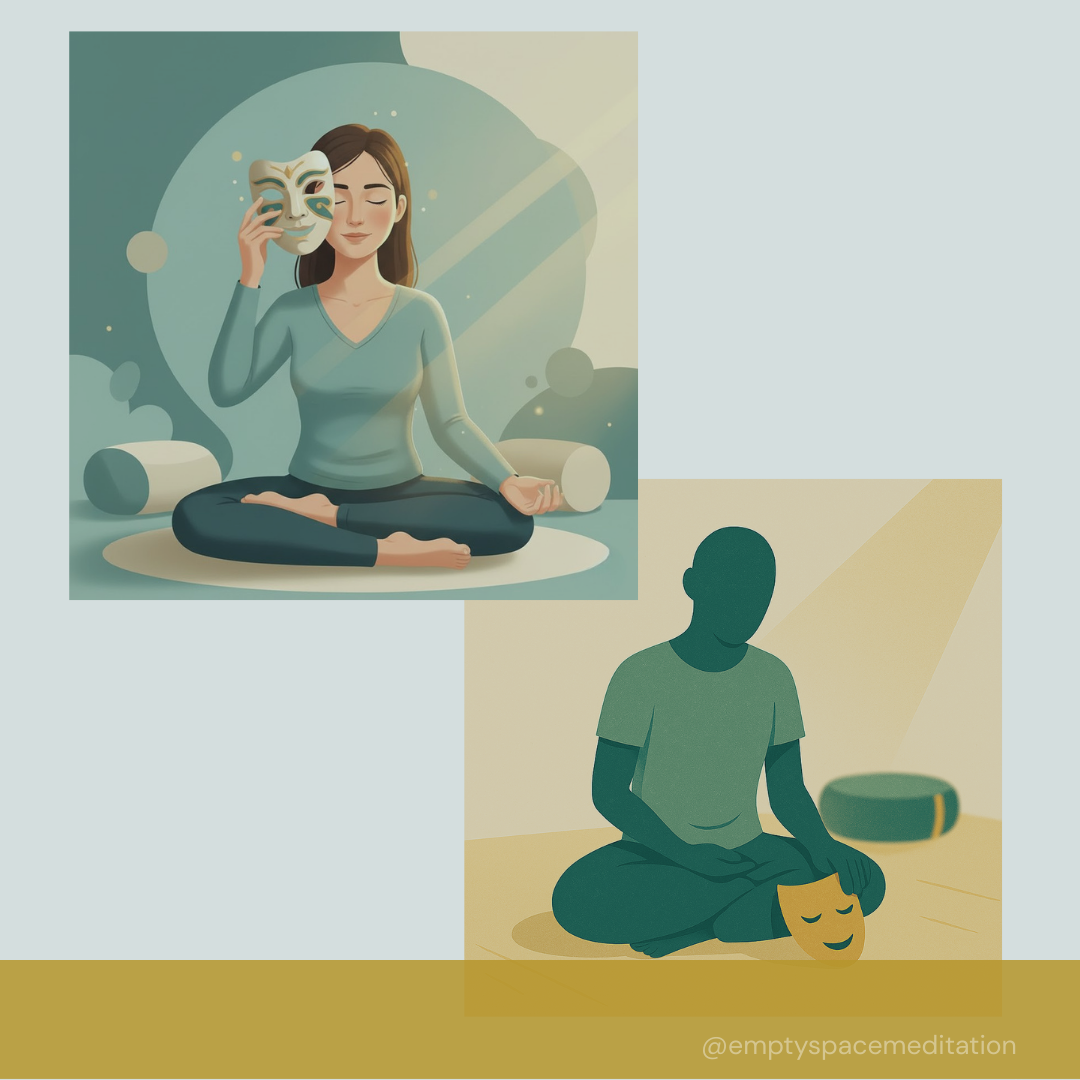
That lesson gets deep-wired fast. By the time I left adolescence, the humor was automatic — reflex-level quick. Bad news? Punchline. Confrontation? Deflection with a joke. Anything real, anything that felt vulnerable? Light it up before someone else could. Keep it moving so nobody looks too long at what's underneath.
The military rewarded this, and so did corporate America afterward. Funny people are likable. Likable people get promoted. Likable people don't get examined too carefully. For decades, the strategy paid off in all the ways you can measure externally, while costing exactly what you'd expect internally.
Meditation was the first place I encountered that didn't need the performance. You sit down, you close your eyes, there's no audience. The part of your brain that monitors how you're coming across in the room goes quiet, or tries to — and underneath it, the actual interior life you've been managing around for years starts to surface.
That's uncomfortable. I want to be honest about this: the first times I sat with real stillness and let the performance layer drop, what came up was not enlightenment. It was a tired, scared person who'd been working very hard for a very long time to seem okay. It took a while before sitting with that felt anything other than bleak.
What made it sustainable was having a witness who didn't need me to be funny about it. Someone who could hear "I sat today and I cried and I don't really know why" without trying to cheer me up or fix it or move us quickly to something more comfortable. The willingness to just be with the real experience, named plainly, witnessed without drama — that's what changed the relationship between the performance and the person underneath.
You don't have to be funny in meditation. You don't have to manage anything. The cushion doesn't need you to seem okay. What comes up gets to come up, exactly as it is, without an audience to play to.
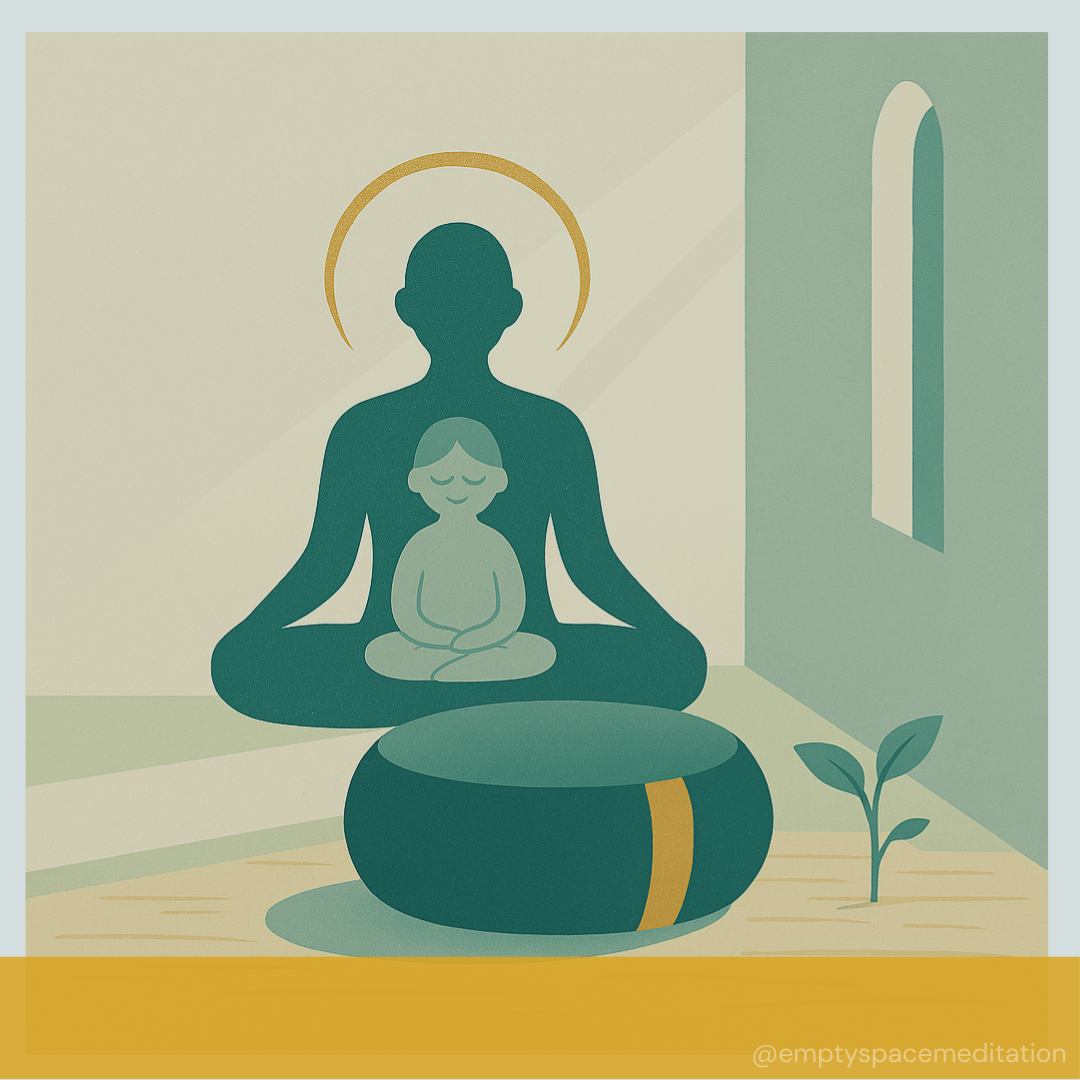
The scared kid is still in there. But he gets to put down the act sometimes now. That's the practice.