Kindness is not a virtue you can practice on a screen. I’ve thought about this a lot, because I used to think it was. I used to believe that commenting supportively on someone’s post, or sharing something meaningful, or sending a thoughtful message — that these counted. They can be kind acts. But they are not kindness practice in the sense that actually builds the capacity.
Real kindness — the kind that changes you and the other person — requires presence. It requires being with someone when you’re tired or frustrated or would rather be somewhere else, and choosing to stay anyway. It requires patience with their pace, which may not match yours. It requires tolerating the discomfort of genuinely not knowing what they need and having to ask.
Johann Hari’s Lost Connections returns to this again and again: the conditions that actually sustain human wellbeing are largely about being known and valued by other people in ongoing, reciprocal relationships. Not followers. Not reactions. Not any metric that a platform could show you. The boring, irreplaceable texture of actually being in each other’s lives.
Krista Tippett has spent two decades on On Being demonstrating what it sounds like when someone is genuinely curious about another person’s inner life — when they ask real questions and wait for real answers and don’t try to redirect the conversation toward their own experience. That quality of attention is what kindness in practice actually looks like. It’s rare enough to be striking. It’s learnable. And it’s built in real encounters, not digital ones.
Meditation’s contribution to this is indirect but real. The practice of sitting with your own discomfort without immediately trying to fix or escape it builds the same capacity that kindness requires: tolerance for the full range of another person’s experience, including the parts that are uncomfortable for you. You can’t hold space for someone else’s grief or frustration or confusion if you can’t hold space for your own.
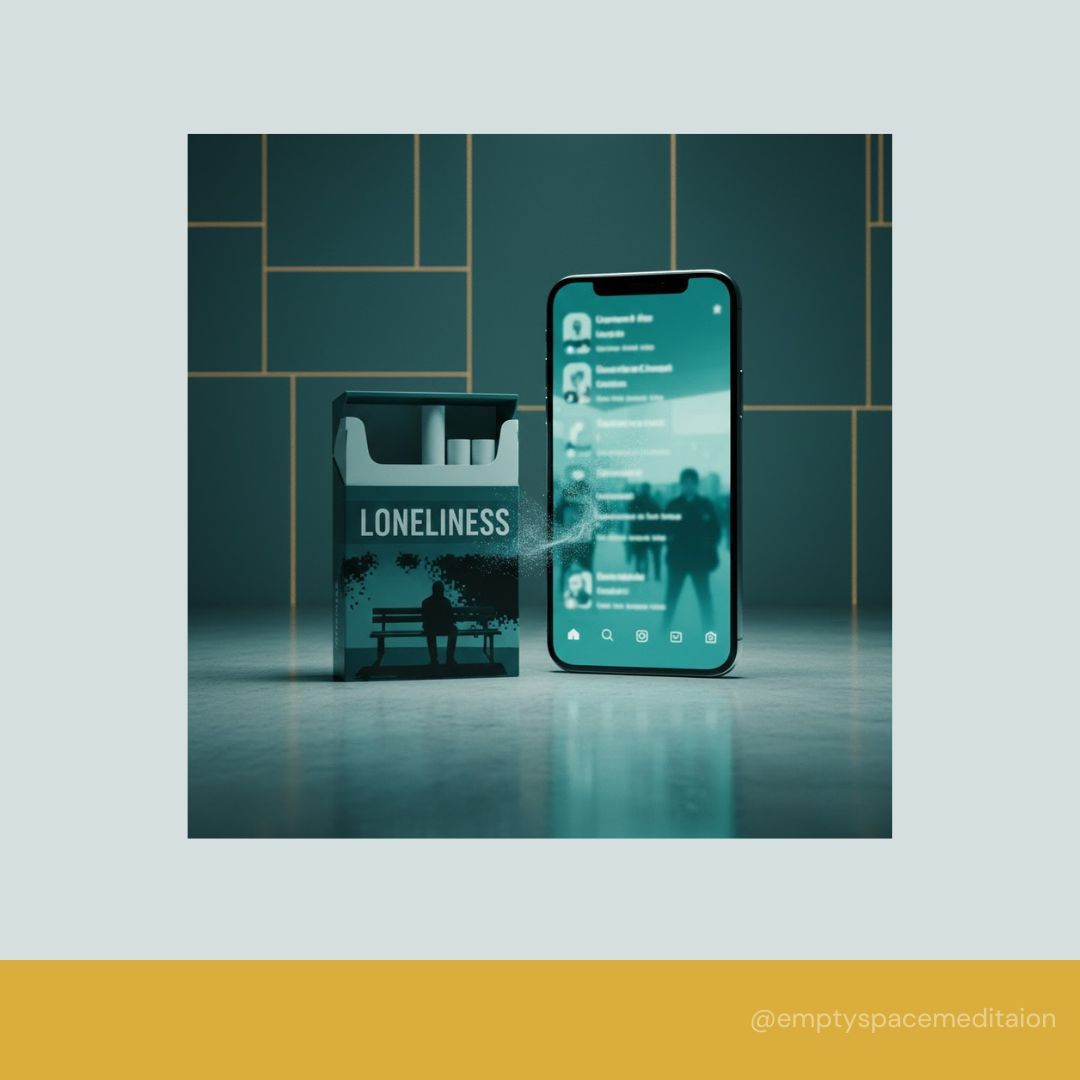
Put the phone down. Be with someone in a way that costs you something. That’s what kindness is made of.