The algorithm doesn’t want you informed. That’s not what it’s for. It wants you engaged — which is a completely different thing. Engagement means time on platform. Rage keeps you scrolling. Outrage drives clicks. Fear makes you come back to check again. The product isn’t information. The product is your attention, sold by the hour to advertisers.
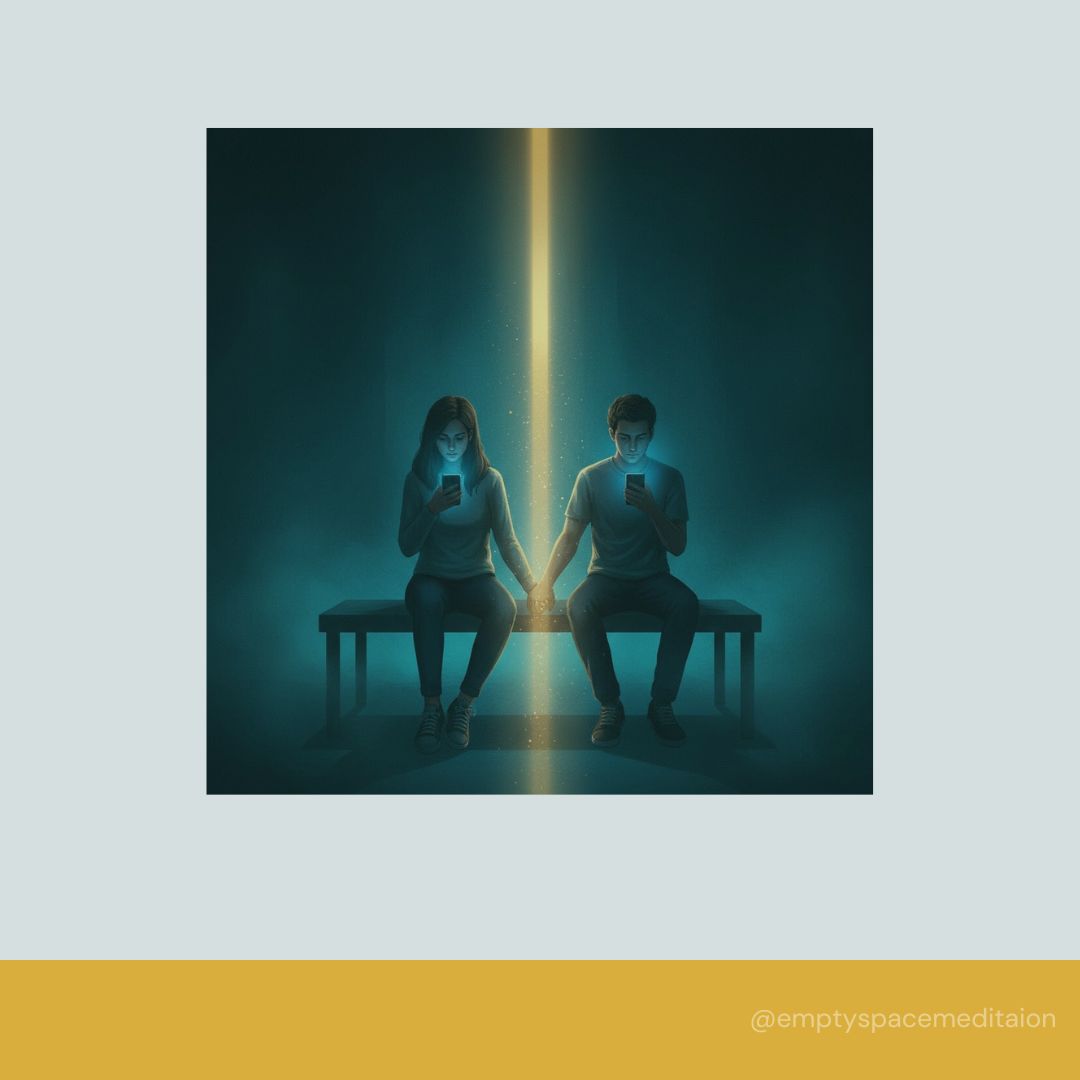
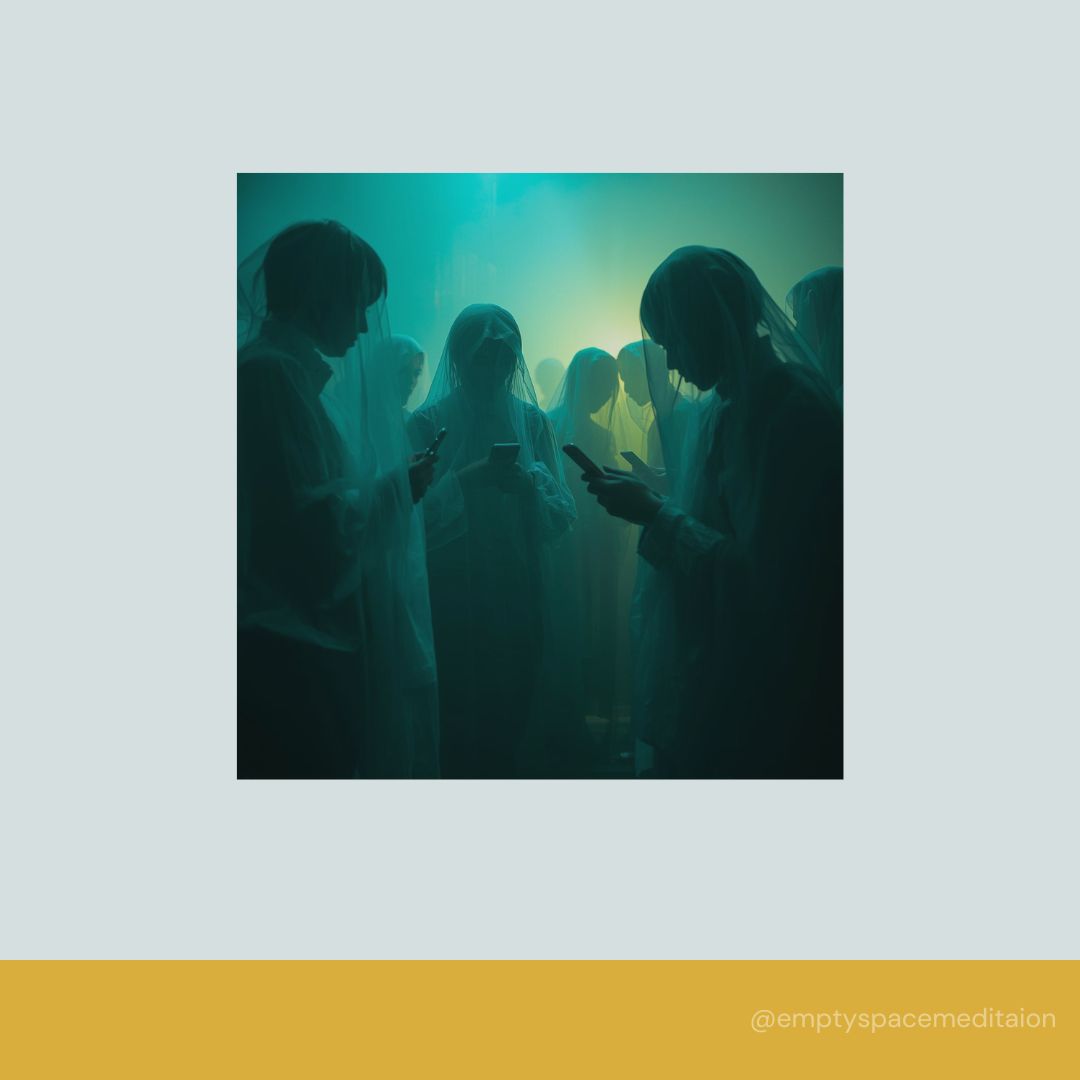
Derek Thompson at The Atlantic put it precisely: “Smartphones make our alone time feel more crowded than it used to be, at the same time that our smartphones make crowds feel more lonely than they used to be.” That’s not a side effect. That’s the mechanism. Isolated but stimulated. Surrounded but unseen. Perfectly engineered for maximum engagement, minimum satisfaction.
What this does to your brain matters. Neuroscientist Rick Hanson, whose work on neuroplasticity I keep returning to, is clear: the brain changes with what you practice. Every hour spent in reactive, fragmented, dopamine-driven scrolling is training your attention toward shorter cycles and higher stimulation thresholds. You’re literally practicing being unable to focus. And practice, as every meditation teacher will tell you, works.
Amishi Jha at the University of Miami has spent years researching attention in high-stress populations — military, first responders, emergency workers. Her finding: consistent mindfulness practice measurably protects attentional capacity under pressure. Not as a vague wellness benefit — as a quantifiable cognitive defense against exactly what the attention economy is doing to all of us.
I think about this in terms I understand from the Navy. Information warfare is real. Psychological operations are real. The goal is to overwhelm the target’s ability to reason clearly, to make them reactive instead of deliberate, to exploit emotional vulnerabilities. The social media business model is running a version of that on its own users, every day, for profit. You don’t have to call it that to feel it.
The antidote I keep coming back to is also the simplest: five minutes of actual stillness. No input. No scrolling. No podcast in the background. Just you and whatever is actually happening in your body and mind right now. It’s boring in a way that feels almost unbearable at first, because your attention has been trained to expect constant stimulation. That discomfort is information. It’s telling you how thoroughly your capacity for presence has been compromised — and that you can get it back.
The algorithm feeds you poison and calls it connection. The sacred pause is the antidote, and it starts with just being willing to be bored for five minutes.