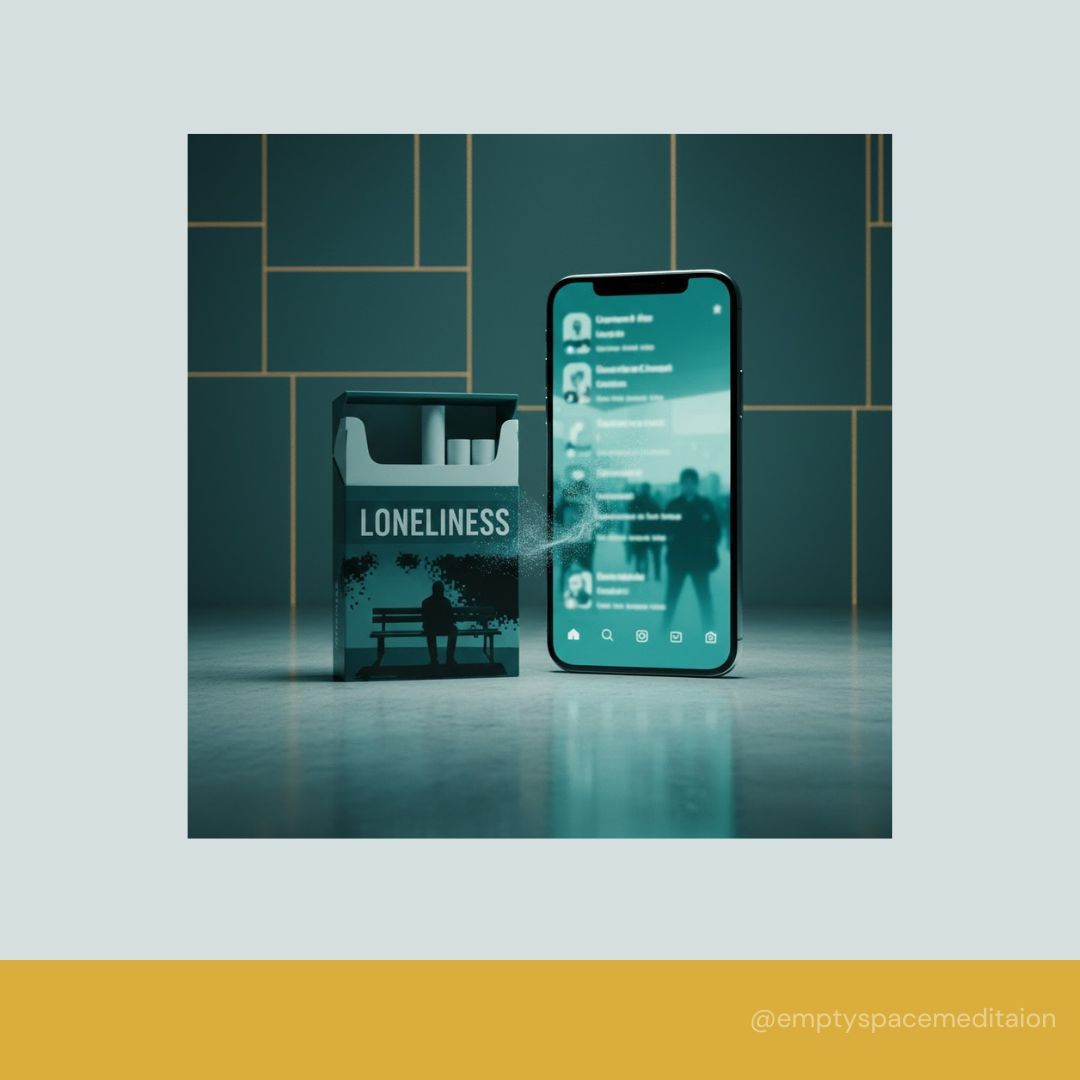
Not perfect men. Not men without history or failure or things they’d do differently. Not men who have transcended their anger or their grief or their capacity for selfishness. Just men who are present. Men who can feel what’s happening without immediately reaching for a screen or a bottle or a target. Men who can be with another person — really with them — without managing the interaction from behind a wall.
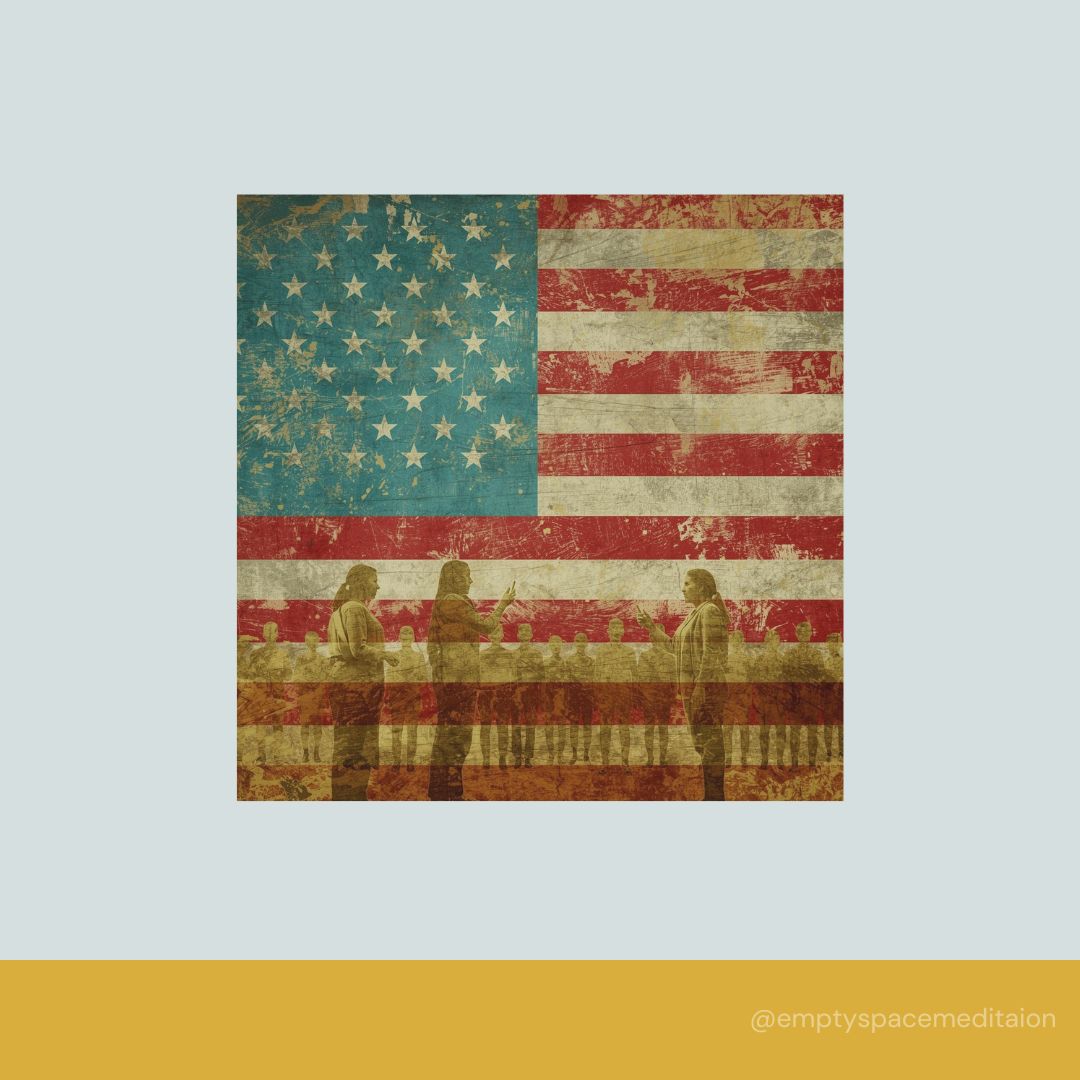
That’s what this country needs from men right now. And it’s genuinely available, which is the part that doesn’t get said enough.
Richard Reeves, in Of Boys and Men, makes a careful argument that the struggles facing men and boys in America are real, documentable, and worth taking seriously — not because men need special protection, but because a society where half the population is struggling is a society that doesn’t work. His research was funded in part by Melinda French Gates, who explicitly frames helping men as a feminist issue — because the men who are struggling most are also the ones most likely to be failing as fathers, partners, and community members.
The Dalai Lama has spent decades in dialogue with scientists about what actually produces human flourishing. The Mind and Life Institute — which he co-founded — has consistently found that the practices which build wellbeing are not mysterious or inaccessible. Attention training. Compassion practice. The cultivation of what contemplative traditions call presence. These things work. The research is consistent. The barrier is not capability — it’s cultural permission.
We have built a cultural story about men that makes presence seem weak and reactivity seem strong. The man who acts without thinking is celebrated. The man who pauses is suspected of hesitation. The man who sits with his own discomfort instead of acting on it is invisible — or worse, is told he needs to toughen up.
I spent most of my adult life trying to be the first kind of man. What I eventually found — on a meditation cushion, in my forties, with a history I’m not proud of — is that the second kind is actually harder. And considerably more useful to the people around me.
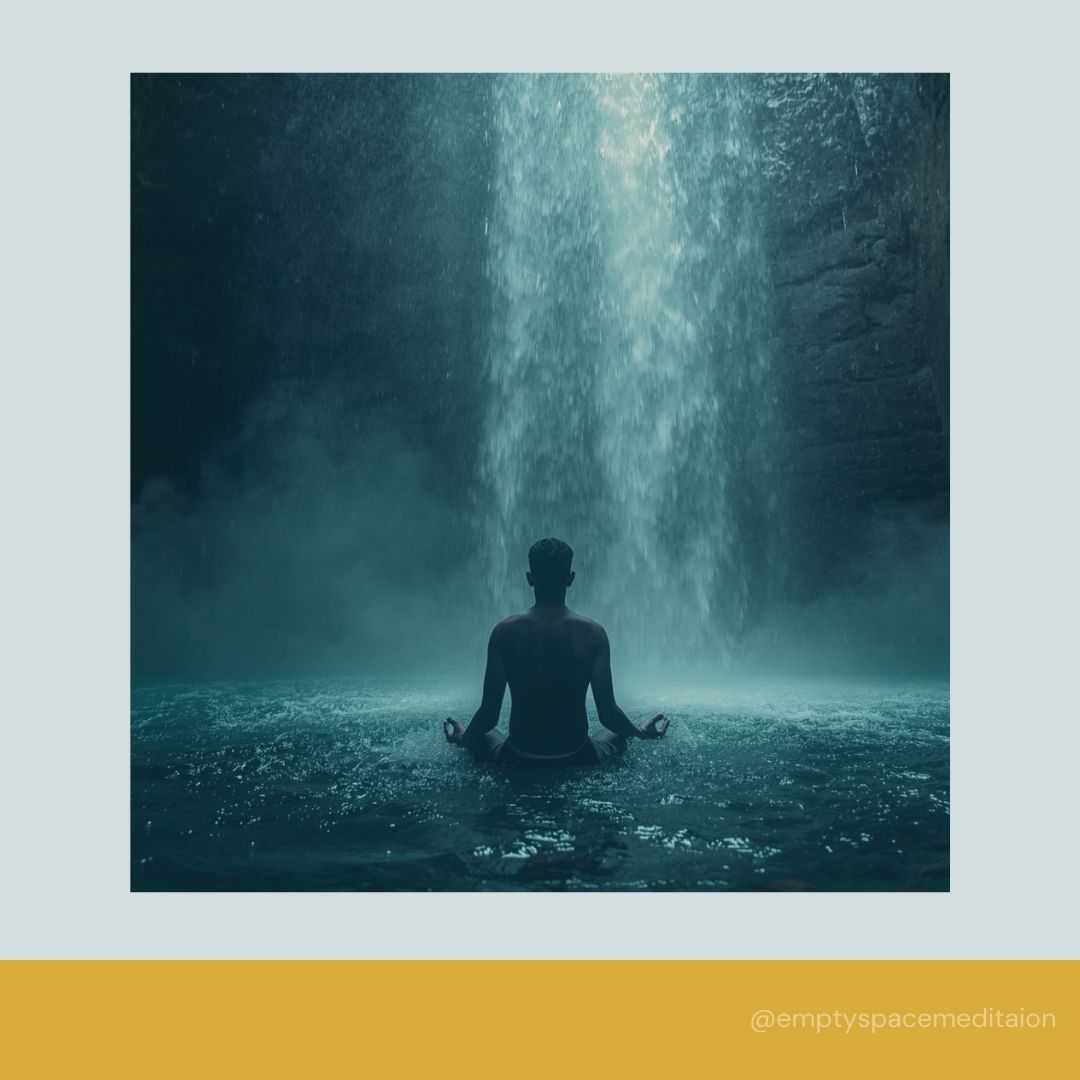
Put down the phone. Sit still. Feel what’s actually there. That’s the whole instruction. The rest follows.