Dan Harris writes: “The brain is a pleasure-seeking machine. Once you teach it, through meditation, that abiding calmly in the present moment feels better than our habitual state of clinging, over time, the brain will want more and more mindfulness.”
This reframed everything for me about the practice. I had been thinking about meditation as discipline — something you forced yourself to do through willpower, like exercise, even when you didn’t feel like it. That framing wasn’t wrong, exactly. Consistency does require showing up when you don’t feel like it. But it was missing something.
You’re not fighting your brain. You’re teaching it.
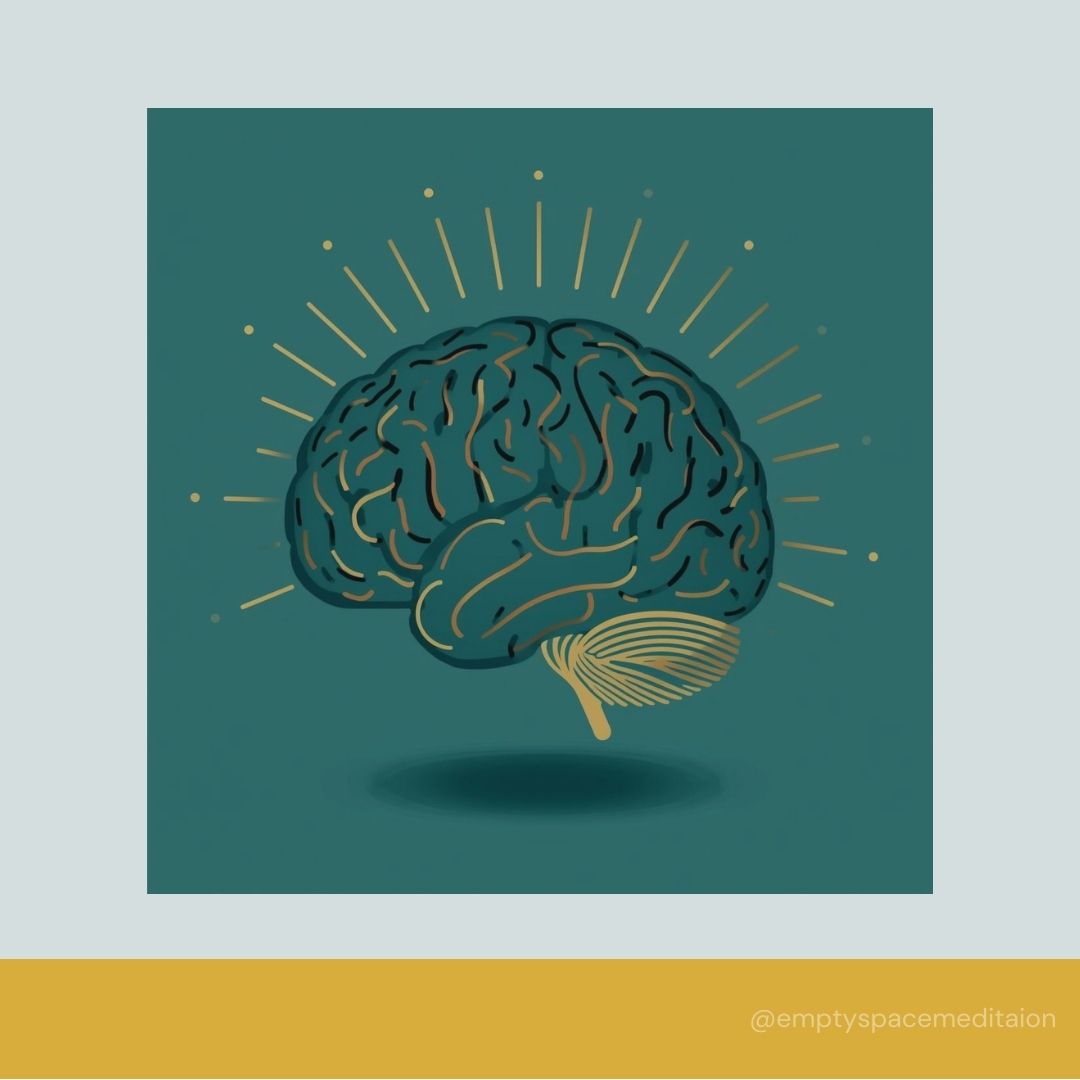
Rick Hanson, a neuropsychologist at UC Berkeley’s Greater Good Science Center, writes extensively about neuroplasticity — the brain’s capacity to rewire itself based on repeated experience. The specific mechanism is called Hebbian learning: neurons that fire together, wire together. What you practice consistently becomes more deeply grooved, more automatic, more the default. This applies to anxiety patterns, rumination habits, self-critical loops — and it applies equally to presence, equanimity, the capacity to return to breath.
Amishi Jha at the University of Miami has studied this in populations that can’t afford vague wellness benefits — military personnel under combat stress, first responders, emergency workers. Her findings are specific: regular mindfulness practice measurably protects attentional capacity under high-pressure conditions. Not as a side effect of feeling calmer. As a direct, trainable cognitive skill.
What I’ve noticed in my own practice — over years rather than weeks — is that Harris’s observation becomes experientially true. Early in the practice, sitting felt like fighting. The mind wanted to be anywhere else, and being present with it was an act of will. Later, something shifted. Not that sitting became easy — it still isn’t always. But the brain started to recognize the state it moved into with practice as preferable to the baseline anxious spin. It started cooperating rather than resisting.
The addiction piece of my history is relevant here: my disease was trying to get the brain to feel better through chemical means. Meditation is the legitimate version of the same impulse. Feed the brain something that actually works, and it learns to want that instead.
It gets better. That’s not wishful thinking. That’s how the biology works.