16 Essays — Posts 121–136
The Norman Rockwell Series
What does an American painter from another century have to say about mindfulness, presence, and what we owe each other? A lot, it turns out.
Norman Rockwell spent decades painting ordinary American life with an attention so precise it became something else entirely: a record of what people look like when they’re actually present with each other. Before smartphones, before algorithmic distraction, before the loneliness epidemic — people sat at the same table, looked each other in the eye, showed up.
These 16 essays look at Rockwell’s paintings through a meditation lens. Not nostalgia for a past that wasn’t always what it looked like in the paintings — but genuine attention to what he captured about presence, community, identity, and the ordinary sacred moments we keep rushing past.
 1960
1960
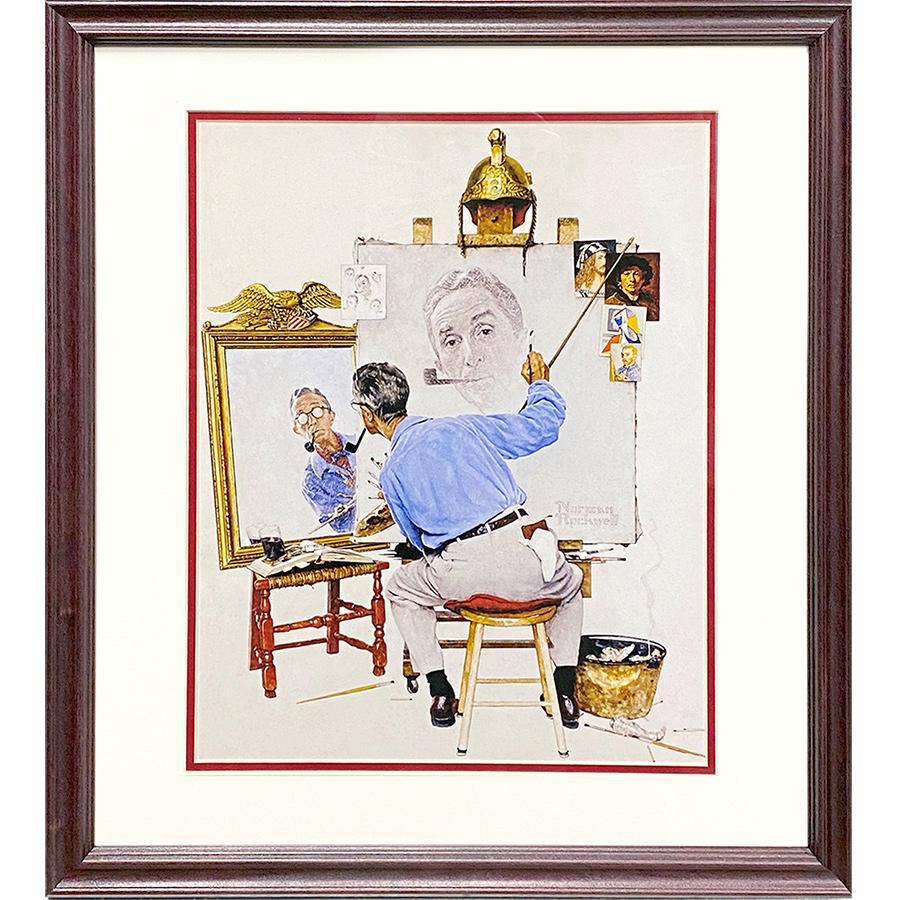
Norman Rockwell: The Mindful Eye That Painted America
I've been thinking about Norman Rockwell lately. Not nostalgically — not in the way people reach for comfort. More in the way you'd pay attention to someone who was doing something you hadn't quite noticed.
Read Essay →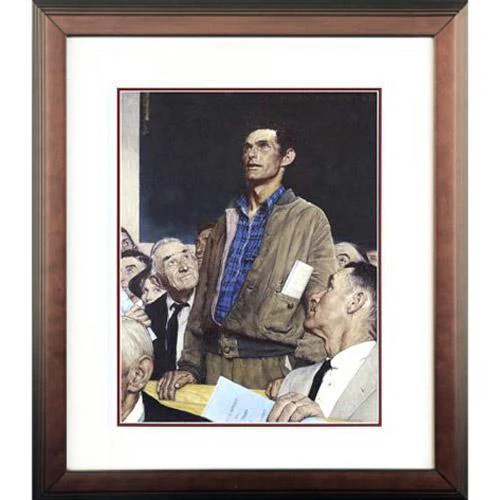 1943
1943
The Four Freedoms: When Art Became a National Meditation
Franklin Roosevelt gave a speech in January 1941 about four essential human freedoms. Rockwell painted them two years later — not as government propaganda but as ordinary Americans.
Read Essay →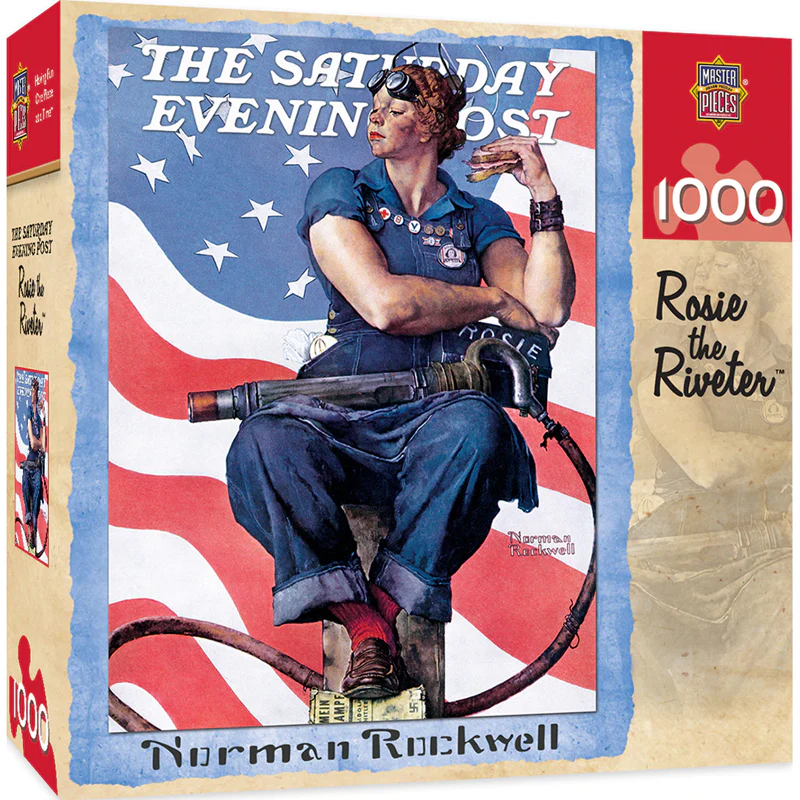 1943
1943
Rosie the Riveter: The Power of Showing Up
Her name was Mary Doyle Keefe. She was 19, a telephone operator in Arlington, Vermont. Rockwell asked her to pose for a Saturday Evening Post cover about women entering the workforce.
Read Essay →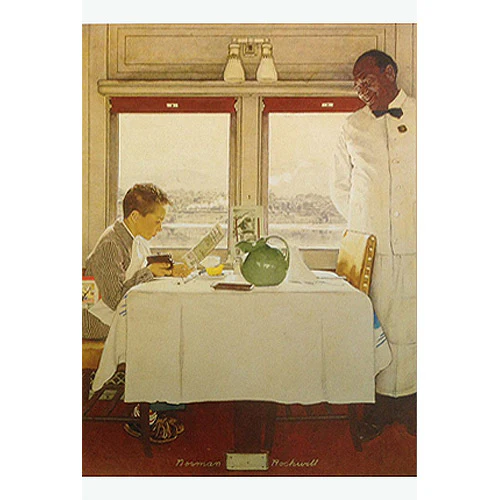 1946
1946
The Art of Witnessing: What Rockwell Saw in Everyday America
A young boy alone in a dining car looks out the window while a waiter and conductor attend to him with gentle, unhurried attention. Rockwell painted the act of witnessing — truly seeing another person.
Read Essay →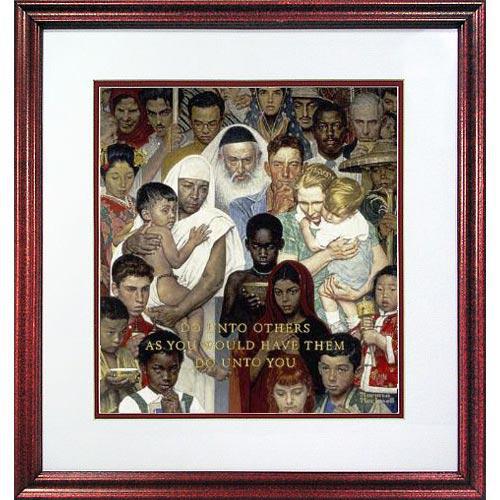 1961
1961
Golden Rule: Every Face a Prayer
Before Rockwell broke with the Saturday Evening Post, he tested the waters with a painting of faces from every faith, every background, arranged together — Do unto others as you would have them do unto you.
Read Essay →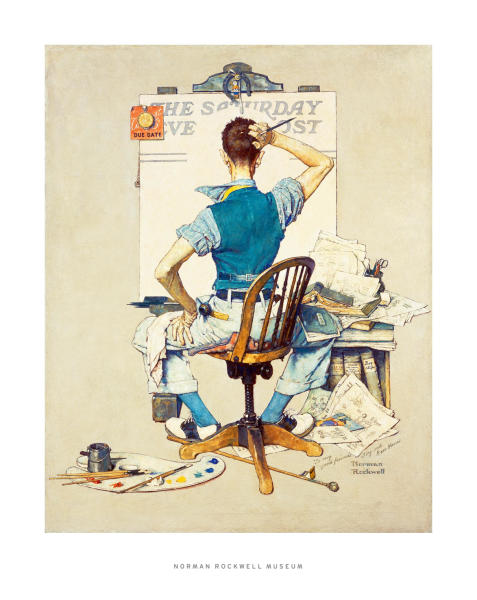 1963
1963
When Rockwell Walked Away: Integrity at 70
Norman Rockwell worked for the Saturday Evening Post for 47 years. Then he left. At 70, he walked away from the most successful creative partnership of his life to paint what actually mattered to him.
Read Essay →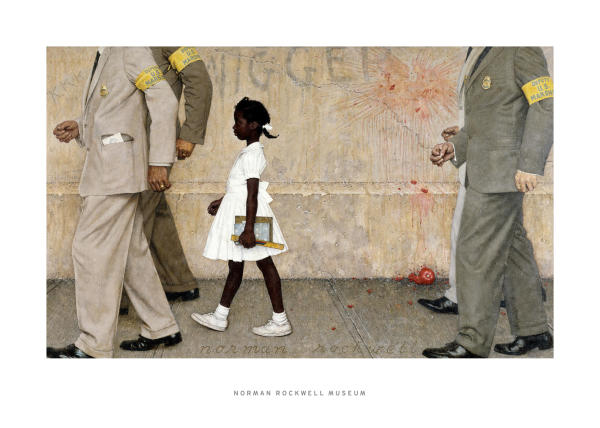 1964
1964
The Problem We All Live With: Six Years Old and Braver Than Anyone
Her name was Ruby Bridges. She was six years old. On November 14, 1960, she became the first Black child to attend William Frantz Elementary School in New Orleans. Rockwell painted it.
Read Essay →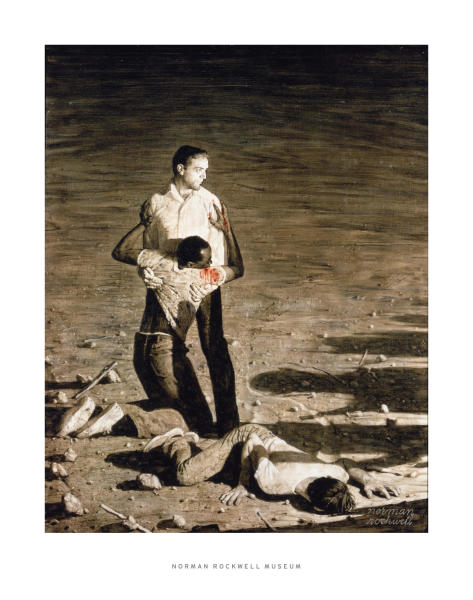 1965
1965
Southern Justice: The Painting Too Stark to Publish as Finished
On June 21, 1964, three young civil rights workers disappeared in Mississippi. Rockwell painted what happened. The painting was stark, clear, and honest in a way that made some people deeply uncomfortable.
Read Essay →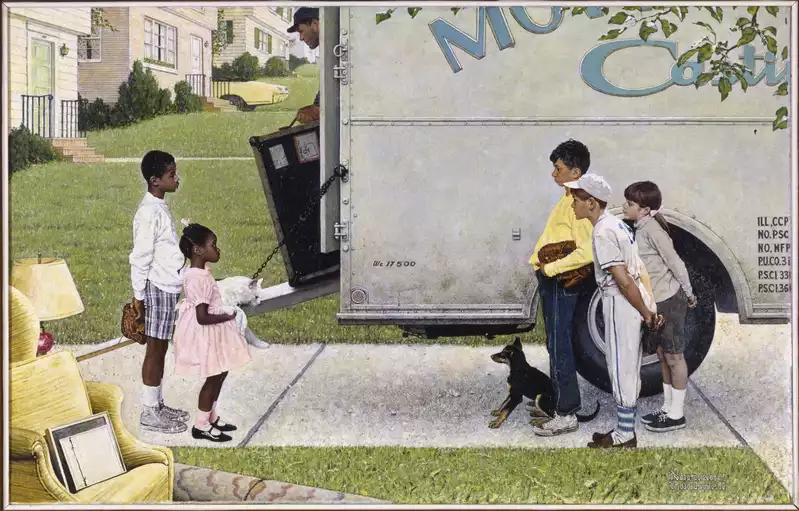 1967
1967
New Kids in the Neighborhood: Hope in Two Groups of Children
After the intensity of Ruby Bridges and the Mississippi murders, Rockwell painted something quieter: two groups of children facing each other across a yard, nothing decided yet. The moment before.
Read Essay →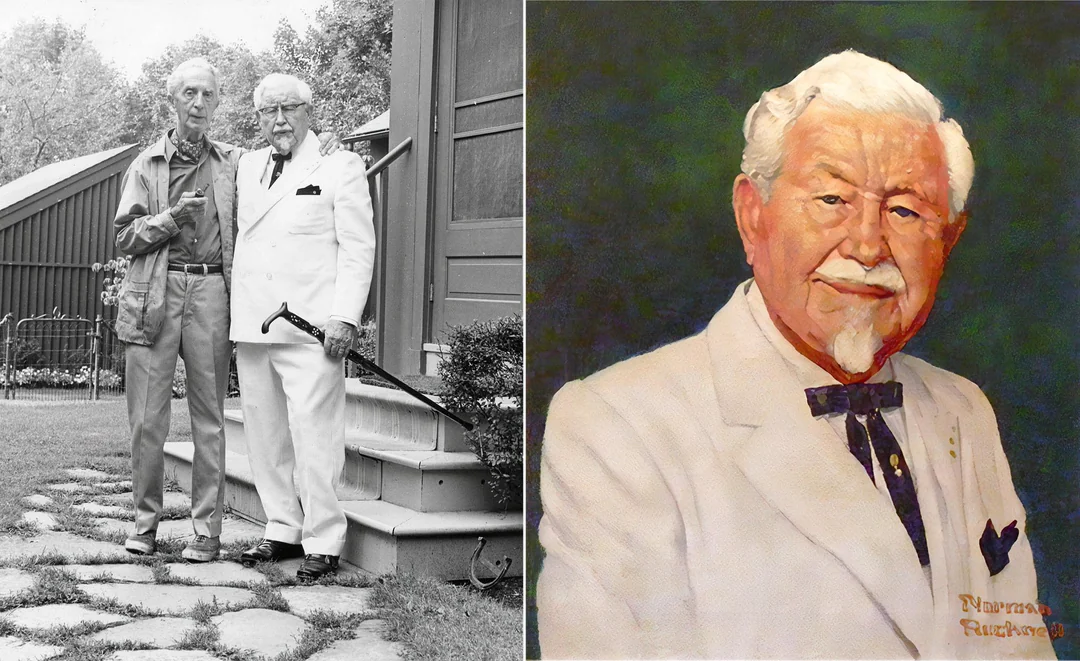 1973
1973
One of His Last Portraits: Colonel Sanders and the Late Bloom
One of Norman Rockwell's last portraits was of Colonel Harland Sanders. Two men near the end of their lives — both of whom had found their defining work late. What that looks like when you're paying attention.
Read Essay →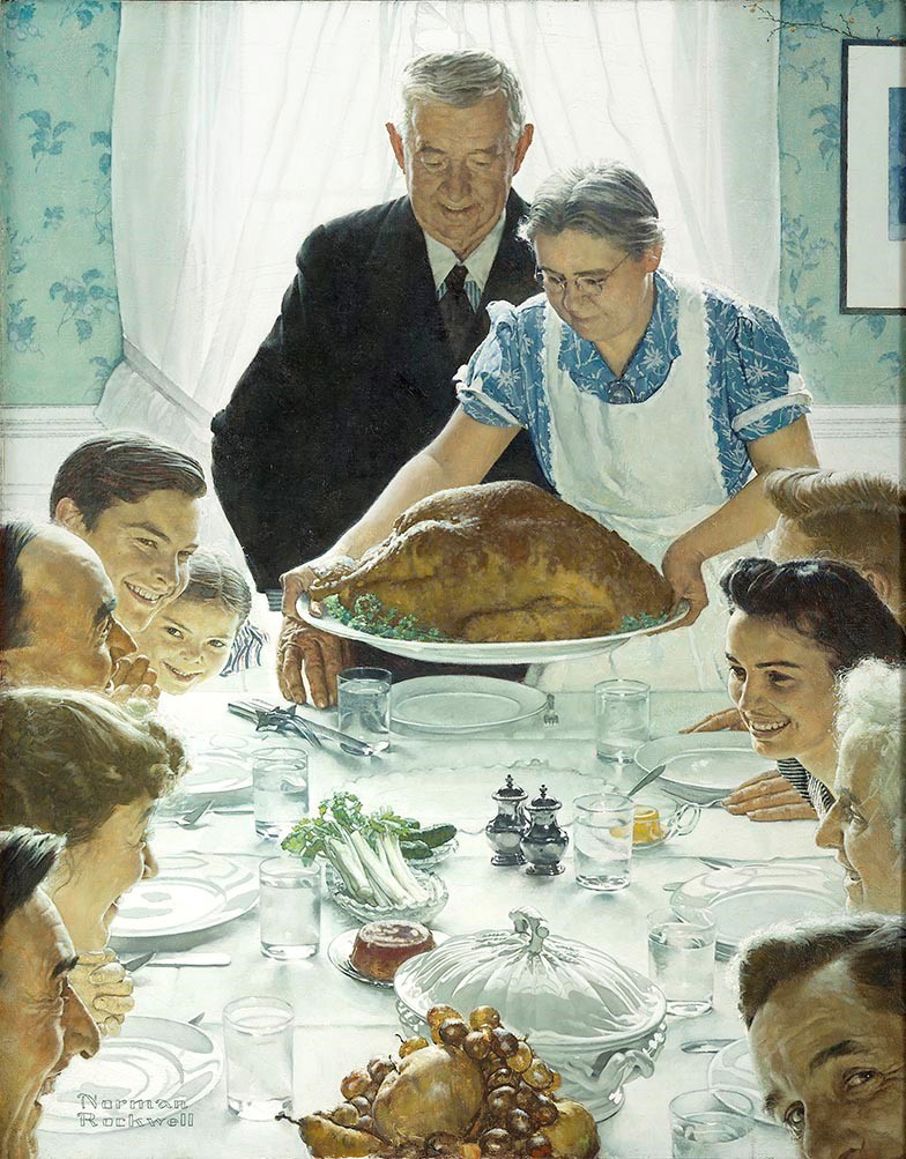 1974
1974
When They Came for His Art: The Fight to Protect Rockwell's Legacy
In 2025, Homeland Security launched campaigns featuring Rockwell's paintings without permission. What happens when what someone made with their life becomes a commodity — and what protecting it means.
Read Essay →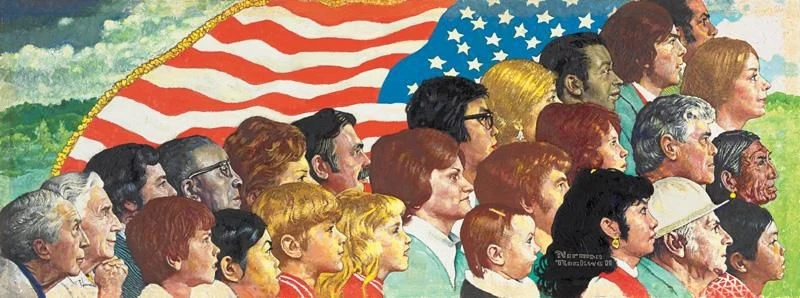 1969
1969
Spirit of America: The Painting That Still Hangs Above a Cape
In 1974, Norman Rockwell was 80 years old. Some images outlast their moments. Spirit of America still hangs above a Cape. What a painting that holds community together across generations says about presence.
Read Essay →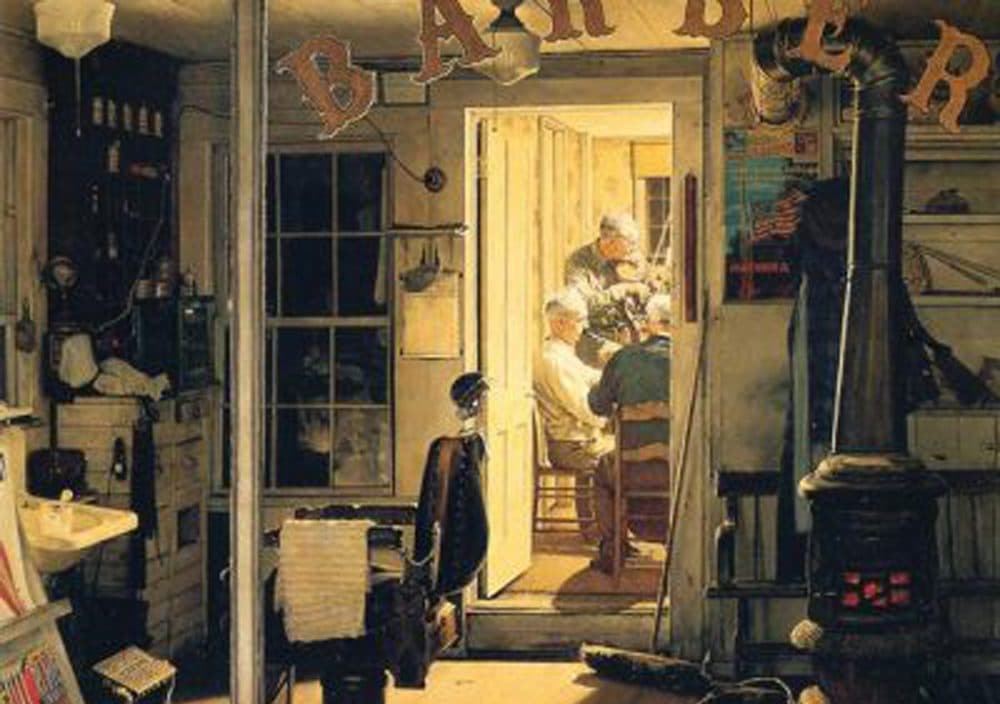 1950
1950
The Meticulous Mind: What Rockwell's Perfectionism Teaches About Practice
Norman Rockwell was a perfectionist. He repainted canvases dozens of times. Could not let go. What his perfectionism — and Shuffleton's Barbershop — teaches about devoted practice versus striving.
Read Essay →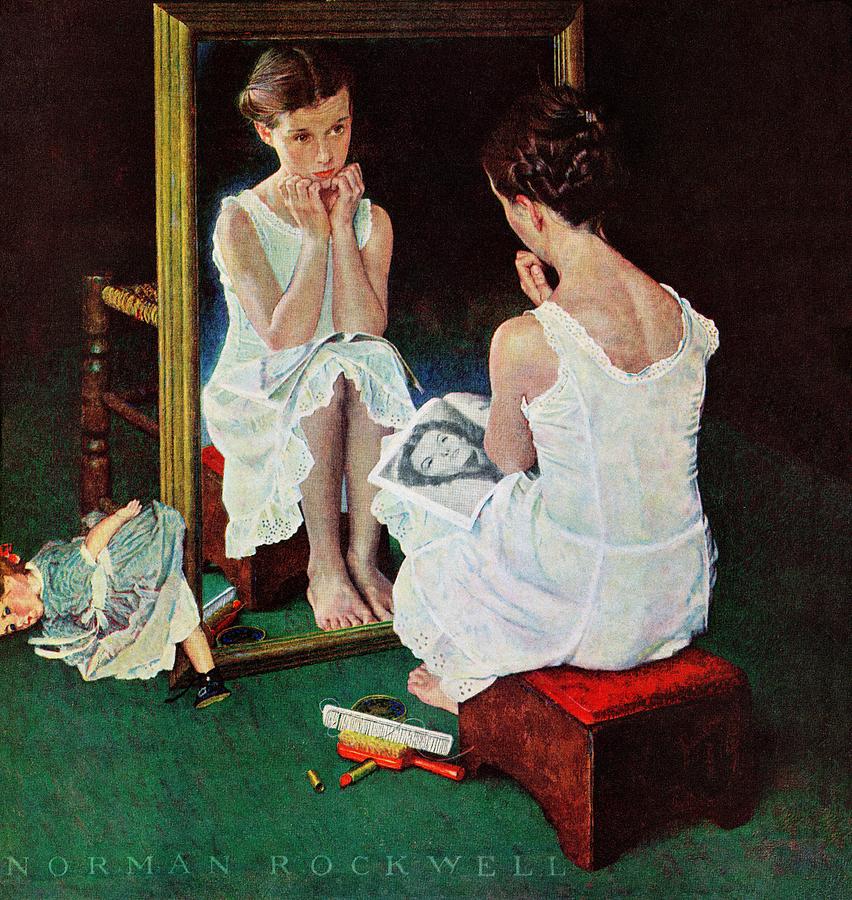 1954
1954
Girl at Mirror: The Moment Before We Become Who Others Want
A girl sits before a mirror holding a magazine photo of a movie star. Rockwell painted the precise moment before we trade our authentic self for the version someone else expects.
Read Essay →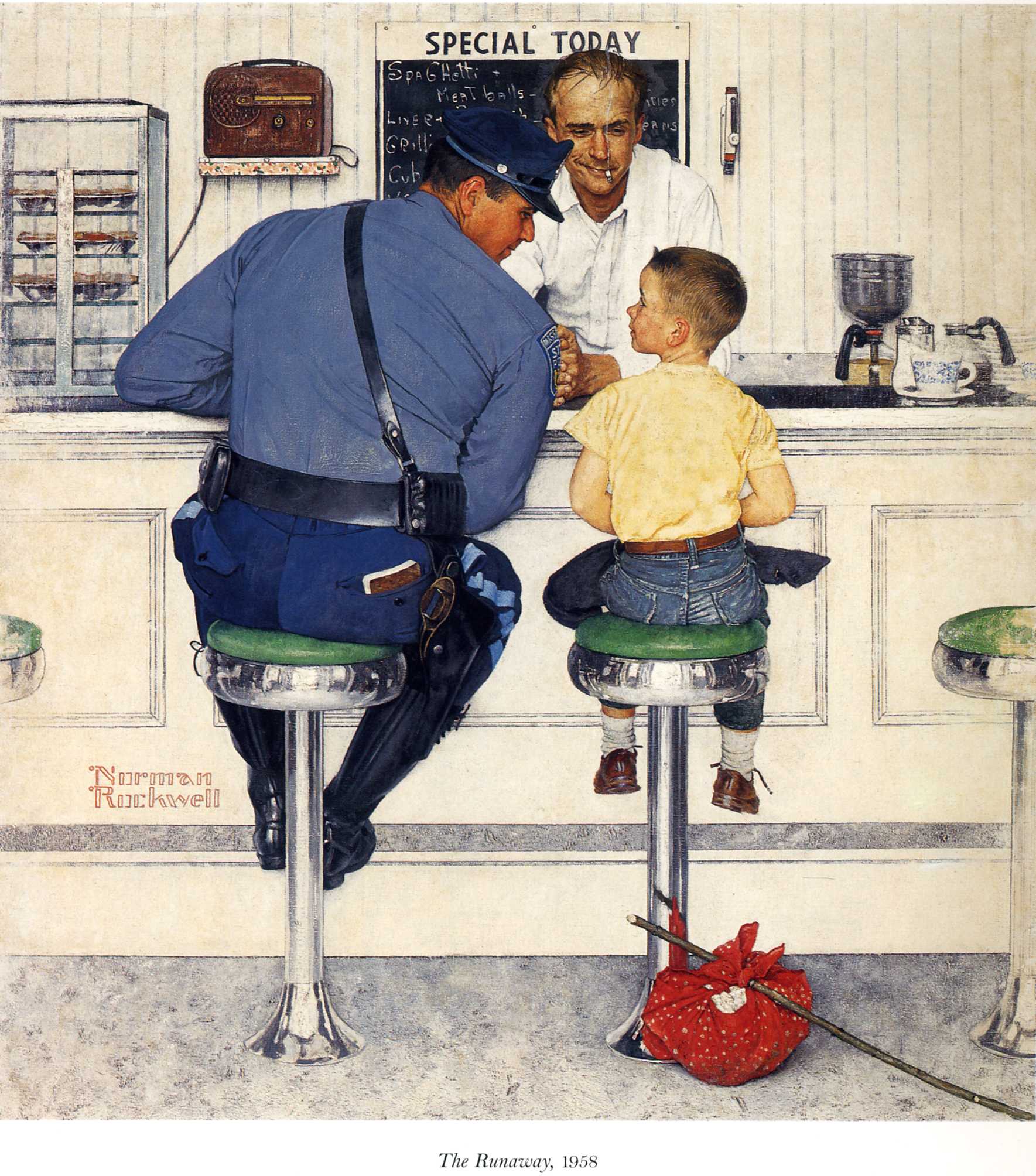 1958
1958
The Runaway: A Cop, A Kid, and the Practice of Presence
A police officer and a runaway boy sit at a diner counter. Nobody is arresting anyone. Rockwell painted a moment of genuine presence — what it looks like when an adult actually sees a child.
Read Essay →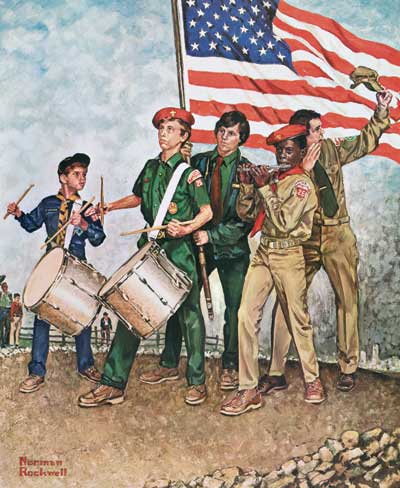 1976
1976
The Spirit of 1976: His Final Commission and the 50th Anniversary
Rockwell's last commission — three figures, a drum, a fife, a flag. The Spirit of '76 reimagined for the bicentennial. What finishing with full presence looks like when it's the last thing you make.
Read Essay →